The Importance of Metal Testing in Machinery Manufacturing
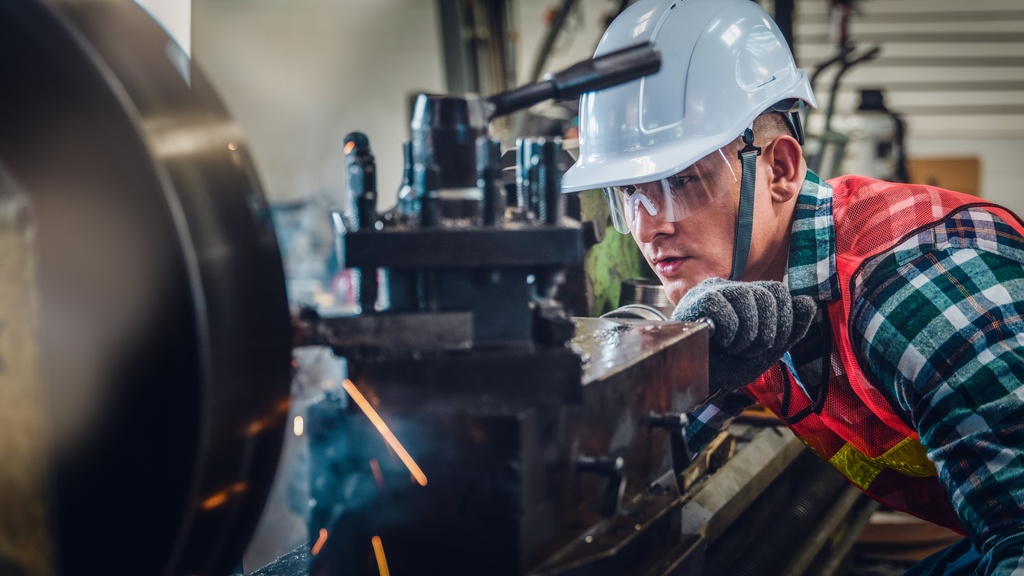
Metal testing plays a fundamental role in the manufacturing of industrial machinery. It provides necessary insights into the components’ durability, safety, and ability to handle demanding applications. A lack of proper testing could compromise machinery performance and lead to unsafe operating conditions.
Material Integrity
Metal testing is important because it verifies material integrity before manufacturing machinery. Methods like tensile testing, hardness testing, and fatigue analysis determine whether a metal can handle the mechanical stresses it will face. For example, a tensile test can reveal how much force a metal can withstand before breaking so that components such as beams and shafts won’t fail under load. This attention maximizes the lifespan of your industrial equipment and reduces potential costly replacements.
Preventing Failures
Metals in heavy machinery often face extreme conditions, such as high temperatures, corrosive environments, and heavy loads. Testing metals for properties like corrosion resistance and thermal stability confirms that the materials will withstand challenges. Factors such as poor strength or low heat resistance could lead to catastrophic failures of machinery components. For example, neglecting corrosion resistance testing for alloys used in marine engines could result in faster degradation.
Compatibility With Design Requirements
Not all metals are the same. Each type has unique properties tailored to specific applications. By performing proper testing, manufacturers can determine which commonly used metals in heavy machinery will align with design necessities. For instance, stainless steel is often selected for corrosion resistance, while high-carbon steel is ideal for high-strength tools. Compatibility between material properties and design enables each component to function as intended.
Compliance With Standards
Compliance with regulatory standards is another critical reason for metal testing. Aerospace, automotive, and construction require parts and machinery to meet strict quality and safety standards. Advanced methods like ultrasonic testing or spectrometry confirm that metals adhere to these guidelines. This reduces the risk of liability while protecting everyone who operates them.
Focus on Results
Testing metal in machinery manufacturing is important in various industries. Thoughtful testing maximizes efficiency and reduces long-term costs. Everything from improving material integrity to preventing failures contributes to safe machine operation.