Should You DIY Your Trailer Truck Repair?
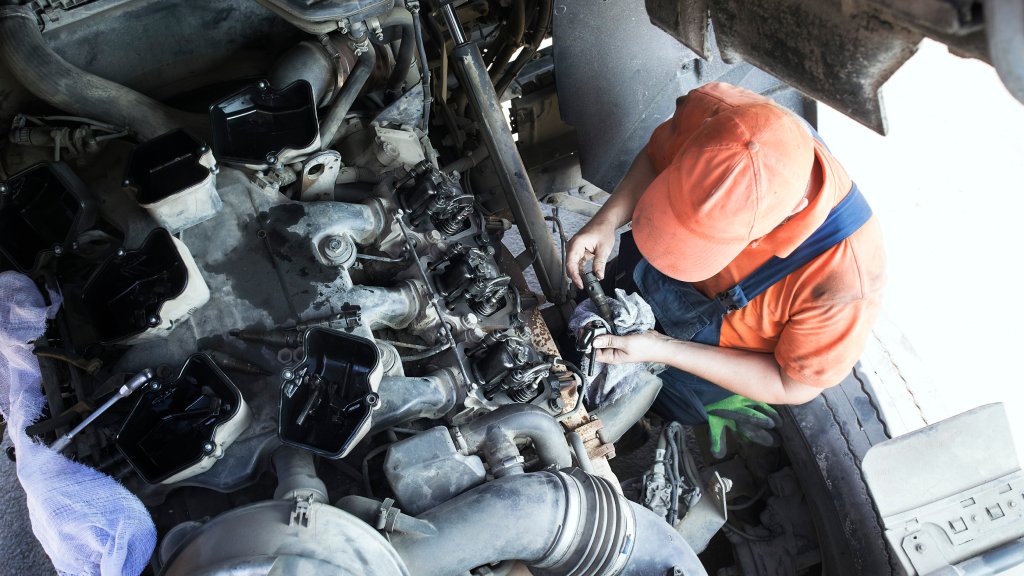
When your trailer truck drives headfirst into an issue, deciding whether to tackle the repair yourself or call in a professional can be a tough call. While DIY repairs might save money and provide a sense of accomplishment, they come with potential risks if you’re not fully prepared or equipped.
On the other hand, professional repairs can offer expertise and efficiency but may come with a higher price tag. This guide will help you weigh the pros and cons, providing insights into whether you should DIY your trailer truck repair and when it’s best to turn to a trusted professional.
Pros of DIY Trailer Truck Repairs
Cost Savings
One of the biggest advantages of DIY trailer truck repairs is the potential to save money, particularly on labor costs. Professional repair shops often charge high hourly rates, which can significantly increase the overall expense of any repair project. By handling repairs yourself, you can eliminate those labor fees entirely, leaving you to pay only for the necessary parts or tools.
For example, a simple task like replacing a broken taillight can be much cheaper when tackled on your own. Purchasing a replacement taillight and installing it with basic tools can cost a fraction of what a professional shop would charge. Similarly, routine maintenance tasks, such as changing the oil or replacing air filters, can also be accomplished at home with minimal costs compared to a full-service repair shop.
Convenience
When it comes to convenience, DIY repairs give you the ability to act quickly. Instead of waiting for an available appointment at a repair shop, you can address the issue as soon as you notice it. This immediate action can prevent further damage to your trailer truck, ultimately saving you time and money in the long run.
For example, imagine discovering a loose bolt on your truck’s hitch. Instead of delaying your work or travel plans to visit a mechanic, you can grab a wrench and tighten it on the spot. This freedom to handle repairs as they arise is particularly beneficial for truck owners who value their time and want to keep their vehicle in top condition without unnecessary delays.
Cons of DIY Trailer Truck Repairs
Lack of Expertise
One of the most significant challenges of DIY repairs is the lack of professional expertise. Without proper training or experience, there’s a risk that repairs may be done incorrectly, potentially leading to further damage. For instance, mistakes in critical areas such as brake systems or axles can have serious consequences.
Misaligning brake components, for example, could cause uneven wear or even complete brake failure, jeopardizing your safety. Similarly, improper axle alignment might result in additional strain on your vehicle, leading to premature wear and costly repairs down the line. While online tutorials and manuals can help, they cannot fully replicate the knowledge of a seasoned mechanic and the array of parts a proper shop has.
Safety Concerns
Safety is another major issue when tackling DIY repairs. Some tasks, such as changing a tire or handling electrical components, can be hazardous if not done properly. For instance, using improper techniques during a tire change can lead to the vehicle slipping off the jack, putting you at risk of injury.
Similarly, attempting electrical work without the proper know-how may result in short circuits or, worse, electrical fires. Additionally, working with heavy equipment and tools without adequate training can pose severe risks. Handling these challenges requires careful attention, appropriate tools, and an understanding of safety protocols that should not be overlooked.
Time Consumption
While DIY repairs may seem quicker or more convenient at first glance, complex jobs can end up consuming far more time than anticipated. For instance, diagnosing an issue with the vehicle’s transmission or electrical system can be a drawn-out process, especially for those unfamiliar with the mechanics involved.
What a professional mechanic might complete in a few hours could take an entire weekend or more for an inexperienced truck owner. This extra time can delay your travel or work schedule and may not be worth the hassle in the long run, particularly when dealing with intricate issues.
Factors To Consider Before Attempting DIY Repairs
Assessing Your Skill Level
Being honest about your abilities and limitations is crucial when deciding whether to take on a DIY repair. Overestimating your skills can lead to bigger problems down the road, potentially causing more harm to your truck and costing you additional money to fix any mistakes. Evaluate whether you have previous experience or knowledge related to the task at hand, and don’t hesitate to seek advice or consult repair manuals if you’re unsure.
Availability of Tools and Equipment
Many larger or more intricate repairs require tools that the average truck owner might not have on hand. Investing in these tools can become expensive, particularly if they’re only useful for a single repair.
For instance, a quality torque wrench or power tools may be necessary, and the cost of purchasing these items can quickly add up. Weigh the one-time purchase cost of tools against the expense of hiring a professional who already has the required equipment.
Certain repairs, like suspension adjustments or alignment fixes, often require specialty equipment that’s not practical for a DIY enthusiast to invest in. Alignment racks or high-precision sensors, for example, are found in professional repair shops and are cost-prohibitive and complex for individuals to purchase and use. For such cases, it might be cheaper and safer to trust the professionals.
Complexity of the Repair
When deciding whether you should DIY your trailer truck repair, one of the most important things to consider is the complexity of the job at hand. Some common tasks, such as topping off fluids, replacing wiper blades, or changing air filters, are generally straightforward and suitable for beginners.
On the other hand, intricate tasks like dealing with transmission mechanics or electrical wiring systems require expertise, as they involve significant risk if done incorrectly. Missteps in advanced repairs can result in substantial safety hazards or financial setbacks. Attempting complex repairs without proper training or resources can also negatively impact performance or seriously compromise vehicle safety.
When To Seek Professional Help
Extensive or Specialized Repairs
Truck repairs that involve complex systems or specialized knowledge require expertise that goes beyond typical DIY skills. For example, tackling engine diagnostics or addressing structural damage can involve intricate processes that demand professional training.
Certified technicians are equipped with the experience required to identify issues quickly and accurately, preventing potential misdiagnoses. Additionally, professionals use advanced, professional-grade tools that are unavailable or impractical for personal use.
Time-Sensitive Repairs
When your truck is needed for work or personal use, time-sensitive repairs may not leave room for trial-and-error fixes. An urgent issue, such as a suspension defect, can render your vehicle inoperable and lead to significant downtime, affecting schedules or business operations. Professional repair shops are often staffed and equipped to handle such emergencies quickly and efficiently, minimizing downtime and getting you back on the road without unnecessary delays.
There’s no shame in seeking expert help—it can save you time, prevent costly mistakes, and ensure your truck stays roadworthy. The key is knowing your limits and prioritizing safety above all.