Can’t Meditate? Use These Tips To Ground Yourself
Meditation can feel like an impossible mountain to climb when your mind refuses to quiet down. Many people want to enjoy the relaxation and focus it promises but find themselves frustrated the moment they try. If this resonates with you, you’re not alone. Sometimes, meditation doesn’t feel like it’s “working” because the body and mind aren’t ready to settle down yet. The good news is that there are simple, effective ways to ground yourself so that you can meditate and reap its benefits.
Below, we’ll explore practical techniques to help you find your footing, connect with the present, and finally make meditation feel more accessible.
Understand the Power of Your Environment
Your surroundings play a big role in how quickly your mind relaxes. Think about the spaces where you feel most calm. Chances are, those places aren’t cluttered or noisy.
Create a Calming Atmosphere
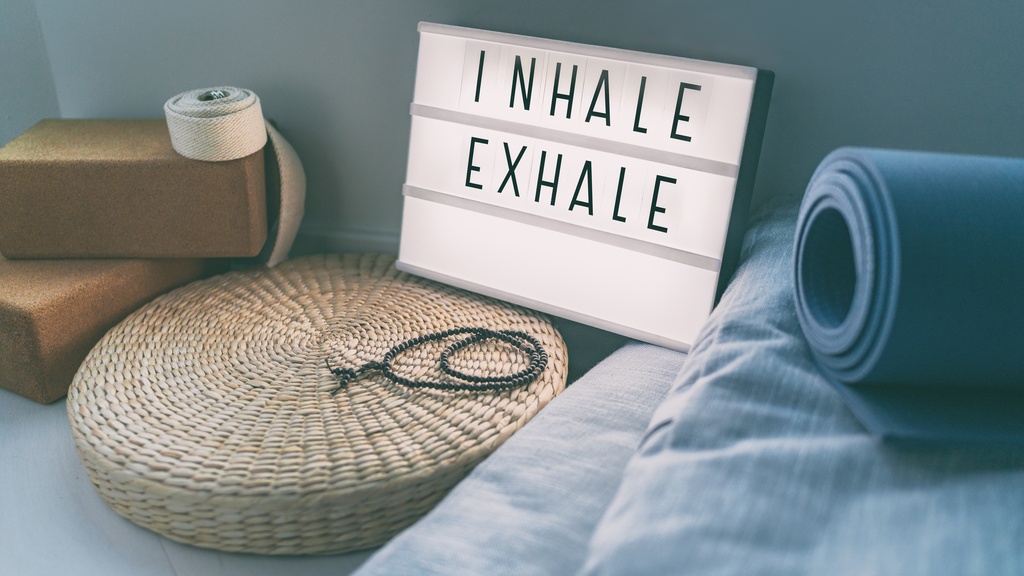
Your meditation space should invite relaxation. That doesn’t mean you need access to a fancy studio or picturesque setting. A quiet corner of your home will do if you take a few intentional steps. Dim lighting, a comfortable seat, and soothing scents like lavender or sandalwood can help set the tone. Decluttering your space before sitting down to meditate can also clear some of the mental clutter that distracts you.
Even wearing certain jewelry can support your meditation. The act of putting on certain attire or accessories can help you tell your brain that it’s time to stop thinking about other activities. Try to build a routine around meditation, much in the same way you might before bed.
Connect With Nature
Nature has a grounding effect on the mind and body. If you’re struggling to meditate indoors, consider taking your practice outside. The feeling of grass under your feet or the sound of wind in the trees can help anchor you in the present. Spending 5 minutes observing the natural world around you before meditating might help your mind transition more smoothly.
Engage Your Senses
Struggling to keep your thoughts from running in circles? Focusing on your senses can help pull you out of your head and into the moment.
Use Aromatherapy
Certain scents are known for their ability to soothe the nervous system. Essential oils like lavender, chamomile, or frankincense might help calm your racing thoughts. A diffuser or even a few drops placed on your wrists or neck can make a big difference. The act of breathing in a calming fragrance doubles as a mindfulness exercise, gently grounding you in the here and now.
Try a Grounding Object
Having a tangible object to focus on is another way to engage your senses. Something simple like a smooth stone, a textured blanket, or a cup of warm tea will work. Feel the texture, notice the temperature, and pay attention to how holding it affects your body. This tactile focus helps redirect attention away from distracting thoughts, making it easier to settle into meditation.
Move Before You Sit
Sitting still can feel impossible if your body is buzzing with restlessness. Instead of forcing yourself to sit immediately, consider incorporating movement into your pre-meditation routine.
Gentle Stretches
Stretching helps release tension you might not even realize you’re holding. Simple movements like rolling your shoulders, stretching your neck, or doing a few cat-cow poses can prepare your body to sit more comfortably. Focus on how each stretch feels—that awareness is already a step toward mindfulness.
Yoga for Centering
If gentle stretching isn’t cutting it, try 5 to 10 minutes of yoga. Flows like sun salutations or poses like child’s pose and downward dog create a rhythm that lets you tune in to your breath and body. Moving first can quiet your restlessness, making stillness feel more inviting.
Incorporate Rituals Into Your Practice
Rituals give your brain cues about what’s coming next. They signal transition, helping your mind switch gears from the chaos of daily life to the calm of meditation.
Breathwork as a Reset
Intentional breathing is one of the simplest rituals to adopt. Start by inhaling deeply for four counts, holding for four counts, and exhaling for eight counts. Repeat this a few times before you meditate. This kind of breathing slows your heart rate and eases that wired feeling that makes sitting still so challenging.
Writing To Clear the Clutter
If your thoughts are spinning, consider journaling for a few minutes before meditating. Dump every worry, task, or random idea onto paper. This act of release frees up mental space, making it less likely for those thoughts to hijack your meditation session.
Lean Into Tools and Techniques
Meditation doesn’t have to happen in complete silence or even without help. There are tools and techniques that can make the process easier and more effective.
Guided Meditations
If silence feels unbearable, guided meditations can provide structure and focus. Apps like Calm or Insight Timer offer short, beginner-friendly sessions where an instructor walks you through the process step by step. These can help take the pressure off, letting you simply follow along instead of “figuring it out.”
Music or Sounds
Ambient sounds or meditation music can drown out distracting noises. Gentle rain, ocean waves, or soft instrumental music can provide just enough focus to help you stay present. Experiment with different types of soundscapes to see which works best for you.
Give Yourself Grace
The most important tip for grounding yourself before meditation is to extend yourself some compassion. Feeling frustrated because you’re struggling will only add to the tension. Remember, this is a practice, not a performance.
Celebrate Progress, Not Perfection
Meditation doesn’t have to look like sitting in perfect stillness for 20 minutes. Even a few moments of mindfulness count. Celebrate small milestones, whether it’s managing to sit for 5 minutes or bringing your focus back after you’ve been distracted. Progress is more valuable than perfection.
Be Patient With Discomfort
Discomfort is part of the process when starting something new. Instead of resisting the frustration, try sitting with it. Acknowledge that you’re feeling restless or annoyed, then remind yourself it’s OK. With time and practice, meditation does get easier.
The First Step Toward Successful Meditation
Meditation works best when your mind and body are ready to engage. When that readiness feels out of reach, grounding helps bridge the gap. Techniques like creating a calming space, engaging your senses, and working movement or rituals into your pre-meditation routine can make an enormous difference.
The key isn’t to force meditation but to gently set yourself up for it. When you ground yourself so that you can meditate, it stops feeling like a task. Instead, it becomes an opportunity to explore stillness and reconnect with yourself. Start small, stay patient, and remember that even baby steps bring you closer to achieving the calm and focus you’re looking for.
What you might find is that you meditate more successfully when you are also dealing with other mental health struggles you may have. Reaching out to professionals such as those at Bloom Health Centers is a fantastic first step here, and you may well find meditating gets that little bit easier.