How To Find the Perfect Dog Bed for Your Furry Friends
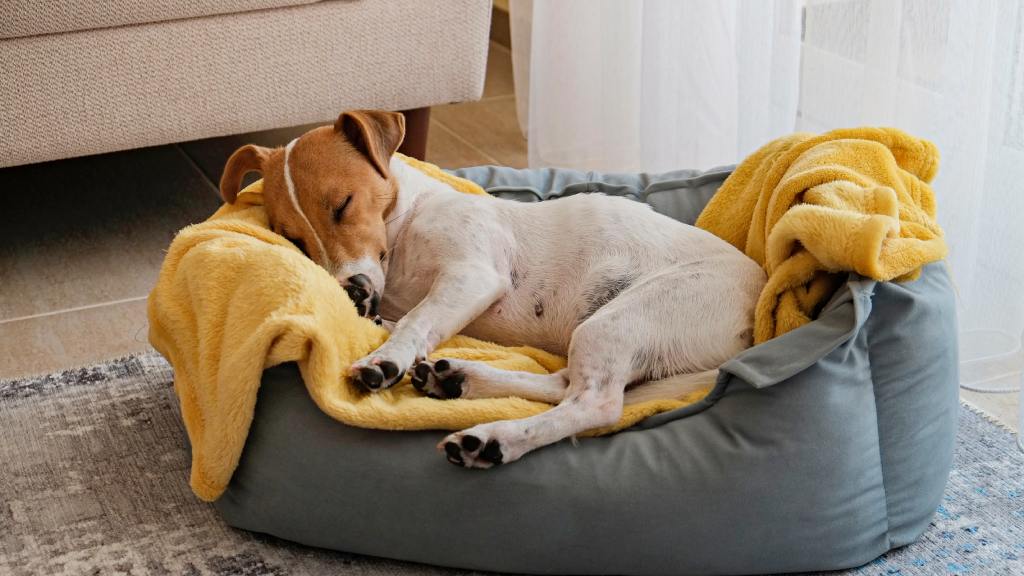
As a dog owner, you want the absolute best for your furry companion. From high-quality food to the most engaging toys, every choice you make is aimed at keeping them happy and healthy. One of the most important decisions you’ll make for your dog’s comfort is choosing the right bed. After all, dogs spend a significant portion of their day sleeping—up to 14 hours for adult dogs and even more for puppies and seniors.
A good dog bed provides more than just a soft spot to rest. It offers crucial support for their joints, a sense of security, and a designated space to call their own. With so many options on the market, from simple cushions to orthopedic memory foam mattresses, finding the perfect one can feel overwhelming. That’s why understanding how to find the perfect dog bed is vital to providing your dog with the best place to lie down.
Understanding Your Dog’s Sleeping Style
The first step in choosing a dog bed is observing how your dog likes to sleep. Just like humans, dogs have preferred sleeping positions that can tell you a lot about the type of bed they’ll find most comfortable.
The Curler
Does your dog often curl up into a tight ball, tucking their nose under their tail? This is a common sleeping position that helps conserve body heat and creates a sense of security. Dogs who sleep like this often enjoy beds with raised sides or bolsters. These “donut” or “cuddler” beds provide a cozy, nest-like environment where they can feel safe and snug.
The Sprawler
If your dog loves to stretch out completely, taking up as much space as possible, they are a “sprawler.” These dogs sleep on their side or belly with all four legs extended. A large, flat mattress-style bed is ideal for them, as it gives them ample room to stretch without feeling confined. Rectangular or square beds without raised edges are usually the best fit.
The Leaner
Some dogs love having their heads and necks supported while they sleep. You might find them resting their head on a pillow, the arm of the sofa, or even your leg. For these “leaners,” a bed with a built-in pillow or a supportive bolster around the edge is a great choice. This allows them to rest their head comfortably while supporting their neck and spine.
Types of Dog Beds
Once you’ve identified your dog’s sleeping style, you can explore the different types of beds available. Each is designed to meet specific needs.
Standard Cushion Beds
These are the most basic and common types of dog beds. They are essentially large pillows or cushions that come in various shapes (round, oval, rectangular) and sizes. They are a good, affordable option for dogs without any specific health issues and who don’t have a strong preference for a particular sleeping style.
Orthopedic Beds
Orthopedic beds are a must-have for senior dogs, large breeds prone to joint problems (like German Shepherds and Labradors), or any dog recovering from an injury. These beds are typically made from high-density memory foam that conforms to the dog’s body, providing excellent support for joints and pressure points. This can help alleviate pain from conditions like arthritis and hip dysplasia, leading to a more restful sleep.
Bolster & Donut Beds
As mentioned earlier, beds with raised edges or bolsters are perfect for dogs who love to curl up or lean. The raised sides offer a sense of security and a comfortable place to rest their head. Donut beds take this a step further, completely encircling the dog in a soft, plush ring that mimics the feeling of a den.
Elevated Beds
Also known as cot-style beds, these feature a fabric surface stretched across a raised frame (usually made of metal or plastic). Elevated beds are fantastic for keeping dogs cool in warmer climates, as air can circulate freely underneath. They are also durable and easy to clean, making them great for outdoor use or for dogs who are heavy chewers.
Key Factors to Consider
Beyond sleeping style and bed type, a few other factors will influence your decision. All of these considerations mean your dog will have a comfy spot to sleep for every nap.
Size Matters
The bed should be large enough for your dog to stretch out comfortably. To find the right size, measure your dog from the tip of their nose to the base of their tail while they are in their typical sleeping position. Add a few inches to this measurement to ensure they have plenty of room. If you have a puppy, consider buying a bed that will fit their adult size, or be prepared to upgrade as they grow.
Material and Durability
The material of the dog bed is important for both comfort and longevity. Strong fabrics make dog beds last longer, allowing you to spend less money over time.
- Cover: Look for a bed with a removable, machine-washable cover. This makes cleaning up dirt, fur, and accidents much easier. Common cover materials include fleece, suede, and canvas. For dogs that shed a lot or have allergies, a hypoallergenic cover might be a good choice.
- Filling: The inside of the bed can be filled with various materials, from standard polyester fiberfill to premium memory foam. For most dogs, a quality foam base will provide better support and hold its shape longer than a simple fiberfill.
- Durability: If your dog is a chewer or a digger, you’ll need a bed made from tough, chew-resistant materials like heavy-duty canvas or ballistic nylon. Reinforced stitching can also help the bed withstand rough treatment.
Your Dog’s Health Needs
Consider your dog’s specific health requirements; if they have these various issues, then you might need to make different choices for your dog’s bed.
- Allergies: Dogs with skin allergies can benefit from hypoallergenic materials that resist dust mites and other allergens.
- Incontinence: For older dogs or puppies that are still house-training, a waterproof liner or a fully waterproof bed is essential to protect the filling from accidents.
- Anxiety: Anxious dogs may find comfort in a self-warming bed or a deeply cushioned “calming” bed that promotes a sense of security.
Make Sleep a Priority
Choosing the right dog bed is an investment in your dog’s health and happiness. A well-rested dog is a happy dog, and giving them their own special spot strengthens the bond you share.
Take a look at your furry friend snoozing now. By considering their sleeping style, size, and any special health needs, you’re now equipped to find a bed they’ll love for years to come.