Affordable Solutions for Small Homestead Fencing
Starting a homestead is often a dream come true, offering a lifestyle of self-sufficiency and connection to the land. However, the initial infrastructure costs can quickly become a significant hurdle for new landowners. Among these expenses, securing your property is one of the most critical yet costly undertakings. Finding reliable and affordable solutions for small homestead fencing is a top priority for ensuring the success and safety of your farm without breaking the bank.
Electric Fencing: Cost-Effective and Versatile
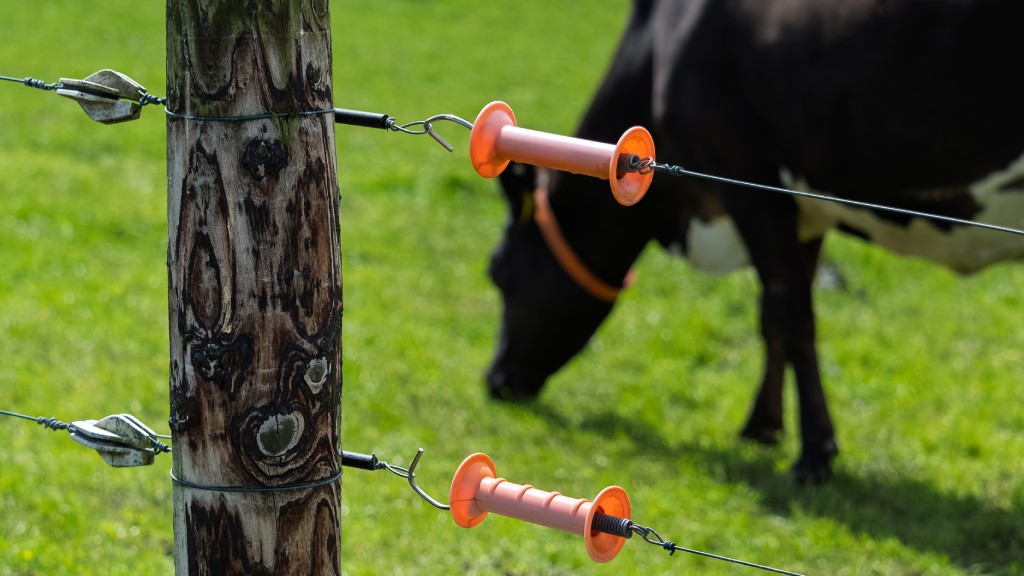
Electric fencing is one of the most economical options for homesteaders, primarily because it relies on a psychological barrier rather than a physical one. Unlike heavy wood or metal barriers, which require significant material and labor to physically stop an animal, an electric fence teaches livestock to respect the boundary with a mild shock. This means you can use lighter posts and fewer materials overall, significantly reducing your upfront investment. It is particularly effective for rotational grazing systems, where you need to move fences frequently to allow pastures to recover.
For those managing smaller livestock or poultry, specific setups offer incredible flexibility. Electric fence netting is ideal for these animals, as the mesh prevents them from slipping through while deterring predators like foxes and raccoons. This netting is portable, allowing you to easily shift your flock to fresh grass, which improves soil health and reduces feed costs. The initial cost of the energizer, the device that powers the fence, can be an investment. However, the low cost of the wire and posts makes this system one of the cheapest per linear foot over time.
Woven Wire Fencing: Durable and Secure
When you need a strong physical barrier, woven wire fencing is a top choice. Often referred to as “field fence” or “no-climb fence,” this option consists of horizontal and vertical wires knotted together to form a grid. This structure creates a formidable physical barrier that is excellent for animals that are prone to leaning, pushing, or trying to squeeze through gaps, such as goats, sheep, and pigs. Because it is a permanent physical barrier, it provides a higher level of security against dog attacks and other large predators compared to single-strand wires.
While woven wire is generally more expensive than simple electric strands, it is still far more affordable than wood or vinyl privacy fencing. To keep costs down, many homesteaders choose to install the corner braces, the most critical part of the fence structural integrity, themselves using locally sourced timber. It requires a bit more muscle to install, as you must stretch the wire tight to prevent sagging, but its longevity is a major selling point. A well-installed woven wire fence can last for decades with minimal maintenance, providing peace of mind that your livestock will stay exactly where you put them.
Barbed Wire Fencing: A Budget-Friendly Option
Barbed wire has been a staple of the American agricultural landscape for over a century, and for good reason. It is exceptionally cheap and effective for large pastures, specifically those housing cattle. The sharp barbs provide an immediate physical deterrent that discourages animals from rubbing against or pushing through the fence line. For homesteaders with significant acreage to cover, barbed wire is often the most viable solution financially, as it requires fewer posts than woven wire and utilizes inexpensive strands of steel.
However, this option comes with caveats regarding animal safety. Experts generally do not recommend barbed wire for horses, which have thinner skin and can severely injure themselves if they panic and run into it. Similarly, small livestock like goats can easily slip between the strands. To make this option work for a diverse homestead, some farmers combine a few strands of barbed wire with an electric strand on the interior. This hybrid approach maintains the low cost of the barbed wire perimeter while adding the psychological deterrent of electricity to keep smaller or more curious animals safe from the barbs.
Pallet Fencing: Upcycled and Economical
For the homesteader with more time than money, pallet fencing is the ultimate DIY solution. Shipping pallets are often available for free or for a nominal fee from local hardware stores, warehouses, or construction sites. By joining these pre-built wooden structures together, you can create a sturdy, rustic barrier perfect for small areas like pig pens, compost piles, or garden perimeters. The treated and durable wood can withstand weather elements for several years.
The trade-off for the free material is the high labor input. Sourcing enough uniform pallets, transporting them, and physically securing them to posts requires significant effort. Additionally, pallets can be visually inconsistent, which might not appeal to every landowner. To improve the aesthetic and longevity, many homesteaders choose to paint or stain the wood. Despite the labor involved, the material cost is virtually zero, making it an unbeatable option for creating solid, visual barriers in smaller, designated zones of the homestead.
Living Fences: Natural and Sustainable
A living fence is a barrier made of tightly planted trees, shrubs, or hedges. Historically used before the invention of wire, this method is making a comeback among permaculture enthusiasts and sustainable farmers. You can weave together plants like Osage orange, hawthorn, or willow as they grow to create an impenetrable wall. This option is incredibly sustainable, as it provides a habitat for pollinators, serves as a windbreak, and, in some cases, offers fodder for livestock.
The main investment for a living fence is time, not money. A living fence takes several years to establish and become stock-proof. However, you can plant saplings or cuttings for pennies on the dollar compared to buying rolls of wire and treated lumber. Once established, a living fence repairs itself and grows stronger every year, unlike manufactured fences that degrade over time. For homesteaders planning for the next generation, planting a living fence is a legacy project that solves fencing needs permanently while healing the land.
Choosing the Right Fencing for Your Needs
Selecting the best barrier for your property involves balancing your budget, your labor availability, and the specific animals you intend to raise. There is rarely a “one size fits all” answer; often, a combination of methods works best. You might use robust woven wire for your perimeter to ensure total security, while utilizing movable electric netting for internal pasture rotation. By carefully assessing your goals and resources, you can implement affordable solutions for small homestead fencing that allow your farm to thrive safely and securely.