10 Things You Didn’t Know Affect Your Car’s Acceleration
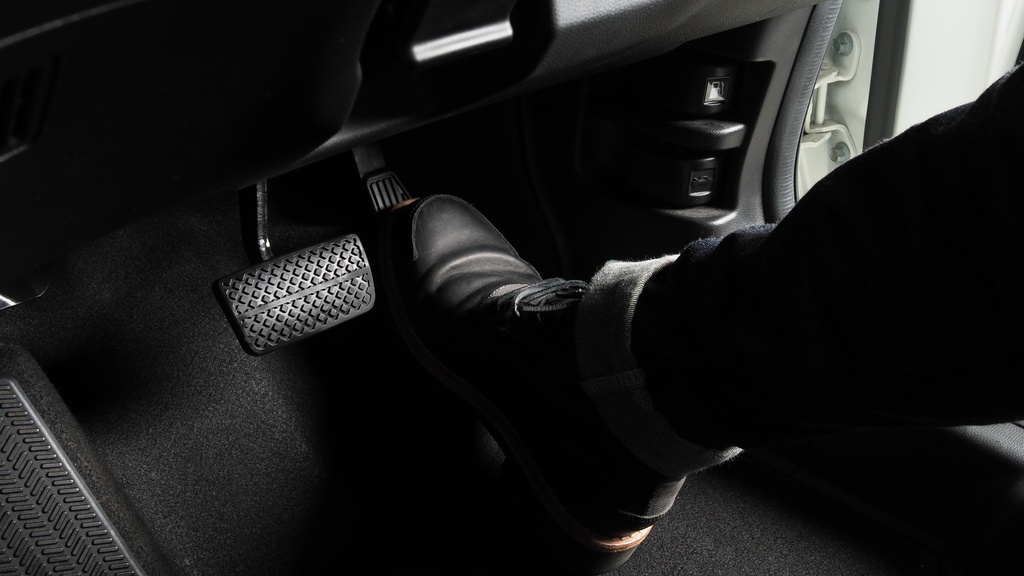
Feeling your car hesitate when you press the gas pedal is frustrating, especially when navigating busy coastal traffic. While many drivers fear a major engine failure, the cause of sluggish acceleration is frequently a minor maintenance issue hiding in plain sight. Your vehicle relies on a complex ecosystem of parts, and when one component falls out of sync, your overall performance suffers. Keep reading to understand the things you didn’t know affect your car’s acceleration, from dirty filters to dragging brakes and more.
1. A Dirty Air Filter
Your engine needs to breathe just as much as you do. For every gallon of fuel your car burns, it requires thousands of gallons of air to support combustion that powers the pistons. When dust, pollen, and debris clog your air filter, it significantly restricts airflow.
Think of it like trying to run a marathon while breathing through a straw. The engine struggles to pull in enough air to mix with the fuel, resulting in a “rich” fuel mixture. This imbalance prevents the engine from generating the power it needs for quick acceleration. Checking your air filter is a simple task that takes five minutes, but it makes a world of difference in how your car responds when the light turns green.
2. The Fuel Filter
While the air filter keeps out contaminants from the outside, the fuel filter allows only clean gasoline to reach your engine. Over time, sediment from your gas tank or impurities in the fuel itself accumulate in the filter. If this filter clogs, it restricts the flow of fuel to the injectors.
When you step on the gas, your engine demands a sudden increase in fuel to generate speed. A clogged filter acts as a bottleneck, starving the engine of the energy it desperately needs. You might notice your car stalling or hesitating, particularly at high speeds or when climbing bridges. Replacing this small, inexpensive part gives your engine a steady diet of fuel for optimal performance.
3. Worn Spark Plugs
Spark plugs are the tiny lightning bolts of your engine. They ignite the air-fuel mixture inside the combustion chamber, creating the explosion that pushes the pistons down. Over thousands of miles, the electrodes on the spark plugs wear down, increasing the gap across which the spark must jump.
When spark plugs wear down, they may fail to ignite the fuel mixture consistently, causing misfires. Even if you don’t feel a violent shake, these subtle misfires result in incomplete combustion. This means your engine wastes fuel and fails to generate full power. Replacing spark plugs at the manufacturer’s recommended interval keeps your acceleration crisp and responsive.
4. Low Tire Pressure
Many drivers in Long Beach ignore their tire pressure monitoring system light, assuming it’s just a suggestion. However, under-inflated tires significantly hamper your acceleration. An underinflated tire contacts more of the road with its surface, increasing friction and rolling resistance.
Your engine must work much harder to overcome this resistance to get the wheels turning. It’s similar to riding a bicycle with flat tires; you pedal harder but go slower. Inflating your tires to the correct PSI improves acceleration, fuel economy, and tire longevity.
5. Excessive Weight
Another simple thing you didn’t know that affects your car’s acceleration is the weight inside your vehicle. It is simple physics: the heavier an object is, the more force you need to move it. If your trunk is full of beach gear, tools, sports equipment, or heavy boxes, you are actively slowing your car down.
Every extra pound forces your engine to work harder to reach the same speed. This is especially noticeable in smaller vehicles with four-cylinder engines. Cleaning out unnecessary items from your cargo area instantly improves your power-to-weight ratio, allowing for snappier acceleration without spending a dime on repairs.
6. Poor-Quality Fuel
Not all gasoline is equal. Using fuel with an octane rating lower than your manufacturer recommends can cause “knocking” or pre-ignition. Modern car computers detect this knocking and retard the ignition timing to protect the engine, which reduces power output.
Furthermore, fuel with high ethanol content or gasoline from a station with contaminated tanks can clog injectors and burn less efficiently. If you drive a performance vehicle that demands premium gas, trying to save a few cents with regular unleaded will cause a noticeable drop in acceleration.
7. Flywheel Inertia
This factor is a bit more technical, but it plays a massive role in how fast your engine revs. The flywheel is a heavy disc attached to the crankshaft that smooths out the engine’s power pulses. While necessary for smooth idling, a heavy flywheel has high rotational inertia.
Flywheel inertia affects acceleration because the engine must use energy to spin the flywheel up to speed before power reaches the wheels. A lighter flywheel allows the engine to rev faster, translating to quicker acceleration response.
8. A Faulty Mass Airflow Sensor
The Mass Airflow (MAF) sensor assesses the amount of air entering the engine so the computer can inject the ideal amount of fuel. If this sensor gets dirty or fails, it sends incorrect data to the engine control unit (ECU).
If the MAF sensor tells the computer that less air is entering than there actually is, the computer injects less fuel. This creates a lean condition, making the engine feel weak and sluggish. Cleaning the MAF sensor with a specific cleaner can restore lost power and fix hesitation issues during acceleration.
9. Dragging Brakes
Imagine trying to sprint while someone pulls backward on your shirt. That is exactly what happens when you have a dragging brake caliper. Sometimes, the caliper piston seizes, or the slide pins get stuck due to corrosion from the humid coastal air, causing the brake pads to press against the rotor even when your foot is off the pedal.
You might smell a burning odor or notice one wheel getting much hotter than the others. Fixing a stuck caliper releases your car from this invisible drag, instantly restoring its ability to accelerate freely.
10. Transmission Issues
Your engine might be making plenty of power, but if the transmission cannot transfer it to the wheels effectively, you won’t go anywhere fast. In automatic transmissions, low fluid levels or worn clutch packs cause slipping. You hear the engine revving up, but the car’s speed doesn’t increase to match.
Delayed shifts or refusing to downshift when you press the gas pedal also kill acceleration. The car remains in a high gear, struggling to gain speed like a cyclist trying to start an uphill climb. Regular transmission maintenance keeps that power transfer smooth from the engine to the road.
Keep Your Coast Cruiser Moving
Reliable acceleration is a critical safety feature for merging and maneuvering confidently on Long Beach roads. If your vehicle feels heavy, don’t wait for a breakdown to address these common issues. A quick professional tune-up can restore your car’s power and allow you to drive with confidence again.