What Excavation Teaches Us About Earth Science
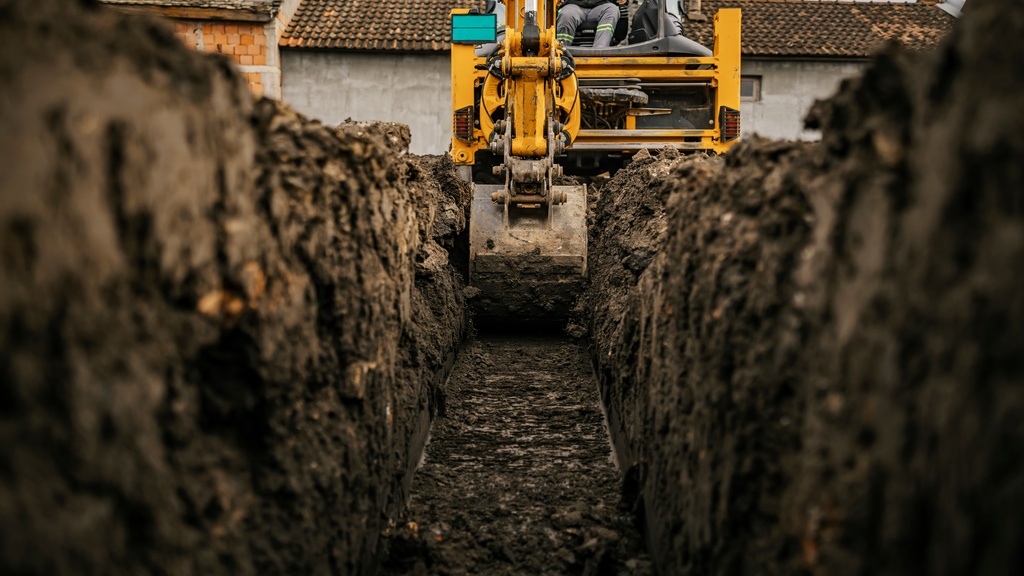
When most people see excavation, they picture machines and a hole that seems to get bigger each time they drive by. On the Mississippi Gulf Coast, though, this work also lets us see the ground that holds up our roads and buildings. Looking closer at what excavation teaches us about earth science can make a jobsite seem more interesting than just a short-term hassle. Read on to learn more about the connection between science and the roads you drive on every day!
Start With the Ground Under Your Feet
The Coast may look flat, but the ground underneath is more varied than most people think. Excavation often uncovers compacted fill in built-up areas or clay that keeps water longer than homeowners want. These layers affect drainage, foundation work, and how crews get a site ready before building starts. Even two nearby properties can act differently, so local projects often need their own specific plans.
Water Changes Everything
Water often takes over during excavation. Groundwater, drainage, and past storms all change how soil acts when crews dig. Sandy soil lets water pass through quickly, while clay holds onto moisture and gets heavy. This is why earth science is important in local excavation, since water affects soil strength and how well a building site will last.
Crews usually have to deal with water before they can dig deeper. Wet areas slow down the job and can be unsafe, but they also give helpful clues about the site. If water pools in one place, it might show a low spot, a drainage problem, or soil that needs special treatment.
Soil Layers Tell a History
Each layer under the ground has its own story. Some formed naturally from moving sediment or coastal changes. Others were added by road work, construction, or fill from earlier projects. When crews dig, they often find both natural and human history mixed together in the same spot.
These layers affect what happens next. One might drain fast, while another holds water and slows things down. Excavation lets engineers and crews see these differences, so they can pick the best method before building a road base.
Augers Help Bring Clues to the Surface
Some ground information stays hidden until crews drill into it. Augers help bring subsurface material to the surface so people can inspect the soil and understand the ground before larger work begins. This is how augers are used in mining, and it helps crews gather information without tearing up an entire site.
What Auger Samples May Show
An auger sample gives crews a clear look at what’s underground. The material they pull up might show rockier areas below the surface. This information helps them decide how to handle foundations, drainage, and other work. For most people, the main idea is that the ground often hides key details until the right tool uncovers them.
Compaction Decides What Holds
Compaction might sound technical, but it’s simple. Soil with too much empty space moves under weight, which can cause problems for slabs and building pads. Crews pack soil down in layers so the ground can hold the project’s weight and avoid uneven settling. On the Gulf Coast, both moisture and fill material affect how stable a site stays over time.
Imagine building a sandcastle at the beach. Dry, loose sand falls apart, but damp, packed sand keeps its shape longer. Construction uses a careful version of this idea, with tests and equipment instead of a bucket and shovel.
Excavation Shows Where Erosion Starts
Erosion doesn’t always look dramatic at first. It might start as a small shift in soil after rain or a low spot that keeps losing dirt. Excavation can show if the ground has already moved or if water has been wearing away the site over time. These clues help decide how nearby buildings will handle future weather.
People living on the coast know that water shapes the land. Excavation makes it easier to spot erosion because crews cut into the ground and reveal the patterns. Once these patterns are visible, planning for drainage feels more like protecting the area.
Old Fill Creates Surprises
Many built-up areas have fill from old construction or grading. This fill can look normal on top, but digging sometimes shows mixed soil or hidden debris. Fill doesn’t always act like natural ground. Projects built on uneven fill need careful planning to avoid shifting, cracking, or drainage problems.
Older properties near town centers or business areas often have this hidden past. A site may have changed many times before the current owner arrived. Excavation acts like a record check, showing what earlier work is still there.
A Few Clues Excavation Reveals
Excavation teaches us through small details that most people miss from the street. These details help crews understand risks and plan their next steps more carefully. A jobsite might just look like dirt and machines, but crews are always reading the land as they work. Here are some clues excavation can reveal:
- Soil that changes color or texture at different depths
- Water is collecting in a trench or drilled hole
- Old fill mixed with natural soil
- Roots, debris, or buried construction material
- Soft areas that compress under equipment
- Sand or clay layers that affect drainage
- Utility trenches that disturbed older ground
Utilities Add Human Layers
There is more than just soil and rock under a community. Water lines, sewer pipes, drainage, and electrical cables all add human-made layers beneath streets and yards. Excavation crews have to work carefully around these systems, since one mistake can affect more than just one site. This is where earth science and local infrastructure meet, and people notice fast if something goes wrong.
Foundations Depend on Soil Behavior
A foundation can’t do its job alone. It relies on the soil beneath it to support the weight and remain steady after construction is complete. Excavation helps crews determine whether the ground needs extra work before pouring concrete, setting piers, or adding other foundation components.
For homeowners, this shows why foundation work should never be left to guesswork. A great floor plan doesn’t matter much if the ground below has water problems or weak support.
Excavation Makes Science Practical
Earth science might seem like just a school subject until a local project makes it real. It links science to the roads we drive, the homes we live in, and the businesses we visit. This makes the lesson more useful than a textbook, since the proof is right in the ground.
This is what excavation teaches us about earth science, and why it matters so much on the Mississippi Gulf Coast, where land and water are always shaping each other.