Round Baler Belts: Lifespan and Wear Factors
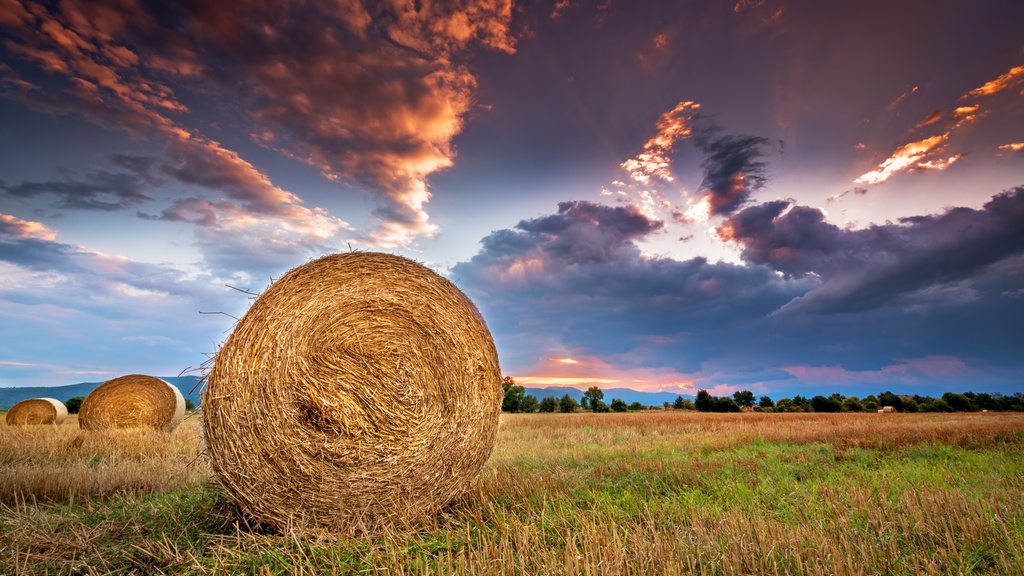
For farmers and hay producers along the Mississippi Gulf Coast, equipment reliability can shape an entire season. A round baler may only run during certain windows of the year, but when hay is ready, every hour matters. Belts that slip, track poorly, crack, or fail under load can slow fieldwork, affect bale quality, and turn a good weather window into a repair day.
Understanding the lifespan and wear factors of round baler belts helps operators plan maintenance before a breakdown interrupts work. Belt life does not depend on age alone. It reflects crop conditions, field debris, baler setup, belt tension, storage habits, operator decisions, and the kind of weather that South Mississippi producers know well.
Why Round Baler Belts Matter
Round baler belts do more than move hay through a machine. They help start the bale core, rotate the bale as it grows, maintain pressure inside the chamber, and produce a bale with the shape and density necessary for handling and storage. When belts perform correctly, the baler works with steady rhythm.
When belts wear unevenly or lose grip, the machine may struggle before a belt fails outright. The operator may notice loose cores, misshapen bales, slipping, squealing, or ragged belt edges. Those signs deserve attention because they can point to larger issues with alignment, tension, crop flow, or friction inside the baler.
The Typical Lifespan Depends on Use
No single lifespan fits every round baler belt. A belt that creates a few hundred bales per year on clean, dry hay may last much longer than one in tough, damp, abrasive, or dirty conditions. The number of bales matters, but the type of work matters just as much for round baler belt lifespan and wear factor.
A producer who bales coastal bermudagrass after summer storms may put different stress on belts than someone baling dry, uniform hay under ideal conditions. Heavy use, high bale density, rough crop material, and long periods of operation in heat can all shorten belt life.
Moisture Changes Wear Patterns
Moisture can challenge baler belts in several ways. Damp hay may add weight, increase drag, and make bale formation harder. Wet residue can cling to belts, rollers, and guides.
On the Mississippi Gulf Coast, humidity can complicate timing even when rain stays out of the forecast. Hay that feels almost ready may still carry enough moisture to affect baler performance. Operators should watch how the baler starts each bale, how the belts track, and whether residue begins to collect during humid or damp conditions.
Friction Affects Both Grip and Wear
Round baler belts need enough friction to grip crop material and rotate the forming bale. Too little grip can cause slipping, weak starts, and uneven bale shape. Too much drag in the wrong areas can create heat, surface wear, and added stress on rollers, bearings, and drive components.
This balance makes friction one of the most important wear factors for round baler belts. Operators must understand how belt surface condition, moisture, crop type, tension, and alignment influence performance.
Belt Tension Can Extend or Shorten Service Life
Proper tension helps belts grip, track, and carry the bale without excessive slipping. Loose belts can skid across the bale or rollers, which may polish the belt surface and increase heat. That wear may start gradually, then show up as poor bale starts or inconsistent bale density.
Too much tension creates another problem. Overtight belts can place extra load on splices, bearings, rollers, and the belt carcass.
Alignment Protects Belt Edges
A belt that tracks correctly runs where it should. A belt that wanders can rub against guides, neighboring belts, or other contact points. Edge wear may begin as light fraying, but it can progress into splitting, tearing, or splice damage.
Alignment issues can come from worn rollers, bent components, uneven tension, debris buildup, or previous repairs that did not restore the belt path correctly. Operators should inspect both sides of each belt, not just the visible surface. Edge wear tells a story, and it can reveal tracking trouble before the belt fails.
Crop Type Makes a Difference
Different forage crops place different demands on baler belts. Fine, slick grasses may challenge grip during bale starts. Coarser or stemmier crops may create more abrasion. Heavy windrows can load the belt system quickly, while light windrows may make it harder to form a tight, consistent core.
Local growing conditions can add variation from one cutting to the next. A field may produce clean hay early in the season, then heavier, tougher material later.
Dirt, Sand, and Debris Increase Abrasion
Gulf Coast soils, field entrances, and low spots can introduce grit into hay, especially after storms or when equipment runs close to the ground. Dirt and sand act like abrasive material inside the baler. They can wear belt surfaces, affect rollers, and shorten service life.
Pickup height plays an important role here. Running too low can pull more debris into the baler. Operators should keep fields as clean as practical, avoid raking soil into windrows, and inspect belts after baling in rough or sandy conditions.
Splices Deserve Close Inspection
Splices carry significant stress because they connect the belt ends and pass repeatedly over rollers under load. A belt surface may look acceptable while the splice begins to loosen, bend, crack, or pull unevenly. Once splice problems begin, the belt can deteriorate quickly.
Regular inspection should include fasteners, lacing, pins, and the belt material around the splice. Operators should look for missing fasteners, uneven wear, raised edges, and signs that the splice no longer runs smoothly.
Heat Signals Trouble
Heat can come from slipping, excessive tension, failing bearings, misalignment, or crop buildup. While balers naturally generate some warmth during work, unusual heat around belts or rollers deserves immediate attention. Heat can harden, glaze, or weaken belt material over time. Operators should treat a hot smell, squeal, or sudden change in performance as a warning sign.
Storage Affects Belt Condition
Baler belts continue to age when the machine sits between seasons. Sun exposure, standing moisture, rodents, chemical contact, and tension left on the system can all affect belt condition.
Operators should clean the machine after the season, remove crop residue, store the baler under cover when possible, and inspect belts before the next cutting. Releasing tension according to manufacturer guidance may also help reduce stress during long idle periods.
Maintenance Should Follow a Routine
A consistent inspection routine gives operators the best chance to catch problems early. Before baling, they should look for cracks, glazing, cuts, frayed edges, missing fasteners, weak splices, roller buildup, and tracking issues. During baling, they should monitor bale shape, core formation, belt noise, and any signs of slipping. After a long day in the field, a quick review can reveal fresh wear while the pattern still makes sense.
Better Belt Care Supports Better Hay Days
Round baler belts work in a demanding environment. They handle crop pressure, moisture, grit, heat, tension, and constant movement. Their lifespan depends on how operators use, adjust, inspect, clean, and store the machine.
For Mississippi Gulf Coast producers, the best approach combines practical field awareness with regular maintenance. Clean crop flow, correct tension, sound alignment, careful storage, and timely replacement all help a baler stay ready when hay conditions line up.