Changes That Can Improve Your Truck’s Trail Performance
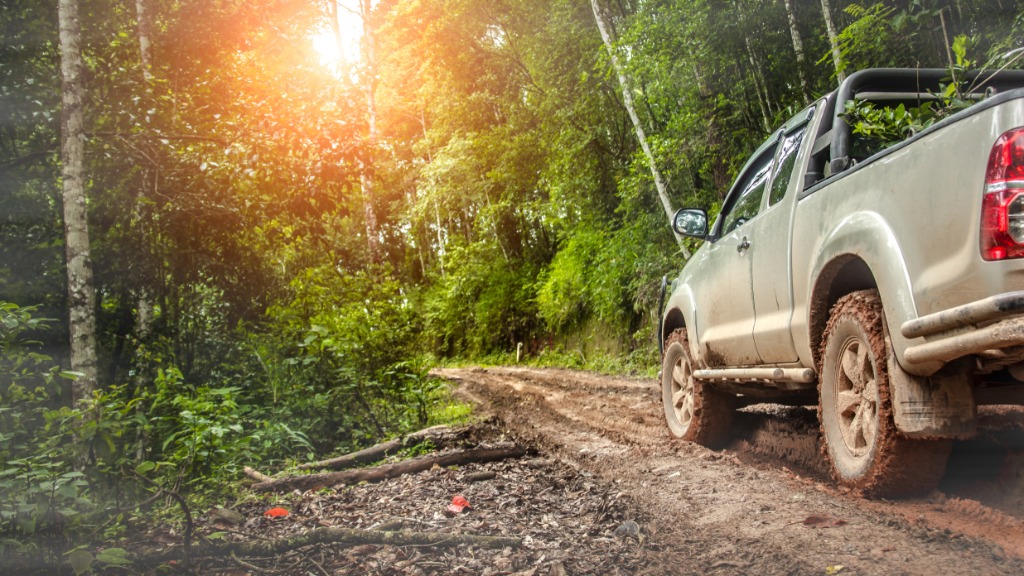
Driving along the Mississippi Gulf Coast may involve flat roads and sandy ground, but trail trips can introduce mud and sharp elevation changes. A capable truck needs more than aggressive styling when you go on an off-road adventure. Review these changes that can improve your truck’s trail performance.
Choose Tires That Match the Terrain
Tires shape how well a truck grips loose ground and responds on uneven trails, so drivers should begin by matching the tread pattern to the terrain. All-terrain tires work well for trucks that travel on pavement and moderate trails, while mud-terrain tires offer deeper tread for softer, rougher surfaces. Drivers along the Mississippi Gulf Coast should also compare wet-road traction, sidewall strength, tread spacing, and road noise before making a selection.
After choosing the right tire type, drivers can decide what size would support their trail goals. Larger tires may increase ground clearance, but their added weight and diameter can affect acceleration and braking. Selecting a size that fits the truck’s suspension, gearing, and wheel wells can improve capability without placing unnecessary strain on bearings and other drivetrain components.
Adjust the Suspension for Control
A truck’s suspension helps the tires stay in contact with uneven ground while controlling body movement over rocks and changes in elevation. Strong shocks, springs, control arms, and related components can improve stability and ride control during trail driving. Drivers should choose parts that support the truck’s weight and tire size and help it with the types of terrain it will encounter rather than focusing only on added height.
A suspension lift can increase ground clearance and create room for larger tires, which may help the truck pass over deeper ruts and taller obstacles. However, raising the vehicle can also affect its center of gravity and alignment. A balanced lift setup can provide useful clearance while preserving predictable handling on trails and paved roads.
Add Protection Beneath the Truck
Rocks and fallen branches can strike parts that sit beneath the vehicle, especially when a trail narrows or changes elevation. Skid plates can shield the transmission and fuel tank from direct impacts that may end a trip early. Drivers should choose plates that cover vulnerable areas without blocking routine maintenance or trapping excessive heat.
Rock sliders can provide another layer of defense by protecting the lower body and rocker panels when the truck passes close to obstacles. Strong sliders attach to the frame and can support part of the vehicle’s weight during contact with rocks or uneven banks. This protection helps prevent body damage while giving drivers more confidence when placing their wheels on narrow or difficult lines.
Improve the Drivetrain for Demanding Routes
Every drivetrain component must work together when a truck climbs or pushes through loose terrain. Drivers making additions should evaluate whether the axles, driveshafts, transmission, and transfer case can handle the added strain. Upgrading one area without considering the entire system can shift stress toward another component that remains unchanged.
The transfer case deserves particular attention. Learning about how chain-driven and gear-driven transfer cases send power can help owners choose components that match daily travel, towing, or demanding trail use. Drivers should base drivetrain changes on factors such as vehicle weight and expected frequency of off-road driving.
Install Traction-Focused Differential Upgrades
Another change that can improve your truck’s trail performance is installing traction-focused differential upgrades. Open differentials work well for routine road travel, but they can limit progress when one tire loses contact or spins on soft ground.
Limited-slip differentials redirect some power toward the tire with better grip, which can help during moderate mud or gravel driving. This design offers an approachable option for trucks that spend most of their time on streets around Long Beach and nearby communities.
Locking differentials create a more direct connection between the wheels on the same axle, helping both tires turn together during difficult sections. Selectable lockers give drivers greater control because they can engage added traction on the trail and return to normal differential action afterward. Since lockers can change steering behavior and place extra loads on axle shafts, a driver’s choice should match the truck’s strength and their experience.
Upgrade Brakes for Added Weight
Trail modifications such as larger tires or steel bumpers can add considerable weight. Although factory brakes may still stop the truck, extra mass can increase braking distance and create more heat during repeated descents. Fresh pads, quality rotors, healthy fluid, and well-maintained calipers can provide a strong starting point before drivers pursue more complex upgrades.
Drivers should select brake components for their real operating conditions rather than choosing parts based entirely on appearance or advertising claims. Trucks that carry heavy equipment or travel through hilly terrain may benefit from pads designed to resist heat across repeated applications. Regular inspections also help drivers identify uneven pad wear or fluid leaks before those problems affect a remote trail trip.
Improve Visibility and Communication
Factory headlights provide enough illumination for normal roads, but trails can hide turns, branches, washouts, and changes in elevation beyond the main beams. Auxiliary lights can broaden the driver’s view when aimed for the conditions ahead rather than mounted only for decoration. Fog lights, driving lights, rock lights, and rear-facing work lights each serve different purposes during nighttime travel or roadside repairs.
Communication equipment can also be essential when groups travel beyond dependable cellular coverage or become separated along winding routes. Handheld radios can help drivers report obstacles and warn others about oncoming vehicles near narrow sections. A charged phone and shared travel plan can add further support when a trail crosses remote areas.
Test Every Change Before a Long Trip
New parts can alter factors such as the feel of the steering or a vehicle’s braking response even when installation goes according to plan. Drivers should begin with local road tests and low-risk terrain before committing to a long trail or distant weekend trip. These shorter drives provide time to find loose hardware or unexpected handling changes.
Testing also helps drivers understand what the truck can do without pushing beyond their comfort or mechanical limits. Tire pressures, suspension settings, cargo placement, and driving technique may require small adjustments as the vehicle moves across different surfaces. Keeping notes about each change can help owners separate useful improvements from modifications that create new problems.
Thoughtful truck modifications can support better control and recovery when drivers leave paved roads for tougher terrain. Owners should treat the truck as one connected system because tires, suspension, brakes, drivetrain parts, and added weight influence one another. A carefully planned build gives Mississippi Gulf Coast drivers a more capable vehicle for trail trips while preserving dependable performance during everyday travel.