Maintaining Equipment in High-Temperature Environments
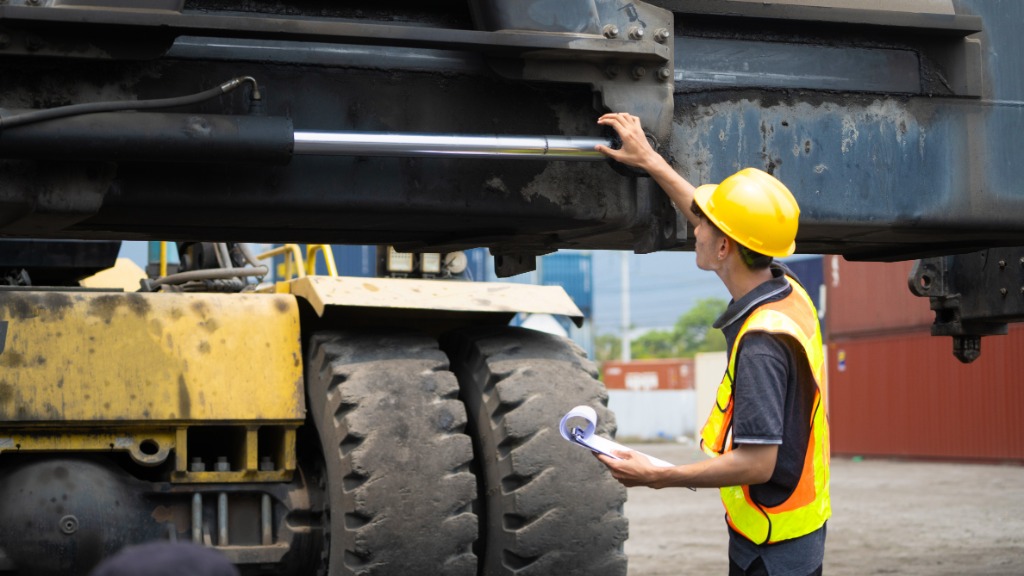
Industrial machinery is often expected to perform continuously while surrounded by intense heat. Foundries and metalworking operations all rely on equipment that may encounter elevated temperatures during normal production. Heat can alter material properties, degrade lubricants, affect electronic controls, and accelerate component failure. A maintenance plan that works in a climate-controlled facility may therefore be inadequate on a hot production floor.
Successful maintaining equipment in high-temperature environments begins with understanding where heat originates, how it travels through a machine, and which components are most vulnerable. Instead of waiting for visible damage, maintenance teams should combine temperature monitoring, appropriate materials, careful cleaning, and planned inspections to reduce disruptions.
Identify the Actual Sources of Heat
Not every hot component faces the same conditions. Some machines generate heat internally through friction, electrical resistance, or compression. Others absorb radiant heat from furnaces, ovens, or nearby production lines. Ambient temperature, airflow, operating load, and the length of each production cycle can make exposure more severe than a single temperature reading suggests.
Teams should document normal operating temperatures at bearings, motors, seals, hydraulic systems, and control enclosures. Measurements taken at consistent locations and operating loads establish a baseline for detecting unusual changes. Infrared inspections can help identify hot spots, but reflective surfaces, emissivity, and measurement distance affect accuracy. Contact sensors may be better for continuous monitoring at critical points.
Choose Components for Their Operating Limits
Heat affects metals, polymers, elastomers, adhesives, and electrical insulation differently. Seals may harden or lose elasticity, belts may deteriorate, and mismatched metals can expand at different rates. Repeated heating and cooling can loosen connections or produce fatigue even when peak temperatures remain within nominal limits.
When replacing parts, verify the manufacturer’s continuous operating temperature range rather than assuming a component is suitable because it briefly withstands a higher temperature. Consider chemical exposure, pressure, load, and thermal cycling alongside heat. Maintenance records should note replacement materials and failure patterns so teams can recognize whether a recurring issue reflects poor component selection or another underlying problem.
Protect Lubrication and Fluid Systems
Lubricants are particularly sensitive to sustained heat. Elevated temperatures can accelerate oxidation, change viscosity, and shorten service intervals. Grease that becomes too thin may fail to maintain a protective film, while degraded oil can leave deposits that interfere with moving parts. Hydraulic fluid also needs attention because heat can affect performance and damage seals.
Follow equipment and lubricant manufacturer specifications for operating temperature, viscosity, and relubrication frequency. Sample oil where appropriate, inspect for leaks, and watch for changes in pressure or abnormal noise. More frequent lubrication is not automatically better: excessive grease can raise bearing temperatures. A condition-based schedule supported by temperature and fluid analysis is generally more useful than guesswork.
Manage Airflow, Cooling, and Cleanliness
Cooling systems cannot work efficiently when vents, filters, or heat exchangers are obstructed. Dust, oil mist, and process residue can accumulate on surfaces and restrict heat transfer. In high-temperature facilities, deposits may also create additional safety concerns when combustible material collects near ignition sources.
Inspect fans, cooling passages, filters, and ventilation pathways on a defined schedule. Confirm that replacement filters meet the system’s requirements and that airflow is not redirected toward workers or sensitive equipment. Cleaning methods should suit the machinery and contamination involved; spraying water onto hot electrical equipment or thermally stressed surfaces can introduce new hazards. Shutdown and isolation procedures must govern work in dangerous areas.
Evaluate Surface Protection Carefully
Protective finishes can help address corrosion, abrasion, chemical contact, and cleaning demands, but temperature suitability varies considerably. A coating that performs well at room temperature may soften, discolor, lose adhesion, or degrade under sustained heat. Surface preparation, substrate expansion, and exposure duration also influence results.
When assessing a coating for a particular component, consult the supplier’s technical data and confirm the expected service temperature. Understanding the differences between urethane and epoxy coatings can inform broader material discussions, but neither category should be assumed suitable for extreme heat without application-specific verification. In some locations, a specialized high-temperature system or an uncoated engineered surface may be the more appropriate choice.
Use Inspections to Catch Thermal Stress Early
Heat-related damage often develops gradually. Discoloration, cracking, warped guards, brittle wiring, unusual vibration, and repeated seal leaks may indicate conditions that require closer investigation. Operators who work beside a machine every day may notice changes before automated systems trigger an alarm.
Create inspection routines that distinguish between normal operating characteristics and warning signs. Record temperatures alongside production loads, ambient conditions, and maintenance events. This context helps technicians determine whether a higher reading reflects a demanding shift or an emerging mechanical fault. Escalation thresholds should come from equipment guidance and site-specific engineering judgment, not arbitrary universal numbers.
Plan Maintenance Around Safe Shutdowns
Maintenance performed on hot equipment presents burn, pressure-release, electrical, and stored-energy hazards. A machine may appear inactive while internal parts remain dangerously hot. Rushed repairs can also damage components if fasteners are adjusted or cleaning agents are applied before the assembly has cooled sufficiently.
Before scheduling work, identify which parts retain heat longest and how technicians will confirm that temperatures have reached safe levels. Thermal barriers and guarding may reduce routine exposure, but they require inspection themselves. Training should address heat stress for personnel as well as mechanical hazards, particularly when maintenance involves confined or poorly ventilated areas. Clear handoffs between shifts reduce the chance that an unresolved alarm or temporary repair is overlooked.
Coordinate service windows with production managers and establish appropriate lockout, isolation, cooling, and verification steps. Keep critical spare parts available when lead times are long, and make sure technicians have access to current equipment documentation. Where shutdowns are expensive, predictive monitoring can help prioritize work, but it should never replace required safety procedures or manufacturer-directed inspections.
Build a Maintenance Program That Improves Over Time
A useful review process also separates immediate corrective action from long-term prevention. Replacing a damaged hose may restore service today, while rerouting it away from radiant heat could prevent the same failure next month. Teams should document both decisions so that emergency repairs do not become permanent compromises.
High-temperature maintenance is most effective when teams learn from recurring issues rather than treating every failure as an isolated event. Review downtime reports, component replacement frequency, temperature trends, and repair costs. If the same bearing or seal repeatedly fails, investigate alignment, cooling, load, and material compatibility before installing another identical replacement.
Effective equipment maintenance under high-temperature operating conditions also depends on communication between operators, technicians, engineers, and purchasing teams. Shared records help everyone understand why certain parts, procedures, or service intervals are necessary. With consistent monitoring and informed adjustments, facilities can improve reliability while protecting workers and preserving production capacity.