How To Find the Right Warehouse Facility
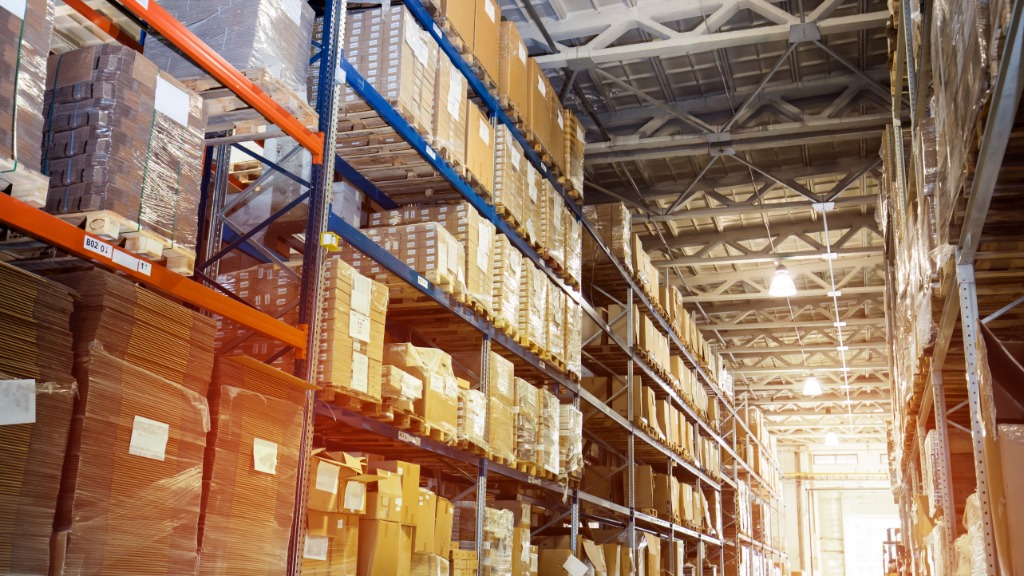
Choosing a warehouse affects far more than where your company keeps inventory. The right building can simplify daily operations, support reliable deliveries, and give your business room to grow. An unsuitable property can create expensive bottlenecks that become harder to correct as demand increases. Understanding how to find the right warehouse facility starts with examining your operational needs rather than focusing only on available square footage. Consider how your team handles products, what customers expect, and which building features will support efficient work.
Identify Your Storage Requirements
Before touring properties, examine how much inventory your operation manages throughout the year. Calculate the space your products occupy, including the clearance needed around shelving and equipment. Consider seasonal fluctuations that could temporarily increase inventory levels. A building that accommodates average stock may become crowded during your busiest months. Planning around peak demand helps prevent costly overflow arrangements and unnecessary disruptions. Ask your inventory team to estimate stock volumes rather than relying on figures from a single quiet month.
Evaluate the characteristics of your inventory as well. Heavy materials may require reinforced flooring, while temperature-sensitive products need appropriate climate controls. Determine whether your operation requires specialized storage areas or particular handling equipment.
Choose a Location That Supports Distribution
Warehouse location influences transportation expenses and delivery reliability. Look for facilities with convenient access to major highways and the areas your business serves. A property with a lower lease rate may cost more overall if drivers regularly travel long distances. Compare transportation routes against your existing shipping patterns to understand the practical advantages of each location.
Consider the availability of local workers when evaluating different areas. A convenient commute can make recruitment easier and reduce staffing challenges. Research nearby industrial activity to understand potential traffic congestion during operating hours.
Examine Building Layout and Workflow
Square footage alone cannot tell you whether a warehouse will function efficiently. Study the building’s interior configuration and imagine how products will move from receiving to storage and then shipping. Narrow aisles or poorly positioned support columns can interfere with equipment movement. An open layout may provide greater flexibility when you rearrange inventory or introduce new processes.
Inspect ceiling heights and determine whether the facility can accommodate your preferred racking systems. Confirm that door openings allow equipment to move safely between operational areas. Look at the distance employees must travel to complete routine tasks.
Evaluate Loading and Shipping Capabilities
Loading docks play a central role in warehouse productivity. Confirm that the property offers enough dock positions to handle your typical shipment volume. Examine dock heights and door dimensions to ensure compatibility with the vehicles your carriers use. Insufficient loading capacity can create delays even when the warehouse has ample storage room.
Review the space outside the building as carefully as the interior. Delivery trucks need room to approach docks and maneuver without creating safety hazards. Check whether the property offers suitable parking for trailers awaiting pickup.
Assess Utilities and Essential Infrastructure
Reliable infrastructure helps your warehouse operate without unnecessary interruptions. Ask about electrical capacity, especially if your team uses powered machinery or automated systems. Inspect lighting throughout the building to ensure employees can work comfortably and identify products accurately. Verify that heating and ventilation systems can maintain conditions appropriate for your inventory and workforce.
Internet connectivity also deserves attention. Inventory management platforms and shipping systems depend on consistent network access. Confirm that the facility supports the connectivity your operation requires. Ask about previous maintenance issues and whether the landlord has plans for infrastructure improvements.
Prioritize Safety and Property Security
A warehouse should provide a safe environment for employees and stored goods. During each tour, inspect emergency exits and look for clearly defined pedestrian pathways. Ask whether fire protection systems meet the requirements of your intended use. Review the condition of flooring, particularly where forklifts or other heavy equipment will operate. Damaged surfaces can increase accident risks and interfere with material handling.
Security measures also protect your business from avoidable losses. Evaluate exterior lighting and access controls to determine how effectively the property restricts unauthorized entry. Consider whether existing surveillance coverage meets your needs. Discuss responsibility for security improvements before signing an agreement so expectations remain clear.
Plan for Future Business Growth
Your next warehouse should accommodate more than immediate demand. Think about how inventory levels could change as your company expands. Review the signs your warehouse has outgrown its storage space, including overcrowded aisles and frequent difficulty locating products.
Ask whether additional space might become available within the same industrial complex. Consider whether the layout allows you to install more storage racks without obstructing daily movement. Choosing adaptable space can reduce the likelihood of another expensive relocation. However, avoid paying for excessive unused capacity when your growth projections remain uncertain.
Compare Total Occupancy Costs
Rental price represents only one portion of warehouse expenses. Request a detailed explanation of utility charges and maintenance responsibilities before comparing properties. Some leases require tenants to cover property taxes or building insurance through additional payments. Understanding these obligations will help you estimate the actual monthly cost of occupying each facility.
Account for any modifications needed before your team can begin operations. Installing racking or upgrading electrical service may require substantial upfront spending. Ask about permitted alterations and whether the landlord will contribute to improvements. Compare these expenses alongside transportation costs to determine which property offers the strongest overall value.
Review Lease Terms Before Committing
A warehouse lease can affect your flexibility for years. Read the proposed agreement carefully and clarify provisions related to rent increases or renewal options. Consider whether the lease duration matches your business plans. A long commitment may provide stability, but it can also restrict your options if operational needs change.
Discuss maintenance responsibilities and procedures for requesting repairs. Determine whether the agreement permits subleasing or expansion if circumstances shift. Have a qualified commercial real estate professional or attorney review unfamiliar provisions. Clear terms help protect your investment and reduce the possibility of disputes after move in. Document any promises about repairs or improvements in writing before you finalize the agreement.
Make a Confident Warehouse Decision
Knowing how to find the right warehouse facility requires balancing operational efficiency with financial practicality. Tour multiple properties and compare each against the requirements you established at the beginning of your search. Speak with the people who manage your daily operations because they often recognize obstacles that others overlook. Take time to verify important building details rather than relying on appearances or promotional descriptions. A carefully selected warehouse can improve workflow and support dependable customer service while giving your business a practical foundation for sustainable growth.