Common Mistakes to Avoid When Modifying Your Car
Modifying your car offers an exciting opportunity to improve performance and create a driving experience that matches your personality. However, even seemingly simple upgrades can cause expensive problems when drivers overlook important details.
A flashy set of wheels or an aggressive exhaust might turn heads, but poor installation choices can quickly turn excitement into regret. Understanding common modification mistakes for your car helps you make smarter decisions while protecting your vehicle’s reliability and long-term value.
Making Modifications Without a Clear Plan
One of the biggest mistakes car owners make involves purchasing upgrades without considering their overall goals. Some drivers want better handling, while others prioritize appearance or everyday comfort.
Without a clear direction, modifications can work against each other and create unnecessary expenses. A thoughtful plan helps you choose upgrades that complement your vehicle rather than compromise its performance.
Consider how you actually use your car before making significant changes. Daily commuters along the Mississippi Gulf Coast have different needs than drivers who regularly attend automotive events.
Heavy traffic, occasional rough pavement, and unpredictable weather can influence which upgrades make sense. Choosing modifications that match your driving habits makes ownership more enjoyable.
Choosing Wheels Without Checking Proper Fitment
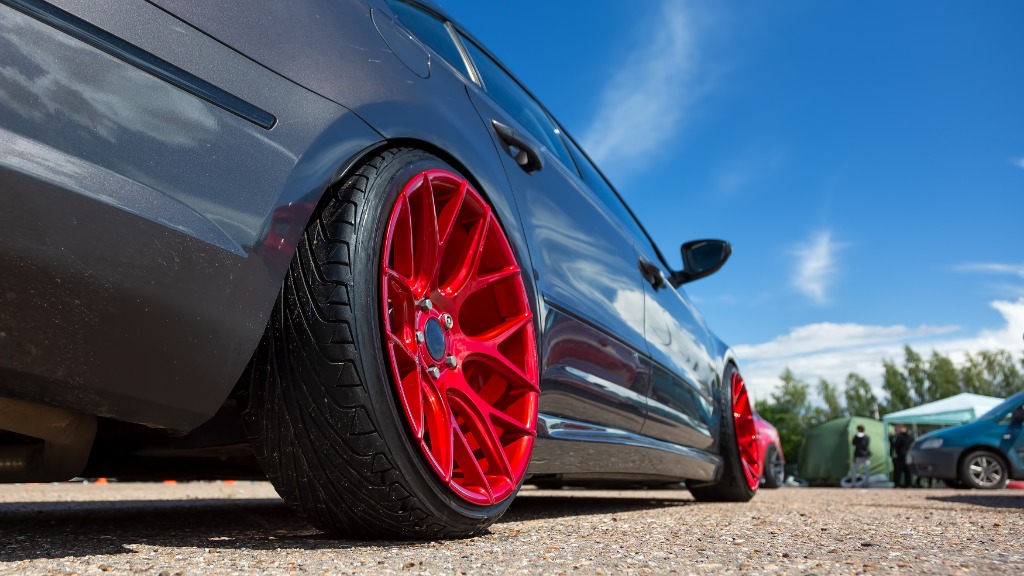
Aftermarket wheels can dramatically transform a vehicle’s appearance, but choosing the wrong specifications can create serious handling problems. Wheel diameter alone doesn’t determine whether a particular set will fit your car correctly.
Width, bolt pattern, and offset all influence how the wheels interact with suspension components. Ignoring these measurements can lead to tire rubbing or premature component wear.
Many enthusiasts researching aftermarket wheels eventually ask: What is wheel offset, and why does it matter? Offset determines how far a wheel sits inward or outward relative to its mounting surface. Incorrect offset can change steering behavior and create clearance problems around the fenders. Always verify manufacturer recommendations and consult experienced wheel specialists before purchasing a new set.
Installing Tires That Don’t Match Your Driving Needs
Tires play a major role in how your vehicle accelerates and responds during sudden maneuvers. Unfortunately, some drivers prioritize aggressive tread patterns or oversized designs without considering practical performance. The wrong tires can increase road noise and reduce fuel efficiency. They may also struggle to maintain traction in challenging weather.
Coastal Mississippi drivers frequently encounter heavy rainfall that creates slippery roads and standing water. Choosing tires with appropriate wet-weather performance helps maintain control during these conditions.
Drivers should also consider load ratings and overall tire diameter before changing sizes. A properly matched tire setup supports safer handling without sacrificing the appearance you want.
Lowering Your Suspension Too Aggressively
Lowering a vehicle can create a sportier appearance while improving certain handling characteristics. However, excessive lowering often introduces problems that outweigh the visual benefits.
Reduced ground clearance increases the likelihood of scraping your undercarriage against driveways or uneven pavement. Extreme suspension changes can also interfere with normal steering geometry.
Drivers should consider road conditions throughout Gulfport, Biloxi, and surrounding communities before choosing a suspension setup. Poorly maintained pavement and steep parking lot entrances can make aggressive lowering particularly frustrating.
Quality suspension components help preserve ride comfort while supporting predictable handling. Professional alignment after installation also helps prevent uneven tire wear.
Increasing Engine Power Without Supporting Upgrades
Performance modifications can make your car feel more responsive and exciting to drive. Unfortunately, some enthusiasts chase horsepower figures without considering whether their vehicle can handle the additional stress. Aggressive engine tuning can raise temperatures and put greater stress on internal components. Ignoring manufacturer limitations can shorten engine life.
More horsepower also increases demands on braking performance and drivetrain components. Before investing in major engine upgrades, evaluate your vehicle’s existing mechanical condition.
Address worn components and confirm that the cooling system operates correctly. A balanced approach to performance modifications delivers more dependable results than focusing exclusively on maximum power.
Overlooking Electrical Compatibility
Modern vehicles rely on sophisticated electronic systems that control numerous functions. Installing aftermarket lighting or entertainment equipment without proper planning can interfere with these systems.
Incorrect wiring connections can drain the battery or damage sensitive electronics. Some modifications can even trigger dashboard warning lights that require professional diagnostics.
Always choose electrical accessories that match your vehicle’s specifications. Quality wiring materials and appropriate circuit protection help reduce the risk of electrical problems. Avoid cutting factory wiring harnesses when compatible adapters offer a safer alternative. Professional installation often provides better long-term value than attempting complicated electrical modifications without sufficient experience.
Ignoring Coastal Weather Conditions
Living near the Gulf Coast introduces environmental challenges that car enthusiasts should consider before modifying their vehicles. Salt exposure and persistent humidity can accelerate corrosion on vulnerable metal surfaces.
Aftermarket components without adequate corrosion protection may deteriorate faster than expected. Even attractive exterior accessories can lose their finish when owners neglect routine maintenance.
Frequent rain also creates challenges for certain aftermarket modifications. Poorly positioned air intakes can increase the risk of water entering the engine during deep-water exposure. Choosing weather-resistant materials and maintaining protective coatings helps preserve your investment in coastal conditions.
Choosing Cheap Parts Over Reliable Quality
Budget-friendly modifications can seem appealing, especially when expensive upgrades promise similar results. However, inexpensive components sometimes sacrifice manufacturing consistency or material strength.
Poor-quality suspension parts may wear quickly and create unpredictable handling characteristics. Repeatedly replacing unreliable components can ultimately cost more than buying dependable alternatives.
Research manufacturers before committing to major purchases. Look for products that meet appropriate safety standards and offer clear compatibility information. Spending strategically helps you avoid unnecessary repairs while maintaining confidence in your vehicle.
Forgetting About the Total Cost of Modifications
Many drivers calculate an upgrade’s purchase price without considering additional expenses. Installation labor and maintenance requirements can significantly increase the final cost.
Some modifications also affect insurance coverage or manufacturer warranty protections. Understanding these financial considerations helps prevent unexpected surprises after installation.
Before purchasing aftermarket components, review the following factors:
- Installation expenses: Determine whether the upgrade requires specialized equipment or professional labor.
- Maintenance requirements: Consider how frequently the new components need inspections or replacement.
- Insurance considerations: Contact your insurer to discuss coverage for aftermarket modifications.
- Legal compliance: Verify that lighting, exhaust, and suspension changes comply with applicable regulations.
- Future resale value: Consider whether potential buyers will appreciate the modifications or prefer factory specifications.
Planning for these expenses helps you establish a realistic modification budget. It also lets you prioritize upgrades that offer meaningful improvements over temporary excitement. Proper documentation can simplify future maintenance and provide useful information when selling your vehicle.
Modifying Your Car Without Sacrificing Reliability
Avoiding vehicle modification mistakes requires more than choosing attractive accessories or chasing impressive performance numbers. Every upgrade should complement your driving habits while preserving essential safety features. For Mississippi Gulf Coast drivers, local weather conditions and everyday road challenges deserve particular attention.
Take time to research compatibility and invest in quality components before beginning your next project. Experienced automotive professionals can help identify potential problems before they become expensive repairs. With careful planning and realistic expectations, you can create a customized vehicle that delivers lasting satisfaction without compromising dependable transportation.