What Modern Machining Teaches Future Engineers
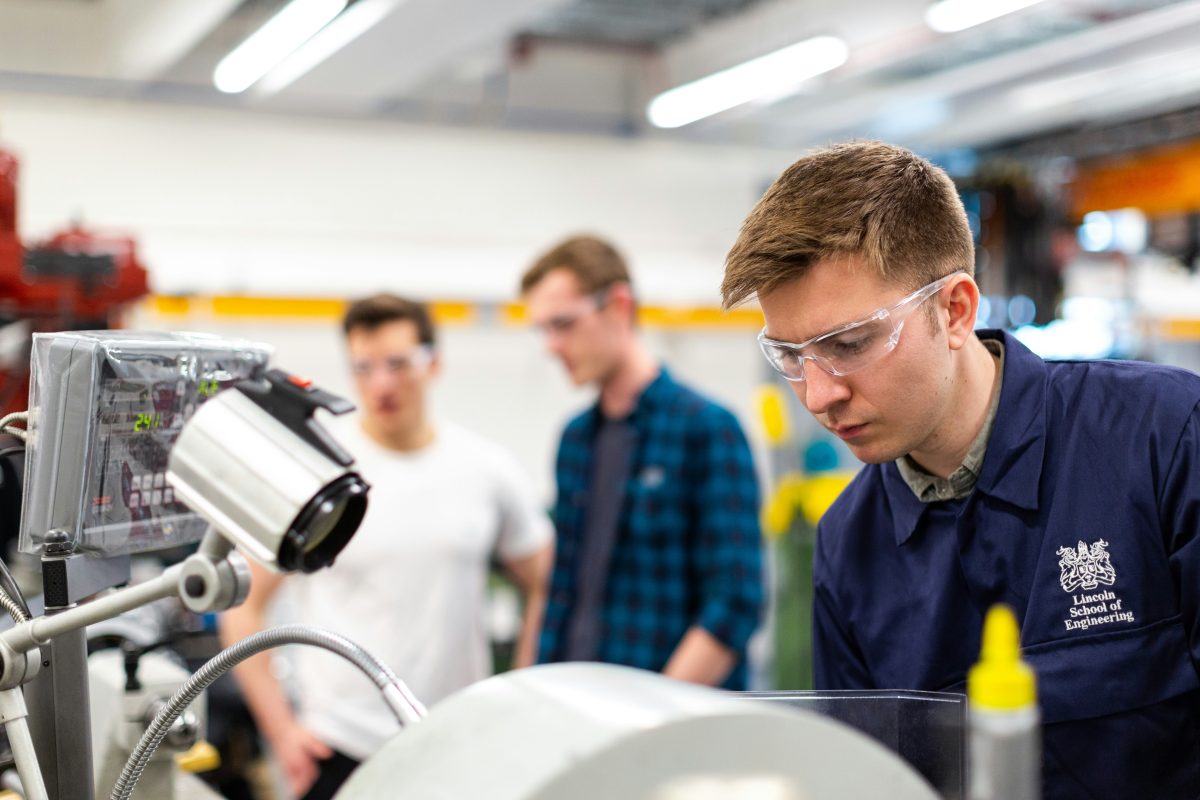
Modern machining gives engineering students a direct view of how an idea becomes a physical part. A digital model may look flawless on a screen, yet the finished component still depends on material behavior, tool selection, and accurate measurements. That gap between a design and its real-world result creates valuable lessons. Students learn to test assumptions, document changes, and recognize that small decisions can affect cost, quality, and production time.
Revitalizing Hands-On Technical Education
Machine shops give technical education a practical setting where math and physics produce visible results. Resources on CNC machining in education show how computer-controlled equipment connects classroom theory with manufacturing skills. A student who specifies a 0.005-inch tolerance must measure the completed part and determine whether the design was realistic.
Schools can start with simple projects such as an engraved plate, a small bracket, or a fitted assembly. Each assignment should include a drawing, setup plan, and inspection report. This process teaches students to communicate clearly while reinforcing safe shop habits and careful recordkeeping. It also makes mistakes useful because students can trace an incorrect dimension back to a specific design or production choice.
Mastering CNC Milling and CAD Software
CAD software allows students to define dimensions, model assemblies, and spot interference before production begins. CNC milling then tests whether that digital plan accounts for tool access, material thickness, and machine limits. Guides to real CNC machines explain why working with production-style equipment gives students relevant experience with their setup and operation.
Details from manufacturers such as XLR Industries also illustrate how precision fabrication supports complex American-made performance hardware and accessories. Students can study publicly visible product geometry, finish quality, and assembly features without copying a proprietary design. For practice, create a basic CAD model, generate the toolpaths, and use simulation software to check for collisions. Compare the machined result with the original drawing using calipers or a micrometer.
Real-World Engineering in Performance Hardware
Performance hardware must combine strength, low weight, repeatable dimensions, and reliable assembly. Those demands introduce students to engineering trade-offs. Removing material may reduce weight, for example, but it can also create a thin section that flexes under load. A complicated shape may perform well while requiring extra setups that raise production costs. Students also gain insight into how to reduce stress concentration on equipment by studying part geometry, load distribution, and the effect of sharp corners versus smooth radii in machined components.
A useful classroom exercise is to redesign a mounting plate for easier manufacturing. Students can reduce unnecessary tool changes, replace sharp internal corners with machinable radii, and choose standard hole sizes. They should then explain how each change affects production time and function. Testing adds another layer of evidence. A simple load test, fit check, or repeated assembly cycle can reveal problems that a digital model didn’t show, helping students connect measurements with design revisions.
Career Pathways in Precision Fabrication
Precision fabrication supports careers in aerospace, medical devices, transportation, robotics, and industrial equipment. Entry-level roles include CNC operator, quality technician, CAD drafter, and manufacturing technician. With experience and further education, workers may move into programming, process engineering, tool design, or production management.
Students can prepare by building a small portfolio that contains dimensioned drawings, CAD screenshots, setup sheets, and inspection results. Employers want to see how an applicant solved a problem, not only a photo of the finished part. Industry credentials can help, but consistent work habits matter too. Showing up prepared, checking measurements, and documenting revisions signal that a candidate understands production responsibility. Local manufacturers, community colleges, and school fabrication labs may also offer tours or internships that reveal how engineering teams work across design, machining, and quality control.
The most useful machining lesson often appears after inspection, when a measured part differs from its digital model. Finding the reason and correcting the process turns a classroom project into genuine engineering experience.