How Daily Outdoor Play Builds Stronger Neighborhoods
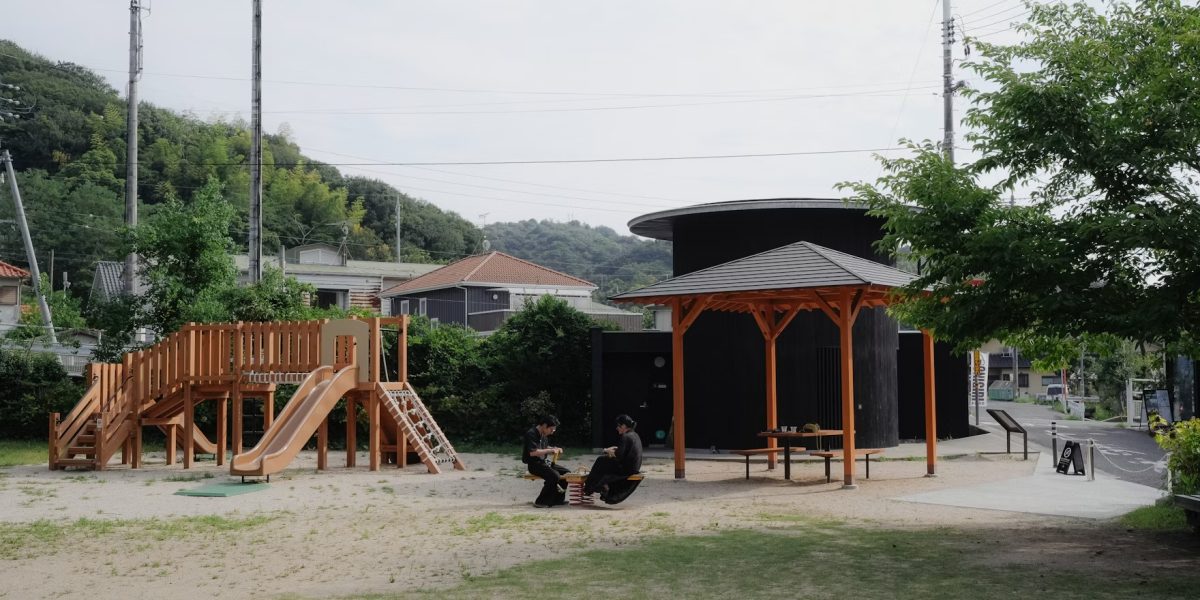
Daily outdoor play gives children room to move, solve small problems and build friendships close to home. It also helps neighbors become familiar faces instead of strangers who happen to share a street.
A driveway game may begin with two children after school, then grow as siblings and nearby families join in. These ordinary interactions create a stronger sense of belonging while giving kids an active break from indoor routines.
Screen Time Versus Green Time
Screens are part of school, entertainment and family life, so strict bans often create unnecessary conflict. A more practical goal is to build predictable outdoor time into the day. The screen time to green time approach encourages families to replace some indoor media use with active experiences outside.
Start with a 30-minute block after homework or before dinner. Children might ride scooters, draw with sidewalk chalk or invent a simple relay course. When several households follow a similar rhythm, kids naturally find playmates. Parents also get more chances to talk while supervising from porches, sidewalks or front yards.
Designing Active Driveways and Yards
An active play space doesn’t require a large lawn. One clear section of a driveway can support jump-rope games, chalk courses and basketball. Families choosing a basketball hoop should look at available space, adjustability and the ages of the people who will use it. Leave enough open room for movement and keep parked vehicles, garden tools and loose cords away from the play area.
Thoughtful neighborhood design also matters. Guidance on cities for outdoor play highlights the value of accessible spaces where children can move and socialize. At home, that principle can be as simple as keeping sightlines open and adding a bench where adults can comfortably supervise.
Safety Rules for Street Sports
Set the rules before play begins, especially when an activity could spill beyond a driveway or yard. Children should know the exact boundary, where to pause for passing vehicles and which adult to contact if a ball rolls into the street. Bright chalk lines can make limits easy to see.
Choose a play period when traffic is light and ask children to stop whenever visibility becomes poor. Protective equipment should fit the activity, particularly for bikes, skates and scooters. Younger children need close adult supervision, while older kids can help watch for hazards without taking on full responsibility. Clear expectations keep the game moving and reduce arguments about what is allowed.
Lifelong Habits Start Outside
Children are more likely to stay active when movement feels social and enjoyable. A weekly driveway game, neighborhood walk or park meetup gives them something to anticipate. Keep the atmosphere welcoming by adjusting teams when skill levels differ and letting children rotate through roles. Adults can join occasionally without directing every minute.
These routines benefit the wider neighborhood too. Families learn one another’s names, older children become positive examples for younger ones, and adults notice when a familiar child may need help. The strongest traditions are often simple: the chalk comes out after school, a few neighbors gather nearby, and everyone knows there’s room to join the next game.