Why Active Adults Struggle With Rest and Recovery
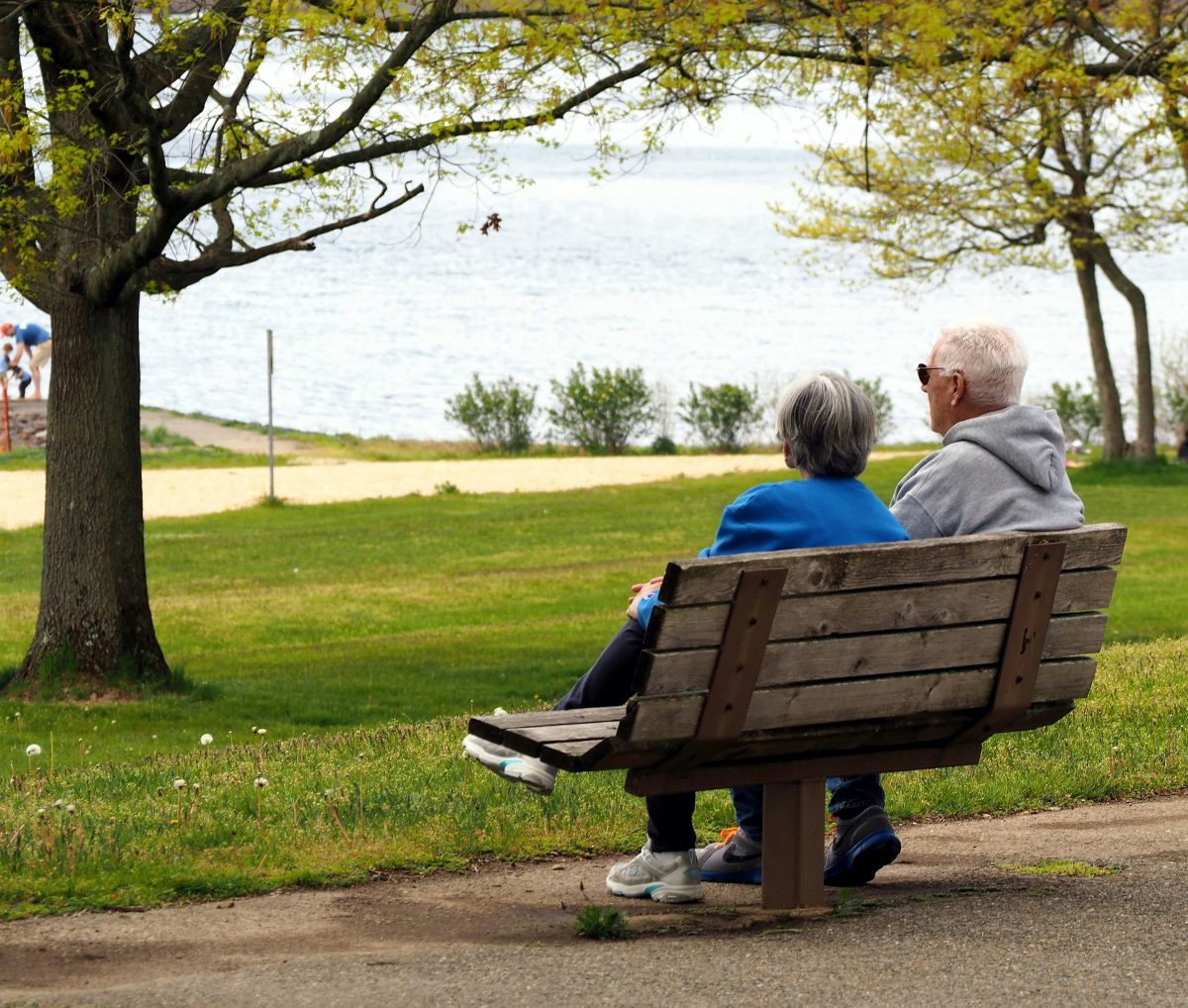
Lingering muscle soreness can make every workout feel like a setback, especially when stiffness, fatigue, and discomfort interfere with your daily activities or keep you from training consistently. Eating well and pushing through another session won’t always speed recovery, and ignoring your body’s signals can leave you struggling to maintain progress. Discover how smarter training habits, quality sleep, proper nutrition, and supportive recovery strategies can help you feel better, rebuild strength, and stay active without constantly battling soreness.
The Physiology of Delayed Muscle Soreness
Delayed onset muscle soreness, commonly called DOMS, usually appears 12 to 24 hours after unfamiliar or demanding activity. Symptoms may peak one to three days later. According to the Cleveland Clinic’s DOMS guide, this discomfort is associated with microscopic muscle damage and the body’s repair response.
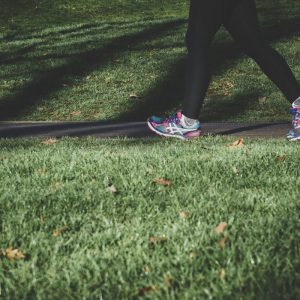
Light movement can help stiff muscles feel more comfortable. Try an easy walk, gentle mobility work, or a relaxed swim instead of another intense session. If you’re exploring topical or ingestible options for discomfort, My Pain Center wellness products include hemp-derived cannabinoid products intended for pain relief, sleep, and relaxation. Discuss these products with a health professional first, particularly if you take medication.
Sharp pain, major swelling, weakness, or pain that keeps getting worse needs medical attention.
Why Good Nutrition Alone Is Not Enough
Protein, carbohydrates, and fluids give the body the materials it needs to repair tissue and restore energy. Still, a balanced meal can’t compensate for too little sleep or repeated high-intensity training.
During sleep, the body carries out processes involved in tissue repair, hormone regulation, and immune function. Most adults should aim for at least seven hours each night, with active people sometimes needing more. A steady sleep schedule also helps. Going to bed at 10:30 one night and 1 a.m. the next can leave you feeling drained even when the total weekly hours look acceptable.
Training load matters too. If you add extra mileage, heavier resistance, and a new class in the same week, nutrition alone won’t erase the sudden jump in physical demand. Increase one variable at a time and leave space between hard sessions.
Incorporating Plant Extract Solutions
Plant extracts may serve as one part of a broader recovery plan. Hemp-derived CBD and THC products are often marketed for discomfort, relaxation, or sleep support, but responses vary. Product format, serving size, and individual sensitivity can affect the experience.
Start by reading the ingredient list and checking for independent laboratory testing. The label should clearly state the cannabinoid content per serving, not only the total amount in the package. Begin with the smallest labeled serving and avoid combining products until you understand how one affects you.
THC can impair coordination and alertness, so don’t drive or operate equipment after taking it. Local rules also vary. People who are pregnant, nursing, subject to workplace testing, or taking prescription medicine should speak with a qualified health professional before using cannabinoid products.
Building a Long-Term Movement Routine
A sustainable routine alternates stress with recovery. Two demanding days followed by another demanding day can gradually lower performance, even if each workout seems manageable on its own. Schedule easier sessions before fatigue forces an unplanned break. As part of building a sustainable fitness routine, balancing progressive training with adequate recovery time helps support consistent performance and reduce unnecessary strain.
Recovery may also change over time. A sports medicine overview of age-related recovery changes points to factors such as reduced muscle mass, hormonal changes, and lower tissue elasticity. That doesn’t require giving up challenging exercise. It calls for more deliberate pacing.
Use a simple weekly rhythm: two or three strength sessions, moderate aerobic activity, and at least one lower-demand day. Track soreness, sleep, and energy for a few weeks. If your legs still feel heavy when climbing stairs or your usual pace suddenly feels difficult, scale back intensity for several days. A routine that leaves you ready to move again is more useful than one that repeatedly sidelines you.