Choosing the Right Contactor for Your Business
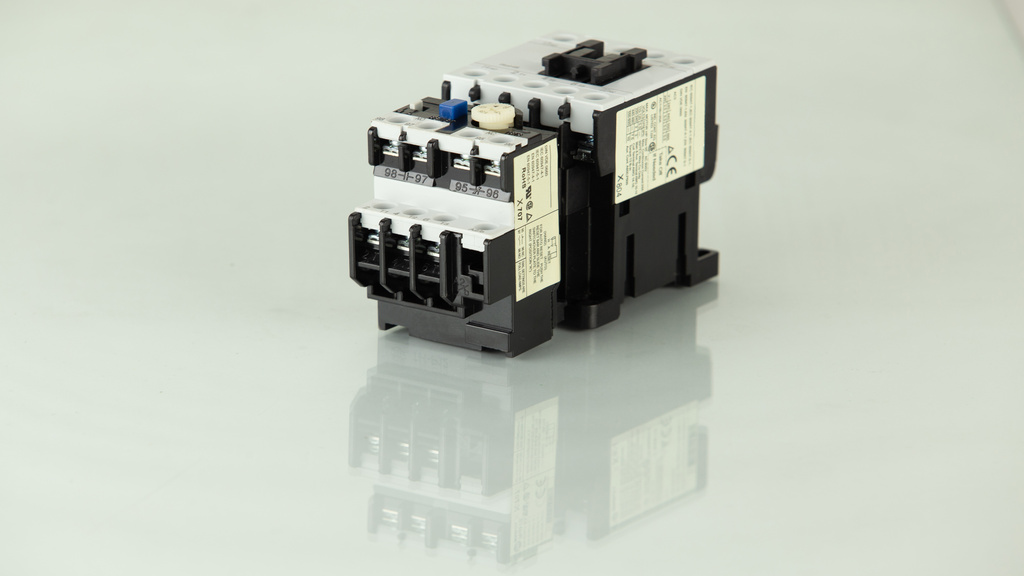
Electrical contactors might not be the most glamorous components in your industrial setup, but they’re absolutely critical to keeping your operations running smoothly. They work behind the scenes to switch circuits on and off, protect your motors from overload conditions, and control the flow of electricity throughout your facility.
Selecting the wrong contactor can lead to premature equipment failure, unexpected downtime, and costly repairs. On the flip side, choosing the right one can extend your equipment’s lifespan, improve reliability, and save you significant money over time. The challenge lies in navigating the various specifications, ratings, and features available to find the perfect match for your specific application.
This guide will walk you through everything you need to know about selecting the ideal contactor for your business needs. We’ll break down the technical jargon, explain the key considerations, and help you make an informed decision that keeps your operations running at peak efficiency.
Key Considerations
Current and Voltage Ratings
Getting the electrical ratings right forms the foundation of proper contactor selection. Your contactor must handle the full load current of your application with room to spare. The rated current varies depending on the voltage, so you’ll need to match both parameters to your specific electrical supply.
Most industrial operations use three-phase 400V supplies, though some facilities operate on 110V systems, and heavy industries might use 690V electrical supplies. The contactor’s voltage rating must match or exceed your system voltage to handle the electrical stress safely.
Current ratings require careful attention to your motor’s full load amperage, which you’ll find on the motor nameplate or datasheet. However, don’t just match the rating exactly—motors draw significantly more current during startup, sometimes six to eight times their running current. Your contactor must handle these inrush currents without damage.
Consider the different types of electrical contactors available, as AC and DC versions handle electrical characteristics differently. AC contactors work with alternating current systems, while DC contactors manage direct current applications. Each type has specific design features optimized for its intended electrical environment.
Application Requirements
Your specific application dramatically influences contactor selection beyond simple electrical ratings. A motor used for continuous operation has different requirements than one that starts and stops frequently throughout the day. Understanding your application’s demands helps you select a contactor that will provide reliable, long-term service.
Motor starting applications create particularly challenging conditions for contactors. The high inrush currents and mechanical stresses of frequent starting require robust contact materials and mechanisms. If your application involves frequent starts and stops, you’ll need a larger contactor than one used for continuous operation at the same current level.
Utilization categories, defined by International Electrotechnical Commission standards, provide guidance for matching contactors to specific applications. These categories consider both the electrical load characteristics and the duty cycle, helping you select appropriately rated equipment.
The load type also matters significantly. Inductive loads, like motors, create different electrical stresses than resistive loads used for heating applications. Inductive loads generate back-EMF when switched, creating arcing conditions that require special consideration in contactor design.
Environmental Factors
Environmental conditions can make or break your contactor’s performance and lifespan. Temperature extremes, humidity levels, altitude, and the presence of corrosive substances all affect how contactors operate and how long they last.
High ambient temperatures reduce a contactor’s current-carrying capacity, requiring derating calculations to maintain safe operation. Conversely, extremely low temperatures can affect the mechanical operation of the contactor mechanism and the electrical properties of the coil.
Humidity presents challenges, potentially causing corrosion of contact surfaces and reducing insulation effectiveness. In humid environments, contactors with appropriate protective features become essential for reliable operation.
Altitude affects both thermal performance and electrical insulation properties. At higher altitudes, the thinner air provides less cooling capacity and reduces dielectric strength, requiring specially rated contactors or derating of standard units.
Corrosive environments demand special attention to contact materials and enclosure ratings. Chemical processing facilities, marine environments, and outdoor installations often require contactors with enhanced corrosion resistance or protective enclosures.
Additional Features and Options
Overload Protection
Overload protection represents one of the most valuable features you can incorporate into your contactor selection. While contactors control the on-off switching, they don’t inherently protect against overcurrent conditions that can damage motors and other equipment.
Thermal overload relays work in conjunction with contactors to monitor current flow and disconnect the circuit when overcurrent conditions persist. These devices detect the heat generated by excessive current and trip the contactor before damage occurs.
Electronic overload protection offers more precise monitoring and additional features like phase loss detection, ground fault protection, and communication capabilities. These advanced systems provide better defense and diagnostic information than traditional thermal overloads.
The sizing of overload protection requires careful consideration of your motor’s characteristics and operating conditions. Factors like service factor, ambient temperature, and duty cycle all influence the proper overload setting.
Surge Suppression
Electrical surges can damage sensitive control equipment and reduce contactor life significantly. Surge suppression features help protect both the contactor and connected equipment from voltage spikes caused by lightning, switching operations, or other electrical disturbances.
Varistor-based surge suppressors clamp voltage spikes to safe levels, preventing damage to contactor coils and control circuits. These devices activate only when surge conditions occur, protecting without affecting normal operation.
RC (resistor-capacitor) surge suppression circuits offer another approach, particularly effective for protecting against switching surges generated by inductive loads. These circuits help extend contact life by reducing arcing during switching operations.
Some applications benefit from more comprehensive surge protection systems that protect entire control panels rather than individual contactors. These systems provide broader protection but require careful coordination with individual device protection.
Manual Override
Manual override capabilities provide valuable flexibility for maintenance and emergencies. These features allow technicians to operate contactors manually when automatic control systems are offline or during maintenance procedures.
Mechanical manual override mechanisms let you close contactor contacts without energizing the coil. This capability proves invaluable for testing circuits, troubleshooting problems, or maintaining equipment when normal control power isn’t available.
Some manual override systems include lockout provisions that prevent automatic operation while manual control is engaged. This safety feature protects maintenance personnel by preventing unexpected equipment startup.
Consider the accessibility of manual override controls in your installation. Controls should be easily reached by maintenance personnel but protected from accidental operation during normal use.
Making the Right Choice
Selecting the right contactor requires balancing all these factors against your specific operational needs and budget constraints. Start by thoroughly documenting your electrical requirements, environmental conditions, and operational patterns.
Work with experienced suppliers who can provide technical support and application guidance. They can help you navigate the various options and identify solutions that best match your needs without over-engineering the selection.
Consider the total cost of ownership, not just the initial purchase price. A more expensive contactor that lasts longer and requires less maintenance often provides better value than a cheaper alternative that needs frequent replacement.
Plan for future needs as well as current requirements. If you anticipate changes in your operations or electrical loads, factor these into your selection process to avoid premature obsolescence.