Creating a Safe and Beautiful Rooftop Bar
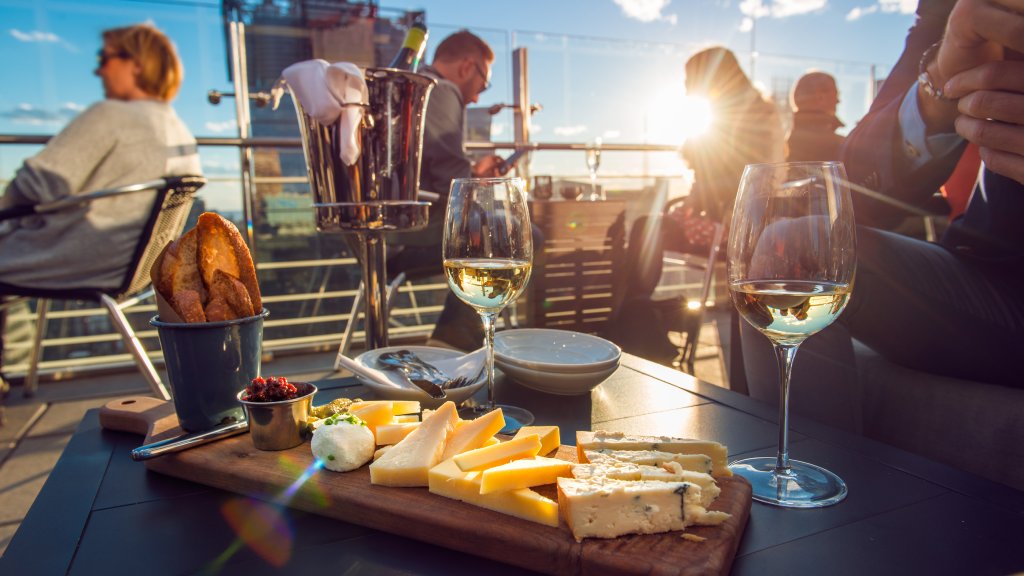
Rooftop bars have transformed urban nightlife, offering breathtaking views and elevated experiences that ground-level establishments simply can’t match. These sky-high venues combine the thrill of height with sophisticated dining and drinking, creating memorable spaces where guests can escape the bustle below while enjoying panoramic cityscapes.
However, creating a successful rooftop bar requires more than just setting up tables and chairs on a roof. The unique challenges of operating at elevation demand careful attention to both safety protocols and aesthetic appeal. Wind exposure, weather conditions, structural limitations, and regulatory requirements all play crucial roles in determining whether your rooftop venture will thrive or fail.
This guide walks you through the essential elements of designing and maintaining a rooftop bar that prioritizes guest safety while delivering the stunning visual experience that draws people to these elevated spaces. Continue reading to explore ways to create a safe and beautiful rooftop bar.
Planning and Design
Legal and Safety Considerations
Before you start sketching design ideas, navigate the complex web of local regulations governing rooftop establishments. Zoning laws vary significantly between municipalities, and what works in one city might be prohibited in another. Contact your local building department early in the planning process to understand specific requirements for rooftop commercial use, including occupancy limits, noise restrictions, and operating hours.
The structural integrity of your building forms the foundation of all other decisions. Hire a structural engineer to assess your roof’s load-bearing capacity, considering not just the weight of furniture and equipment, but also the maximum number of guests you plan to accommodate. This assessment will determine whether you need structural reinforcements before proceeding with construction.
Emergency planning cannot be an afterthought. Your rooftop bar needs clearly marked emergency exits that remain accessible at all times, and these exits must meet local fire code requirements, such as using fire-rated door hardware. Consider how emergency responders would access your space and evacuate guests if necessary. Some jurisdictions require dedicated emergency lighting systems and communication devices for rooftop venues.
Design Elements
The layout of your rooftop bar significantly impacts both safety and customer satisfaction. Create clear pathways between seating areas, the bar, and emergency exits. Avoid cramped arrangements that could become dangerous during busy periods or emergencies. Position your main bar structure away from the roof edges while maintaining easy access for staff carrying heavy trays.
When designing your bar structure, consider both functionality and wind resistance. Rooftop environments expose equipment to stronger winds than ground-level venues experience. Anchor all permanent structures securely and design them to withstand your area’s typical weather conditions. Install proper drainage around bar areas to prevent water accumulation during storms.
Weather protection becomes crucial for guest comfort and operational continuity. Retractable awnings offer flexibility for different weather conditions, while permanent structures like pergolas provide consistent shelter. Consider installing windscreens or glass barriers that protect guests without completely blocking views. These elements should complement your overall design aesthetic rather than appearing like afterthoughts.
Enhancing Safety
Safety Barriers and Railings
Proper barriers prevent accidents while maintaining the open feel that makes rooftop bars appealing. Most building codes require barriers of at least 42 inches in height around roof perimeters, but check your local requirements as standards vary. Glass barriers offer excellent views while providing necessary protection. However, they require regular cleaning to maintain clarity.
Material selection for barriers affects both safety and longevity. Stainless steel resists weather damage and requires minimal maintenance, while aluminum offers lighter weight without sacrificing strength. Avoid materials that become slippery when wet or that could deteriorate under constant exposure to the sun and precipitation.
Schedule regular inspections of all barriers and railings, particularly after severe weather events. Look for loose connections, corrosion, or damage that could compromise structural integrity. Document these inspections to demonstrate compliance with safety regulations and identify maintenance needs before they become serious problems.
Flooring and Slip Resistance
Rooftop surfaces face unique challenges from weather exposure, temperature fluctuations, and constant foot traffic. Choose flooring materials specifically designed for outdoor commercial use, with textured surfaces that provide traction even when wet. Avoid smooth materials like polished stone or untreated wood that become hazardous during rain or when condensation forms.
Proper drainage prevents water accumulation that creates slip hazards and structural problems. Install drainage systems that direct water away from high-traffic areas while preventing puddles from forming around seating areas. Consider slightly sloped surfaces that naturally guide water toward drains without creating uncomfortable dining conditions.
High-performance materials will enhance your rooftop design by providing durability and safety that standard indoor flooring cannot match. Modern composite decking, textured concrete, and specialized rubber surfaces offer excellent traction while withstanding extreme weather conditions better than traditional materials.
Lighting
Adequate lighting serves multiple safety functions beyond simple visibility. Well-lit pathways prevent trips and falls, while proper illumination of barriers and edges helps guests navigate safely. Install lighting that illuminates step changes, railings, and potential obstacles without creating glare that could impair vision.
Emergency lighting systems provide crucial backup during power outages or other emergencies. These systems should automatically activate when primary lighting fails and provide sufficient illumination for safe evacuation. Consider battery-backup systems for critical areas like emergency exits and main pathways.
Enhancing Aesthetics
Landscaping and Greenery
Plants add natural beauty to rooftop spaces while providing practical benefits like wind reduction and temperature moderation. Select plants that thrive in your climate’s rooftop conditions, which typically involve more extreme temperatures, stronger winds, and varying moisture levels than ground-level gardens experience.
Container gardening offers flexibility for rooftop spaces, allowing you to rearrange plants seasonally or relocate them during severe weather. Choose planters large enough to support root systems while providing adequate drainage. Heavy planters should sit over structural supports rather than in areas where weight could cause problems.
Consider how plants will look during different seasons and plan for year-round appeal. Evergreen shrubs provide a consistent structure, while seasonal flowers add changing color throughout the year. Incorporate plants at various heights to create visual interest without blocking important sightlines or views.
Furniture and Decor
Rooftop furniture must withstand weather conditions that would quickly destroy typical indoor pieces. Look for materials like powder-coated aluminum, marine-grade fabrics, and treated hardwoods that resist fading, rusting, and deterioration. Consider furniture with stackable or folding designs that allow for easy storage during severe weather.
Weight becomes a critical factor for rooftop furniture. Heavy pieces provide stability in windy conditions but may exceed load limits if used extensively. Strike a balance by choosing substantial pieces for key areas while using lighter options where wind protection exists. Secure all furniture to prevent movement during storms.
Decorative elements should reflect your bar’s personality while standing up to outdoor conditions. Weather-resistant artwork, planters, and architectural features can create ambiance without requiring constant replacement. Consider how decorative elements will look during different times of day and seasons.
Lighting Design
Lighting sets the mood for your rooftop bar while serving essential safety functions. Layer different types of lighting to create ambiance while maintaining functionality. Ambient lighting provides general illumination, task lighting helps staff work safely, and accent lighting highlights architectural features or landscaping.
String lights create a magical atmosphere while providing practical illumination. Install them securely to withstand wind and weather, and choose LED options that generate less heat and last longer than traditional bulbs. Consider programmable systems that can adjust brightness and color throughout the evening.
Decorative fixtures should complement your overall design theme while withstanding outdoor conditions. Look for fixtures with appropriate weather ratings for your climate, and position them to avoid creating shadows in important areas like pathways and seating zones.
Create Lasting Impressions
Success in the rooftop bar business comes from balancing safety requirements with memorable design that keeps guests returning. The investment in proper planning, quality materials, and ongoing maintenance pays dividends through customer loyalty and regulatory compliance.
Remember that your rooftop bar represents a significant responsibility to guest safety alongside the opportunity to create extraordinary experiences. The combination of stunning views, thoughtful design, and meticulous attention to safety details creates venues that stand out in competitive markets while building sustainable businesses.