Understanding Modern Crime Trends – And Where Bail Bonds Fit Into the Justice System
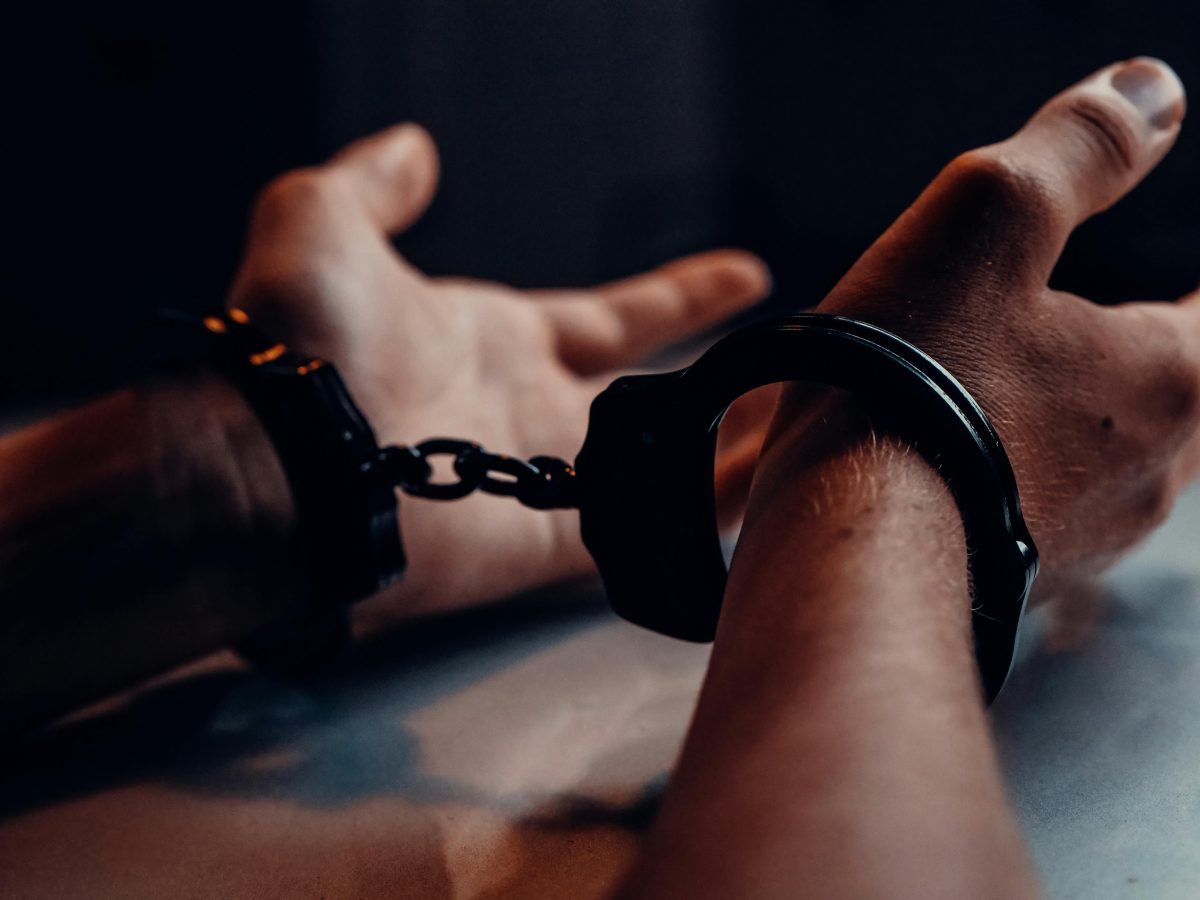
Crime is not a single, simple issue. It is shaped by economics, community stability, policing strategies, social support systems, seasonal changes, and how the justice system responds when someone is arrested. When people talk about crime rates going up or down, what they often have in mind is a mixture of these forces — and the reality is much more nuanced than a headline can show.
To understand how crime impacts everyday people, it helps to look at the patterns behind it, the factors that influence arrest numbers, and what actually happens after someone is taken into custody. Even though most people never experience the system firsthand, the moment an arrest occurs, a chain of processes begins behind the scenes that affects families, courts, and communities. One of those processes involves bail, a practice that has existed for centuries and continues to play a major role in how the justice system functions in the United States.
The Changing Landscape of Crime in America
Crime rates have never been static. They rise and fall based on dozens of overlapping influences, and looking at long-term trends helps separate fact from fear.
1. Violent crime has changed, not disappeared
In many states, violent crime today is significantly lower than it was in the 1980s and 1990s. National FBI data shows that violent crime in the U.S. has generally declined over the last two decades, though certain regions still experience concentrated spikes. The nature of violent crime has shifted: fewer burglaries, more domestic-related incidents; fewer car thefts in some regions, surges in others due to technology and organized rings.
2. Property crime fluctuates more than violent crime
Property crime tends to respond to economic stress, opportunity, and local policing levels. When fuel prices rise, catalytic converter thefts often increase. When tourism spikes, so do thefts targeting vehicles and visitors. Because these crimes rely on opportunity, they rise and fall more dramatically.
3. Seasonal crime patterns exist
Research consistently shows that certain types of crime increase during warmer months:
-
More outdoor activity
-
More travel and gatherings
-
More interaction among large groups
-
More alcohol-related incidents
In many jurisdictions, arrests increase in late spring and summer and taper off during the colder months. This directly affects courts, jails, and yes — even bail bond activity — because the number of arrests naturally influences how many people enter the pretrial system.
The Moment After an Arrest: What Actually Happens?
For many people, the criminal justice system feels like a black box. Once someone is arrested, it’s not always clear what happens next. Understanding the process helps demystify the system — and it highlights why certain long-standing services, like bail bonds, continue to play a role.
1. Booking and initial processing
After an arrest, the individual is transported to a local jail or holding facility. Officers take fingerprints, photographs, and gather identifying information. Charges are entered and preliminary paperwork is created.
2. Bail is set — either immediately or after a hearing
Depending on the jurisdiction, bail may be determined automatically (based on a schedule), or set individually by a judge at a first appearance hearing.
Bail serves one primary purpose:
➡ It ensures someone returns to court while allowing them to remain free during the pretrial phase.
It is not a punishment; it is not a judgment of guilt. It is simply a mechanism that balances the rights of the accused with the needs of the court.
3. Options when bail is set
Once bail is determined, the defendant or their family has several possible paths:
-
Pay the full bail amount directly to the court (refundable after case completion)
-
Remain in jail until trial
-
Use a licensed bail bond agent, who posts a bond assuring the court that the individual will appear
-
In some cases, qualify for release through unsecured bonds, pretrial programs, or recognizance
This is where bail bonds intersect with the larger picture. For many families, posting full cash bail is simply not possible. A bail bond offers a structured alternative that allows the defendant to return home, continue working, care for dependents, and prepare for their case.
Why Bail Matters in the Bigger Criminal Justice Conversation
While bail bonds may seem like a small piece of the system, their role can’t be overstated.
1. Bail affects employment, housing, and family stability
A person held in jail for days — or even hours — can lose:
-
Their job
-
Their childcare arrangements
-
Their ability to pay bills
-
Their place in school
-
Their stability at home
Release while awaiting trial helps limit the long-term consequences of an arrest, particularly when charges are later reduced or dropped.
2. Bail helps alleviate jail overcrowding
Many states face chronic overcrowding in detention centers. Bail releases help reduce pretrial jail populations — often the most flexible segment of jail activity.
3. Bail gives defendants a chance to prepare a defense
Defendants released on bond are more likely to:
-
Meet with their attorneys
-
Gather documents and testimony
-
Attend required programs
-
Fully participate in their defense
4. Bail bond agents often act as guides through a confusing process
Families going through an arrest often have no idea what will happen next. Bond agents — who work daily with courts, jails, and booking systems — often provide guidance on:
-
Which court is handling the case
-
When a defendant will be released
-
What paperwork is required
-
How to prepare for court dates
-
How to find basic information if families are overwhelmed
This is a critical service for people who suddenly find themselves facing serious and confusing legal processes.
Crime Trends, Public Perception, and the Need for Better Understanding
A single viral video or news headline can make it seem like crime is spiraling out of control. But reality is more complicated, and it varies dramatically by region.
-
Some cities experience waves of property crime while neighboring counties remain stable.
-
Some states see declines in violent crime while drug-related offenses rise.
-
Economic conditions, policing levels, and community resources heavily influence local patterns.
Understanding these trends helps create better policy, better public awareness, and better support systems for people caught in the justice system — including those who rely on bail to return to their everyday lives while awaiting court dates.
The Bottom Line: Crime Trends Affect Everyone, and Bail Is Part of the Larger Picture
Crime affects communities in obvious and subtle ways. When arrests go up, courts get busier. When courts get backed up, pretrial populations increase. And when populations rise, the need for services — including defense attorneys, victim services, pretrial monitoring, and yes, bail bond assistance — increases as well.
Whether crime is rising or falling, the justice system must keep functioning, and families must be able to navigate it. Bail remains one of the tools that help keep the system moving while protecting the presumption of innocence.
In a world where crime patterns shift with seasons, social changes, and economic pressures, understanding the system — from arrest to release — helps communities stay informed and helps individuals facing charges maintain stability during one of the most stressful periods of their lives.