Top Fluids Every Vehicle Owner Should Check
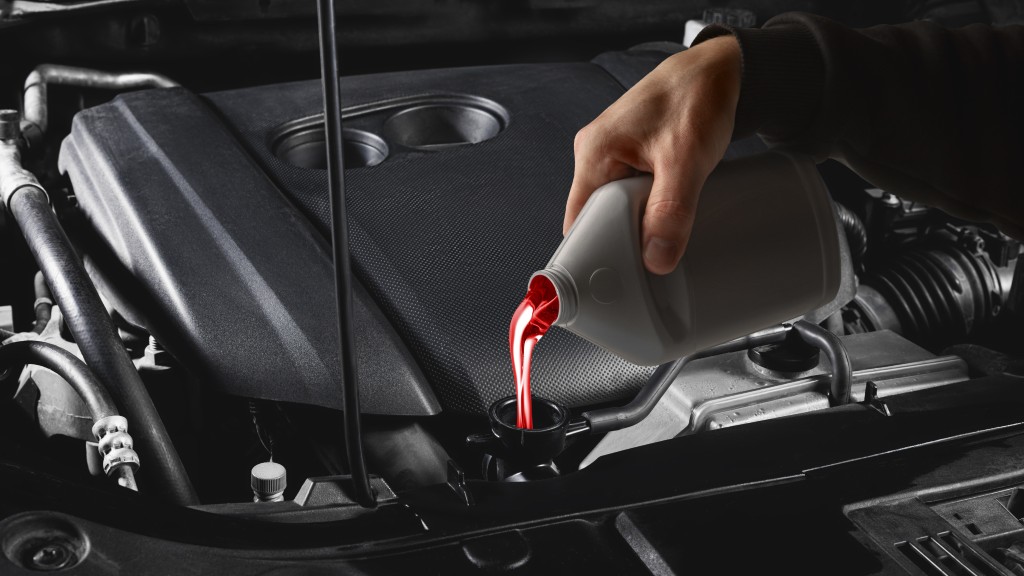
Your vehicle is a complex machine that relies on various liquids to function correctly and neglecting them often leads to expensive repairs or decreased performance. By dedicating a few minutes each month to inspection, you safeguard your investment and ensure a safer driving experience for everyone on the road. This guide covers the top fluids every vehicle owner should check to keep their automobile running smoothly for years to come.
Engine Oil: The Lubricant of Your Engine
Engine oil is the primary lubricant for the moving parts inside your engine. Without it, metal rubs against metal, creating immense friction and heat that can weld parts together and destroy the engine in minutes. Oil cleans the engine by picking up dirt and sludge and trapping them in the oil filter. Over time, heat breaks down the oil, reducing its ability to lubricate and cool the engine effectively.
How To Check Your Oil Level
To check your engine oil, start by parking your vehicle on a flat surface and letting the engine cool for a bit. Find the dipstick, which typically has a brightly colored yellow or orange handle, and remove it from its tube. After wiping it clean with a rag or paper towel, you reinsert it fully and pull it out again. The oil film should fall between the minimum and maximum marks on the stick. If it sits below the minimum mark, you must add the specific oil type recommended in your owner’s manual.
Inspecting Oil Quality
The condition of the oil matters just as much as the level. Fresh oil looks amber and transparent. Dark, black oil often indicates it is time for a change, though some oil darkens quickly without losing effectiveness. If the oil looks milky or frothy, this suggests coolant has leaked into the engine, which signals a serious mechanical failure requiring immediate professional attention.
Coolant: Preventing Overheating
Coolant, also known as antifreeze, regulates your engine’s temperature. It circulates through the engine block to absorb heat and then passes through the radiator to dissipate that heat into the air. In freezing temperatures, it prevents the water in the system from freezing and cracking the engine block. A lack of coolant leads to overheating, which can warp cylinder heads and blow gaskets.
Locating the Coolant Reservoir
You can usually find the coolant reservoir near the radiator. It is typically a translucent plastic tank with “min” and “max” lines molded into the side. You can check the level visually without opening the cap. If the liquid falls below the minimum line, add a 50/50 mix of coolant and distilled water, or a pre-mixed solution.
Safety First
Never open the radiator cap or the coolant reservoir cap when the engine is hot. The system operates under high pressure, and hot steam or liquid can erupt and cause severe burns. Always wait until the hood is cool to the touch before you attempt to open the system or add fluid.
Brake Fluid: Ensuring Safe Stops
Brake fluid transfers the force from your foot on the pedal to the brake calipers at the wheels. This hydraulic pressure clamps the brake pads against the rotors, slowing the vehicle down. If the fluid level drops too low, air can enter the lines, resulting in a “spongy” brake pedal and significantly increased stopping distances.
Checking the Master Cylinder
The brake fluid reservoir sits on top of the master cylinder, usually near the back of the engine bay on the driver’s side. Like the coolant tank, it is translucent. You should ensure the fluid level stays between the indicated markers. If you notice a significant drop in fluid, it usually indicates worn brake pads or a leak in the system.
Understanding Fluid Degradation
Brake fluid attracts moisture from the air over time. This water content lowers the boiling point of the fluid, which can cause brake fade during hard stops. Dark or cloudy fluid suggests contamination. Most manufacturers recommend flushing and replacing the brake fluid every two years to maintain optimal braking performance.
Power Steering Fluid: Maintaining Steering Ease
Power steering fluid creates a hydraulic link that allows you to turn the steering wheel with minimal effort. Without it, the steering becomes heavy and difficult to manage, especially at low speeds. When you turn the wheel, a whining noise often signals low fluid levels.
The Inspection Process
Many drivers do not know how to check and add power steering fluid, but the process is usually straightforward and involves locating the reservoir near the engine belts. Some cars use a translucent tank, while others have a dipstick built into the cap. You should check the level against the hot or cold markings, depending on whether the engine has been running.
Color and Consistency
Healthy power steering fluid usually appears red, pink, or clear. If the fluid looks brown or black, or if it smells burnt, the system likely needs a flush. Metal flakes in the fluid indicate internal damage to the steering pump or rack, necessitating a visit to a mechanic.
Transmission Fluid: Smooth Gear Changes
Transmission fluid serves a similar purpose to engine oil but for the gearbox. It lubricates the moving parts, cools the transmission, and provides hydraulic pressure for gear shifts in automatic vehicles. Low or dirty fluid causes slipping gears, rough shifting, or a transmission that refuses to engage.
Checking Automatic Transmissions
For many automatic vehicles, you check the transmission fluid with the engine running and the car in neutral or park. You use a dipstick like the oil dipstick, usually located further back in the engine bay. The fluid should look bright red and smell sweet. Dark brown fluid with a burnt odor indicates overheating and degradation.
Sealed Systems
Many modern vehicles feature sealed transmissions without a dipstick. Manufacturers design these “lifetime” fluids to last for extended periods, but they still require inspection by a professional at specific mileage intervals. Consult your owner’s manual to determine if your vehicle allows for a manual check or requires a mechanic.
Windshield Washer Fluid: Clear Visibility
While it does not affect the mechanical running of the engine, windshield washer fluid is vital for safety. Dust, mud, bird droppings, and bug splatter can obscure your vision in seconds. Using the wipers without fluid smears the mess and can scratch the glass.
Keeping the Tank Full
A cap with a windshield wiper symbol often identifies the washer fluid reservoir. Unlike other fluids, there is no maximum fill line you need to worry about strictly; you simply fill it until it is almost full. Using a dedicated washer fluid rather than plain water helps clean grime effectively and prevents freezing in winter.
Checking Sprayer Functionality
When you fill the tank, take a moment to test the spray nozzles. If fluid shoots over the roof or hits the base of the wipers, use a small pin to adjust the nozzle direction. Keeping these clear ensures the fluid hits the glass where the wipers can clean it most effectively.
Make Maintenance a Priority
Regular fluid checks are the first line of defense against major vehicle issues. By familiarizing yourself with the location and proper levels of these essential liquids, you take control of your vehicle’s health and safety. Neglect leads to costly repairs, but proactive care ensures reliability. Regularly reviewing the top fluids every vehicle owner should check gives you peace of mind and keeps your car on the road longer.