Essential Steps To Starting a Fitness Journey
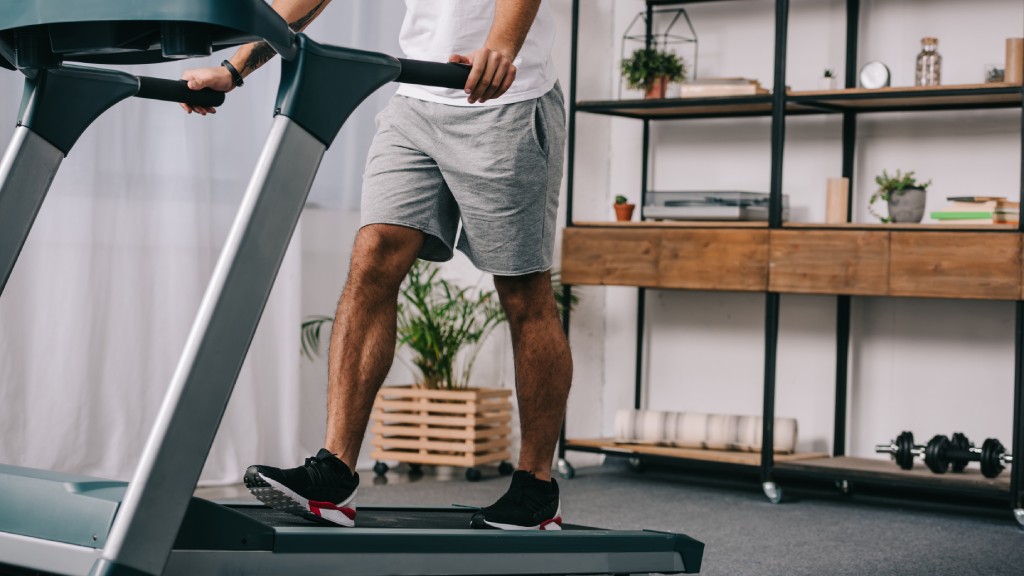
Embarking on a fitness journey often feels overwhelming, but prioritizing movement transforms both your mental clarity and physical health. You might feel uncertain about where to begin, yet the process becomes manageable when you break it down into actionable components. Understanding the essential steps to starting a fitness journey ensures you build a sustainable routine rather than burning out after a few weeks. By committing to this process, you invest in your future well-being and unlock a higher quality of life.
Step 1: Set Realistic Goals
Defining Clear Objectives
The most common mistake beginners make involves setting vague or overly ambitious targets. When you say you want to “get fit” or “lose weight,” you provide your brain with no specific direction or finish line. Instead, you must define exactly what you want to achieve in measurable terms. A specific goal provides a roadmap. You might decide to walk for twenty minutes during your lunch break three times a week. You might aim to complete a specific beginner’s yoga program within a month. These tangible targets give you something to check off your list, which triggers a sense of accomplishment and fuels your motivation to continue.
Avoiding the Burnout Trap
High motivation often strikes at the beginning of a fitness journey, leading people to commit to intense regimens they cannot maintain. You might feel tempted to work out for an hour every day, but life will inevitably get in the way. Work deadlines, family obligations, or fatigue will arise. When you miss a session in an overly rigid schedule, you may feel like you failed and quit entirely. Setting a realistic goal means choosing a frequency and intensity you can stick to on your worst days, not just your best days. Consistency beats intensity when you are building a new lifestyle.
Step 2: Find Activities You Enjoy
Exploring Different Options
Many people associate exercise with suffering. They imagine grueling runs on a treadmill or lifting heavy weights in a crowded gym. If you despise those activities, you will not stick with them for long. Physical activity encompasses a vast range of movements. You could take a dance class, go hiking in a local park, swim laps at a community pool, or join a recreational sports league. You might prefer gardening, cycling around your neighborhood, or practicing Pilates in your living room. The key is to experiment with various forms of movement until you find something that sparks joy. When you look forward to the activity itself, exercise transforms from a chore into a rewarding part of your day.
Listening to Your Preferences
Consider your personality when choosing your activity. Some people thrive in group settings where an instructor pushes them and peers provide accountability. Others view exercise as a solitary time to decompress and prefer running alone with headphones. Understanding what environment makes you feel comfortable is crucial. You should also consider your physical needs. For example, if you have joint pain or haven’t moved in a while, jumping right into high-impact sports might be painful. Instead, remember that low-impact cardio is great for your body because it elevates your heart rate and improves cardiovascular health without placing undue stress on your knees and hips.
Step 3: Start Slowly and Gradually Increase
Pacing Yourself Effectively
Impatience leads to injury. When you start a new program, your muscles, tendons, and ligaments need time to adapt to the new stress you place on them. If you rush the process, you risk pulling a muscle or developing shin splints, which will force you to stop exercising entirely while you recover. Start with a duration and intensity that feels almost too easy. If you can only walk for ten minutes without feeling winded, then walk for ten minutes. There is no shame in starting small.
Understanding Intensity Levels
You do not need to leave every workout soaking in sweat or gasping for air to make progress. A good rule of thumb for beginners is the “talk test.” You should be able to carry on a conversation while you exercise. If you can sing, you might need to push a little harder. If you cannot speak a full sentence without gasping, you should probably slow down. As your fitness improves, you can gradually increase the challenge. You might add five minutes to your walk, lift a slightly heavier weight, or increase your pace. This concept of progressive overload ensures your body continues to adapt and grow stronger over time without overwhelming your system.
Step 4: Make It a Habit
Scheduling Your Sessions
Treat your workouts like any other important appointment. Look at your weekly calendar and block out specific times for exercise. Some people prefer working out first thing in the morning, while others use it to de-stress after work. Schedule these sessions and protect that time. To make it easier, prepare ahead by laying out your workout clothes the night before or packing your gym bag. If you need them, check out Fairtex Store – Boxing Gloves to give you the extra motivation to really take on a proper fitness journey. These small steps reduce the friction that might stop you from exercising.
Start A Sports Team
If your favorite activity includes playing a certain sport, like soccer, then think about making a team with some friends – or posting about it on local social media channels to encourage others to join. Design a kit using Pendle Sportswear, find somewhere to train/play games, and join a league. You’ve now got a schedule to follow week after week: training midweek followed by a game on the weekend. It’s the easiest way to slip into a routine and make fitness a habit.
Overcoming Common Excuses
There will be days when you feel tired, stressed, or simply lazy. These are the moments that define your journey. You need a strategy for when your brain tries to talk you out of movement. One effective method is the “five-minute rule.” Tell yourself you will do your chosen activity for just five minutes. If you still want to stop after five minutes, you can. Most of the time, simply starting is the hardest part. Once you begin moving, the endorphins kick in, and you will likely finish the workout. Relying on discipline and routine rather than willpower ensures you stay on track even when your motivation wanes.
Step 5: Track Your Progress
Using Technology To Help
Tracking creates a feedback loop that reinforces your new habit. When you see data that proves you are showing up for yourself, you feel proud. You can use a simple wall calendar and mark an “X” on every day you exercise. Seeing a chain of X’s creates a psychological desire not to break the streak. Alternatively, you can use smartphone apps or wearable fitness trackers to log your steps, distance, or time. These tools provide objective evidence of your effort. Watching your stats improve over weeks and months serves as a powerful reminder of how far you have come.
Celebrating Non-Scale Victories
Many people start exercising to change their appearance, but the scale is often the least reliable measure of health. Muscle weighs more than fat, so you can get smaller and stronger without much change in weight. Focus on other signs of progress, such as more energy in the afternoons, better sleep at night, carrying groceries with ease, or climbing stairs without getting winded. These non-scale victories show your body is functioning better and help keep you motivated to continue.
Embrace a Healthier Lifestyle
Adopting a more active lifestyle requires patience and a willingness to learn about your own preferences. You will face days where motivation is low, but relying on discipline and habit will carry you through. Focus on how movement makes you feel rather than just how it changes your appearance. By integrating these essential steps to starting a fitness journey, you build a resilient body and a sharper mind, setting the stage for a vibrant, healthy future.