Packaging Strategies To Reduce Shipping Damage
Shipping damage destroys customer trust and eats into profit margins faster than almost any other operational failure. When a customer receives a broken item, the excitement of the unboxing experience instantly turns into frustration, leading to returns, negative reviews, and lost future sales. Implementing effective packaging strategies to reduce shipping damage protects the product, safeguards the reputation of the brand, and ensures long-term profitability.
Understanding Common Causes of Shipping Damage
Packages endure a significant amount of stress during transit, and understanding these forces helps businesses engineer better solutions. Impact damage occurs most frequently during the loading and unloading process or when automated sorting machines drop parcels onto conveyor belts. Even a short drop can shatter fragile items if the internal cushioning fails to absorb the shock.
Compression is another major threat that shippers often overlook. Boxes stacked on pallets or in delivery trucks must support the weight of the packages above them. If a box lacks sufficient vertical strength, the walls buckle, crushing the contents inside. Moisture and humidity changes further exacerbate this issue by weakening the cardboard fibers, causing them to lose rigidity. Vibrations from trucks and airplanes can also loosen internal components or cause items to rub against each other, leading to scuffs and abrasion.
Choosing the Right Packaging Materials
The outer container is the primary protection against shipping hazards. Selecting the correct box strength is critical for ensuring the product survives the journey. Single-wall corrugated boxes might suffice for lightweight items, but heavy or fragile goods demand double-wall or even triple-wall construction. The edge crush test (ECT) rating helps shippers determine how much stacking weight a box can withstand before buckling.
Box size matters just as much as the material strength. A box that is too large allows the item to bounce around during transit, increasing the velocity of any impact. Conversely, a box that’s too small can transfer the force of an impact directly to the item inside. A general rule involves leaving at least two inches of space between the product and the container walls to allow for adequate cushioning.
Internal Packaging Techniques
Internal packaging must prevent movement inside the box and isolate the product from shock. Cushioning materials absorb impact energy, while void fill occupies empty space to stop shifting. The choice of material depends on the fragility and weight of the item. Bubble wrap offers excellent protection for fragile glass or electronics by suspending the item in a layer of air. Foam inserts provide a custom fit that locks items in place, preventing them from migrating toward the box walls.
Sustainability is becoming a major factor in material selection. Using paper as void fill in packaging offers several benefits, including effective shock absorption and biodegradability, making it an eco-friendly choice for environmentally conscious consumers. Paper works exceptionally well for blocking and bracing heavier items that might compress softer materials like air pillows. Air pillows are a lightweight option that reduces shipping costs, but they are susceptible to puncture and may not hold up well under extreme pressure.
External Packaging Strategies
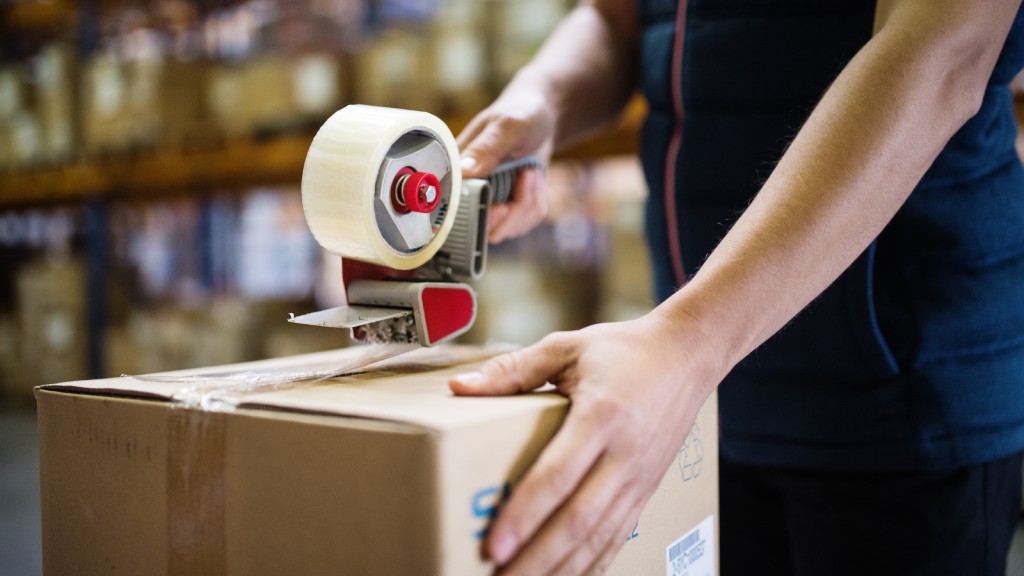
A strong box provides little protection if the seal fails during transit. The H-taping method offers the most security for standard slotted containers. This technique involves applying tape along the center seam and both edge seams, creating an ‘H’ shape that reinforces the structure and prevents the flaps from popping open. Water-activated tape bonds directly to the corrugated fibers, creating a tamper-evident seal that is significantly stronger than standard pressure-sensitive plastic tape.
Palletized shipments require additional external reinforcement to prevent shifting and crushing. Corner boards and edge protectors add vertical strength to the stack, allowing it to withstand tighter strapping without damaging the boxes. Shrink wrap should secure the entire load to the pallet base, preventing individual boxes from sliding off during transport.
Proper Labeling and Handling Instructions
Clear communication with the carrier helps prevent mishandling before the package even leaves the warehouse. Labels indicating “Fragile” or “This Side Up” provide visual cues to human handlers, alerting them to exercise extra care. However, relying solely on stickers is risky, as automated sorting systems cannot read them and will treat the package like any other.
You should place the shipping label itself on the largest flat surface of the box to ensure legibility. Placing labels over seams, corners, or sealing tape increases the risk of the barcode becoming distorted or torn. If the scanner cannot read the barcode, the package may require manual handling, which introduces another opportunity for drops or delays. High-quality thermal printers ensure the label remains readable even if exposed to friction or moisture.
Partnering With Reliable Carriers
Not all carriers handle packages with the same level of care or efficiency. Some prioritize speed over safety, while others specialize in handling delicate freight. Analyzing carrier performance data helps identify patterns of damage. If a specific carrier consistently delivers damaged goods on a particular route, it may indicate systemic issues in their local hubs or sorting facilities.
Negotiating service level agreements that include specific handling requirements can hold carriers accountable for the condition in which they deliver goods. Diversifying the carrier mix allows businesses to choose the best provider for specific product types. For example, a carrier with a specialized white-glove service might be the best choice for large furniture, while a standard courier works perfectly for clothing.
Insurance and Damage Claims
Even the most robust packaging cannot prevent every accident, making financial protection a necessity. Shipping insurance provides a safety net when prevention fails. Standard carrier liability often covers only a fraction of the item’s value or excludes specific types of damage, leaving the merchant to cover the loss.
Third-party shipping insurance often offers more comprehensive coverage and processes claims faster than carriers. Taking photos of your packaging process proves you packed the item correctly and according to industry standards. This evidence is crucial when filing a claim, as carriers often deny reimbursement if they suspect insufficient packaging caused the damage.
Protect Your Brand
Reducing breakage requires a holistic approach that combines high-quality materials, smart internal engineering, and reliable logistics partners. Investing in these areas upfront saves money on returns and preserves customer loyalty in the long run. By consistently reviewing and refining these packaging strategies to reduce shipping damage, businesses can ensure their products arrive safely and their brand reputation remains intact.