Signs Your Warehouse Needs a Safety Inspection
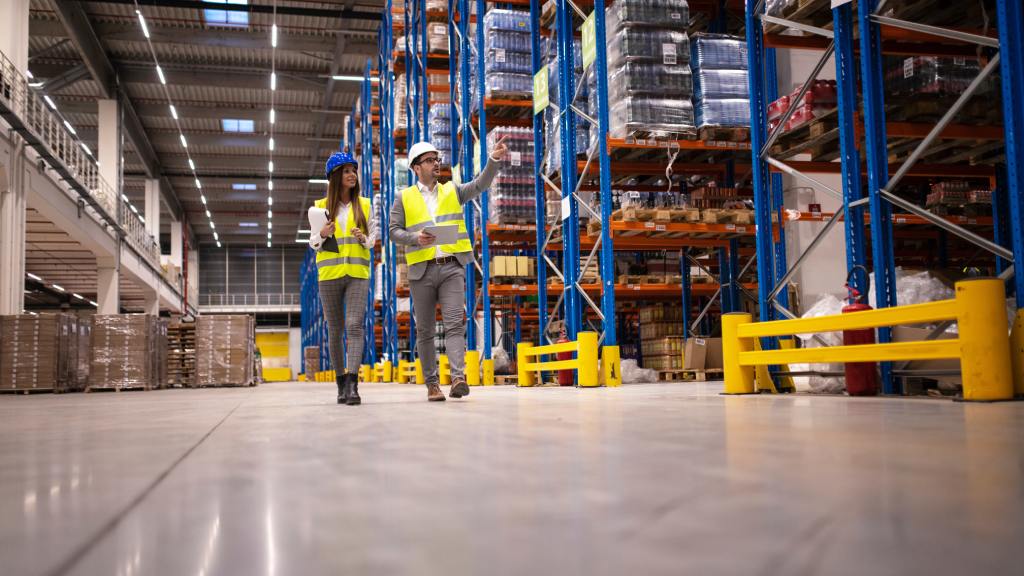
A busy warehouse is a symphony of controlled chaos. Forklifts zip around corners, pallets sit at dizzying heights, and ground staff navigate narrow aisles to fulfill orders. In this environment, the line between productivity and danger is incredibly thin. While most facility managers prioritize speed and efficiency, safety often sits quietly in the background—until something goes wrong.
Waiting until an accident occurs before reviewing your safety protocols is a strategy destined for failure. The costs associated with workplace injuries, damaged inventory, and regulatory fines far outweigh the investment of a routine check-up. More importantly, the human cost of negligence is something no business should ever have to calculate.
Look for warning signs that your warehouse needs a safety inspection. Here are five clear indicators that your warehouse requires this inspection to keep your inventory, equipment, and team safe.
1. You Are Experiencing a Rise in “Near-Miss” Incidents
A “near-miss” is an unplanned event that did not result in injury, illness, or damage—but had the potential to do so. In many warehouses, the team might laugh off or ignore these moments. A driver swerves to miss a pedestrian, a pallet wobbles precariously but doesn’t fall, or a worker trips over debris but catches themselves.
Ignoring these red flags is a critical error. According to the safety pyramid theory, for every major injury, there are dozens of minor injuries and hundreds of near-misses. These incidents are data points. They are telling you that your current safety measures are failing. You could be close to experiencing a real injury, one that harms an employee enough where they’re well within their rights to contact a personal injury lawyer. The harm caused to both them and your business could be significant.
If your incident logs are showing an upward trend in near-misses, or if you hear anecdotal evidence from floor managers that “close calls” are happening more frequently, it is time for an inspection. An inspector can identify the root causes—whether it is poor aisle layout, inadequate lighting, or insufficient driver training—and recommend changes before luck runs out and a near-miss becomes a serious accident.
2. Visible Damage to Racking Systems
Your pallet racking is the backbone of your storage capability, but it is also vulnerable. In the hustle of daily operations, forklift impacts are common. A nudge here or a scrape there might seem insignificant, but steel racking relies on precise geometry to hold thousands of pounds of inventory. This is why it is crucial to spot early warning signs of pallet rack damage to avoid potential disasters and accidents in your warehouse.
Walk your aisles and look closely at the uprights and beams. Are there dents at the base of the columns? Is the paint scraped off at specific heights? Do any beams look like they are sagging under the weight of the pallets?
Even a minor dent can significantly reduce the load-bearing capacity of an upright. If a localized impact has deformed a column, even a small deformity can compromise the bay’s structural integrity. If you see visible damage or missing parts, you need a qualified inspector to assess the severity and determine if you need to unload and replace the racks.
3. Changes to Warehouse Layout or Equipment
Warehouses are dynamic. As your business grows, you might rearrange aisles to accommodate more stock, change the type of pallets you use, or upgrade your forklifts to newer, faster models. However, racking systems work best in a specific configuration and load profile.
If you have recently reconfigured your racking (changed beam heights, moved aisles) without a professional sign-off, you are operating in a danger zone. Moving beams can alter the frames’ capacity. What was safe in the original configuration might be structurally unsound in the new one.
Similarly, introducing new material handling equipment (MHE) can create risks. If you switch to a forklift with a wider turning radius or a different reach mechanism, your existing aisle widths might no longer be safe. A safety inspection will verify that your current layout matches the engineering specifications of your racking and that your equipment interacts safely with your infrastructure.
4. Employee Feedback and Morale Issues
Your warehouse staff are the experts on the ground. They interact with the environment for eight to twelve hours a day. They know which forklift has dodgy brakes, which aisle feels too dark, and which rack wobbles when you load the top bay.
Unfortunately, in many organizations, there is a disconnect between the floor staff and management. If workers stop reporting safety issues because they feel ignored, you lose your most valuable warning system. A dip in morale or an increase in complaints about working conditions can often stem from a feeling of being unsafe.
Pay attention to the informal chatter. Are drivers avoiding certain aisles? Are pickers complaining about having to climb or reach awkwardly? If your team is expressing concern, do not dismiss it as complaining. Treat it as a valid diagnostic tool. Bringing in an external inspector demonstrates that you take the facility’s safety seriously, which can boost morale and help identify the hazards your team is concerned about.
5. Missing or Outdated Load Capacity Signage
Walk to the end of your racking aisles. Do you see a load capacity plaque? Is it clean, legible, and current? Or is it faded, covered in stickers, or missing entirely?
Load application and caution signs are not just decorations; they are critical communication tools required by safety standards. They tell your forklift operators exactly how much weight each beam and bay can handle. Without this information, your team is guessing. When working with heavy machinery and heavy loads, thinking is dangerous.
If your signage is missing, it implies that your safety management system has lapsed. It also suggests that you might not actually know the current rated capacity of your racks, especially if they have been repaired or reconfigured over the years. An inspection will help you re-establish these baselines and ensure that accurate, compliant signage is displayed throughout the facility.
Prioritizing Prevention Over Reaction
The presence of any one of these signs in your warehouse warrants a phone call to a professional safety inspector. If you spot multiple signs, the situation is urgent, so contact someone to come out for an emergency inspection.
Routine inspections should be part of your operational calendar, regardless of visible damage. Most standards recommend an expert inspection at least once every 12 months, supplemented by weekly or monthly internal checks.
A safe warehouse is an efficient one, where operations flow smoothly without interruptions caused by accidents or equipment failure. Don’t wait for the crash to tell you something is wrong. Listen to your warehouse; it’s telling you it needs help.