What You Should Do If Your New Car Has a Defect
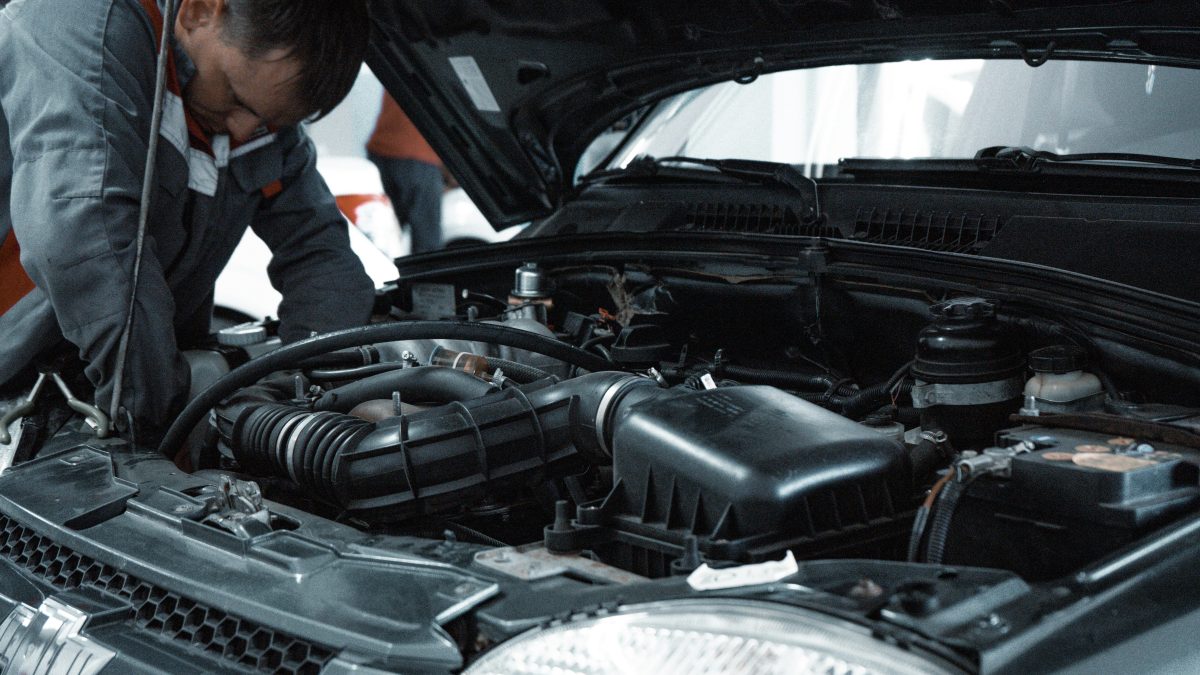
When you purchase a new car, you’ll have high expectations for a smooth drive. Hence, you’d find it strange if a car you recently purchased doesn’t function properly. Some brand-new vehicles may have manufacturing errors or software glitches. The presence of faulty components in any of the car’s parts can also make it malfunction.
Depending on how bad the defect is, it can cause unexpected mechanical problems that sometimes cause accidents. Since car defects pose safety threats, you need to find a solution immediately. Read on to figure out what to do if you discover that your vehicle is defective.
Identify the Type and Severity of the Defect
Care defects vary in nature and manifest through different signs. While the signs sometimes overlap, experienced drivers can observe them and trace the issue to its source. For example, overheating, excess fuel consumption, or acceleration issues are often indicators of a faulty engine. You must trace the source of the issues to determine if the defect is dangerous.
Report the Problem Immediately
New cars come with warranties, but they can become void if you delay reporting the issue. So, once your new car begins to malfunction, don’t take it to a third-party mechanic. Instead, contact the dealership where you purchased it and file a complaint.
But this is especially important if the issue may be covered under a manufacturer warranty, because the repair needs to be properly logged and handled through the right channels. Alright, so for example here, Nissan owners may need to schedule Nissan service through an authorized dealership so trained technicians can inspect the problem, document the concern, and complete any needed repairs without creating warranty confusion.
If you can’t drive to their location, call the officials or email them. Provide the full details of your vehicle, state the purchase date, explain the nature of the problem, and relay any warning signs that appear on the dashboard.
Give the Dealership Enough Time to Conduct Repairs
After your report, trained auto technicians at the dealership will attempt to repair the car. In some cases, their efforts are successful. However, if the issue recurs, they may have to work on your vehicle repeatedly.
Don’t rush them while they work, as repeated attempts to fix the same issue can help you qualify for a replacement or a refund. So, note the number of repairs and days spent in the shop, as excessive downtime can help establish your consumer rights.
Keep Detailed Records From the Start
To prevent confusion and future disputes, you must document every step in the process. Note the date of each repair, keep all receipts, invoices, descriptions of the work done, emails, texts, calls, and communication logs.
These records serve as evidence that helps you prove the defect and its effect on your car. If legal action becomes necessary, you can also use it to show that you gave the dealership sufficient time to work on the car.
Escalate the Issue to the Manufacturer
Not all vehicle manufacturers use AI for quality control. As a result, some issues go unnoticed until the car reaches the buyer. Hence, you should notify the manufacturer if the dealership can’t fix the problems before the warranty period elapses.
Alternatively, you can ask the manufacturer to replace the car if it poses significant safety risks or the issue degrades its value. If they do not comply, enlist the help of a lemon law attorney Long Beach to file a lawsuit and pursue a replacement or refund.
Endnote
Your new car may have a defect, requiring you to trace the affected part and determine whether the issue poses a safety risk. If it does, report it to the dealership and keep a record of the repairs. Should the problem persist, confirm your eligibility for a replacement or refund and then contact the manufacturer before the warranty expires.