Grinding Coffee Beans: Tips for the Best Brew
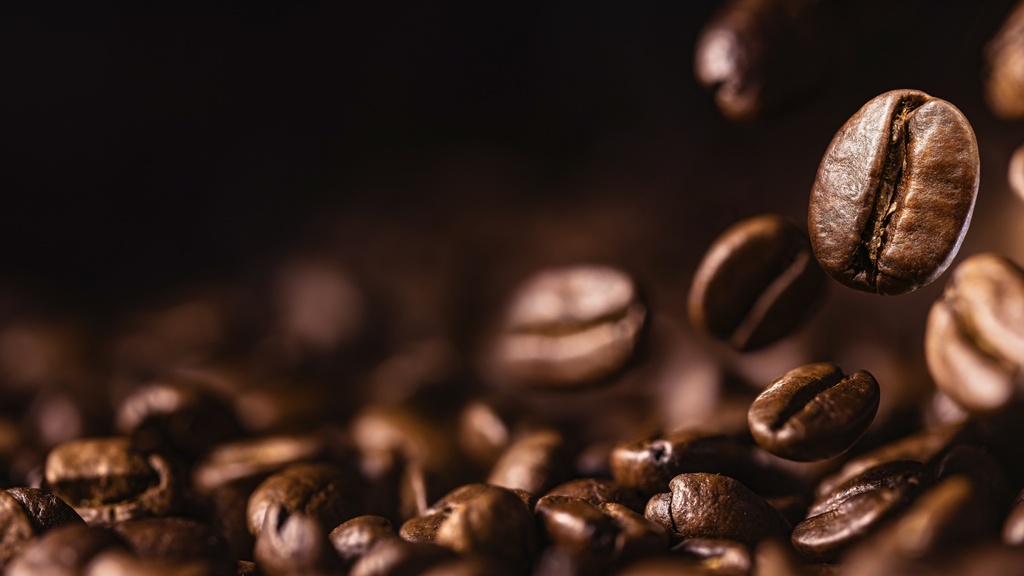
We all know the feeling. You walk into your favorite local coffee shop in Long Beach, and the smell hits you immediately. It’s rich, inviting, and promises a caffeine kick that will power you through a humid Mississippi morning. But when you get home and try to recreate that same magic with a bag of store-bought grounds, something is missing. The flavor falls flat, or worse, it tastes bitter and muddy.
The likely culprit in this disconnect is coffee bean grind, from the size to their freshness. Explore our favorite tips for the best brew by learning about grinding coffee beans the right way.
Why Freshness Matters
Oxygen is the enemy of flavor. Inside every roasted coffee bean, carbon dioxide and aromatic oils are trapped within a cellular structure. Breaking that bean open exposes the surface area to oxygen. This oxidation process causes the coffee to stale rapidly.
Think of it like cutting an apple. If you slice an apple and leave it on the counter, it turns brown and mushy. If you cut it right before you eat it, it stays crisp and sweet. Coffee works the same way. By keeping the beans whole until the very last moment, you protect the flavor integrity.
Understand Grind Sizes
The size of your coffee grounds dictates how fast water flows through them. This contact time determines how much flavor extracts from the beans. If the water passes through too quickly, the coffee tastes sour and weak (under-extracted). If it sits too long, the coffee becomes bitter and astringent (over-extracted).
The goal is to match the grind size to your brewing method. Different machines operate at different speeds and pressures, so they require different particle sizes.
- Coarse Grind: Look for chunks resembling sea salt. This size allows water to move freely around the particles without extracting too much bitterness.
- Medium Grind: This texture looks like regular sand. It’s the most versatile size and works well for standard drip coffee makers found in most homes.
- Fine Grind: Think table salt. The particles pack together tightly, creating resistance against the water. This is essential for methods that use pressure.
- Extra Fine: This is like powdered sugar or flour. It is intense and used for very specific, strong brewing styles.
Matching Grind to Method
If you use a French press or AeroPress, you generally need a coarser grind. The metal mesh filters in these devices allow water to soak with the grounds for several minutes. If you use fine grounds here, you will end up with a cup full of sludge and a very bitter taste. The coarse particles allow for a long steep time without over-extracting.
For your standard automatic drip machine—the kind sitting on most counters from Pass Christian to Biloxi—a medium grind is the sweet spot. The water flows through the paper basket at a steady pace. Medium grounds provide enough surface area for the water to grab the flavor as it passes through, but they’re coarse enough to prevent the filter from clogging.
Espresso machines require a fine grind. Because espresso uses high pressure to force water through a puck of coffee, the grounds must be fine enough to create resistance. If the grind is too coarse, the water shoots right through, giving you a watery, sour shot.
The Tool for the Job: Burr vs. Blade
You might have a small grinder in your cabinet already. If it has a spinning metal blade at the bottom, you have a blade grinder. While better than nothing, blade grinders are inconsistent. They chop the beans violently and unevenly. You end up with chunks that are too big and dust that is too small. This leads to an uneven extraction, where some grounds brew too fast and others too slow.
A burr grinder is the superior choice. Instead of chopping, it crushes the beans between two abrasive surfaces (burrs). You can adjust the distance between these burrs to control the exact size of the grind. The result is uniform particles that brew evenly.
Burr grinders come in two main types:
- Conical Burrs: These are quieter and spin slower, which generates less heat. Heat can damage the oil in the beans before you even brew.
- Flat Burrs: These are often found in commercial settings but are available for home use. They’re extremely precise but are louder and more expensive.
Dial in Your Flavor
Even with the right equipment, you might need to tweak things. Coffee beans are an agricultural product. They change based on the roast level, the origin, and even the age of the beans.
If your morning cup tastes sour, acidic, or salty, your grind is likely too coarse. The water moved through too fast and didn’t grab enough sugar to balance the acid. Try adjusting your grinder to a finer setting.
In contrast, if the coffee tastes bitter, hollow, or like cardboard, your grind is probably too fine. The water spent too much time with the grounds and pulled out unpleasant compounds. Coarsen up the grind a notch or two.
Maintenance and Cleaning
Coffee oils are sticky. Over time, they build up inside your grinder and turn rancid. If you don’t clean your equipment, that stale oil will coat your fresh grounds, ruining the flavor you worked so hard to achieve.
Cleaning a burr grinder is straightforward:
- Brush It Out: Most grinders come with a small stiff brush. Use it to sweep out old grounds from the chute and burrs weekly.
- Wipe the Hopper: The plastic container that holds the beans can get oily. Wipe it out with a dry paper towel. Avoid using water on the internal metal parts, as they can rust.
- Deep Clean: Every few months, use specialized grinder cleaning tablets. You run them through the machine like coffee beans, and they absorb the oils and dislodge stubborn particles.
Enjoy the Ritual
There is something satisfying about the noise of the grinder in the morning. It signals that the day is starting. The aroma fills the kitchen before the water even hits the grounds. Taking that extra minute to grind fresh forces you to slow down.
Here on the Coast, we know how to appreciate the good things in life. We don’t rush a sunset, and we shouldn’t rush our coffee. By using these tips for the best brew and paying attention to how you’re grinding coffee beans, you respect the effort of the farmers who grew the beans. But mostly, you respect your own morning experience.