How To Avoid Property Damage in Public Grounds Maintenance
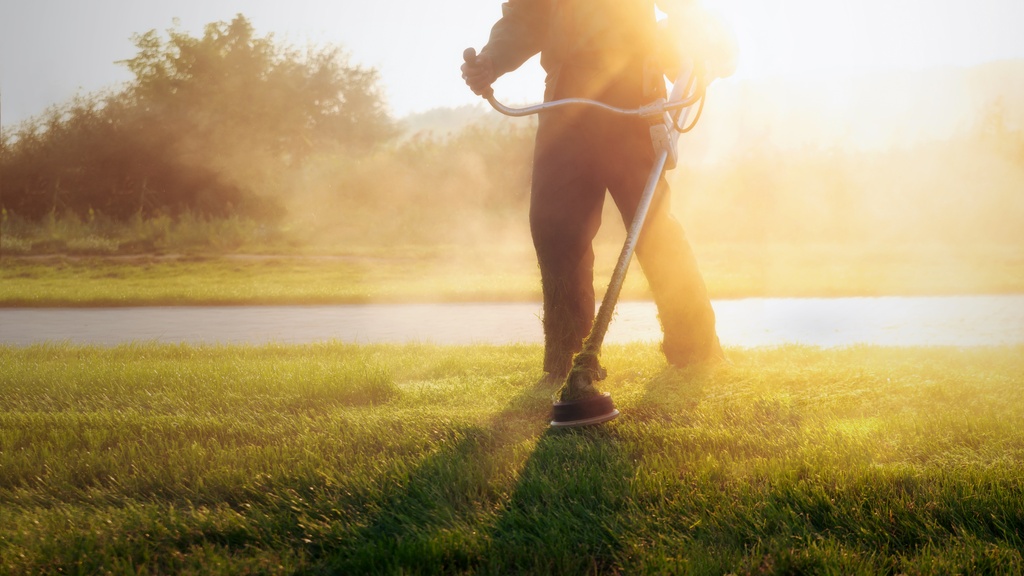
Public grounds maintenance is essential to keeping parks, schools, municipal buildings, and shared community spaces safe and visually appealing. Unlike private properties, public sites often feature complex infrastructure and handle high volumes of pedestrian and vehicular traffic. That combination increases the likelihood that even routine mowing or trimming can result in unintended damage.
Because public property maintenance schedules occur on a routine basis, small mistakes can become repeated issues if not properly addressed. Preventing property damage in public grounds maintenance starts with being intentional about how work is prepared, carried out, and monitored on-site, and we’re here to walk you through that process.
Understand the Unique Risks of Public Properties
Public grounds present challenges that are less common in residential settings. A great example is irrigation systems. These tend to be larger and more intricate, with extensive sprinkler zones, valve boxes, and shallow water lines spread across wide areas. Decorative elements such as monuments, signage, playground equipment, fencing, and outdoor lighting often sit directly within turf or landscaped sections.
High-traffic exposure also increases risk. Maintenance crews may operate near pedestrians, parked vehicles, or public roadways. A mower discharging debris in the wrong direction or a trimmer used too aggressively can cause damage that extends beyond landscaping features.
It’s worth noting as well that public sites will almost always contain underground utilities that support lighting, drainage, and irrigation systems. Without careful attention to layout maps and visible markers, equipment operation can unintentionally disrupt these systems.
Conduct Detailed Site Assessments Before Routine Work
Even when servicing the same property regularly, you should never skip site assessments. Conditions can shift due to weather, erosion, vandalism, or newly installed infrastructure. A brief walkthrough before beginning work allows crews to identify new obstacles, exposed irrigation heads, uneven terrain, or recently added signage.
Documentation during these assessments provides an added layer of protection. Photographing pre-existing cracks in sidewalks, damaged curbs, or worn turf areas establishes a clear record of site conditions. This practice can help clarify responsibility if questions arise later.
Be sure to tailor maintenance plans to the specific environment. In coastal or low-lying regions, saturated soil and erosion can make heavy equipment more likely to cause rutting or ground instability. Adjusting mowing routes, limiting equipment weight, or postponing work after heavy rainfall can prevent structural and surface damage. Public grounds located near water features or steep drainage areas may require modified access paths or specialized equipment to reduce strain on landscaping and infrastructure.
Train Crews for Situational Awareness and Precision
Equipment proficiency goes beyond knowing how to start and stop machinery. Operators must understand how their equipment interacts with the surrounding environment. Mower discharge patterns, blade height adjustments, and trimmer angles all influence the likelihood of accidental impact damage.
Directing debris away from buildings, vehicles, and pedestrian areas significantly reduces risk. When operating near delicate features such as fencing, HVAC units, or signage, lowering the throttle and maintaining controlled movements helps prevent surface scarring or breakage.
Ongoing training helps reinforce more consistent standards. Supervisors can conduct periodic field observations to ensure teams handle equipment carefully and safely. Reinforcing expectations around precision and awareness helps establish damage prevention as part of routine performance.
Protect Irrigation Systems and Fixed Infrastructure
Irrigation systems are among the most vulnerable components in public grounds maintenance. Repeated contact from mower wheels or trimming equipment can crack sprinkler heads and damage valve boxes. Clearly mapping irrigation layouts and marking heads when necessary helps crews avoid repeated impact.
Protective collars around sprinkler heads provide additional defense against breakage. Valve boxes should remain clearly visible and accessible rather than buried or obscured by overgrowth. Routine inspections of these systems can identify minor issues before they escalate into larger repairs.
Public infrastructure such as benches, sculptures, historical markers, playground structures, and lighting fixtures requires similar caution. Slowing down in high-density areas and switching to smaller equipment when appropriate reduces the likelihood of contact damage. Establishing designated equipment paths can help preserve turf and prevent repeated stress on the same areas.
Manage Traffic and Public Interaction Carefully
Public grounds often remain accessible during maintenance activities. This creates the need for thoughtful traffic and pedestrian management. Temporary signage, cones, or barriers can guide foot traffic away from active work zones and reduce the risk of debris-related damage.
When operating near parking lots or roadways, crews should establish safe buffer zones. Coordinating maintenance schedules during lower-traffic hours can further limit exposure to vehicles and bystanders. Clear visual markers help define work areas and prevent unintended encroachment into sensitive spaces.
Communication among crew members is equally important. Using spotters when maneuvering large equipment near structures or tight spaces adds an extra layer of oversight. Coordinated teamwork reduces blind spots and improves overall site control.
Maintain Clear Communication and Documentation Practices
Strong communication with municipal representatives or property managers is one of the best ways to ensure you avoid property damage during public grounds maintenance routines. Service agreements should clearly outline the scope of work, designated service areas, and responsibilities for marking underground utilities. When on-site changes occur, notify maintenance teams promptly so they can adjust procedures accordingly.
Detailed service logs provide transparency and accountability. Recording weather conditions, equipment used, and any unusual site observations creates a reliable reference if concerns arise. Taking photo documentation periodically throughout the service contract helps further strengthen recordkeeping practices.
If minor damage occurs, prompt reporting and documentation will help prevent escalation. Establishing clear internal protocols for addressing incidents like these better ensures consistent responses across crews and properties.
Incorporate Ongoing Risk Review and Adjustment
Public grounds maintenance is continuous, which means procedures should evolve as conditions change. Reviewing incident reports and near-miss events can reveal patterns that require procedural adjustments. Small operational changes, such as modifying mowing routes or adjusting equipment settings, often produce measurable improvements over time. Taking the time to create a safer ROW mowing plan will pay off in the long run.
Don’t forget to take the time to review insurance policies periodically to confirm that coverage aligns with the scale and scope of services provided. Expanding service areas or adding specialized maintenance tasks can increase exposure, making regular policy evaluation an important part of risk management.