The Mississippian’s Guide to Pickup Truck Maintenance
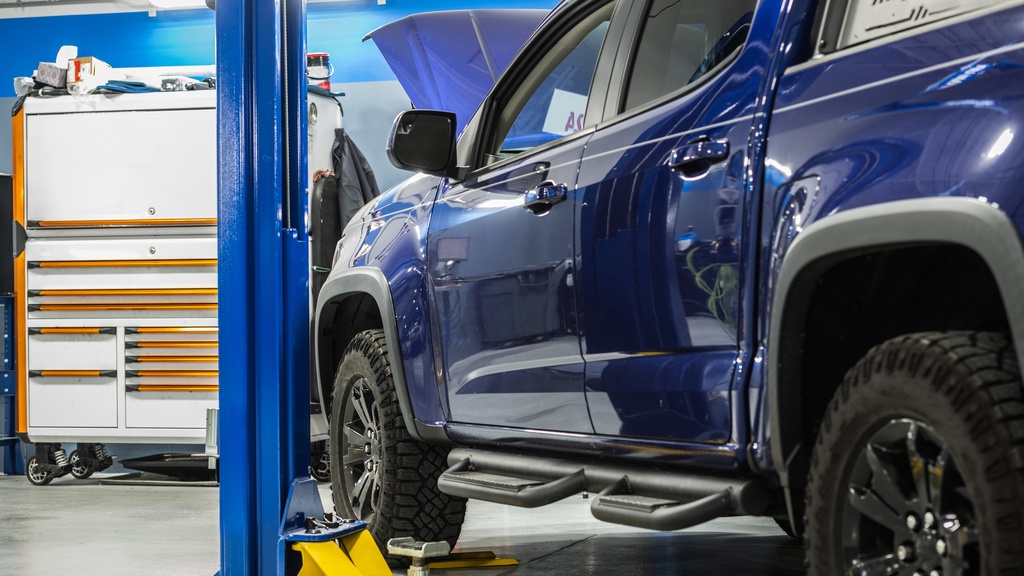
A pickup truck does more than commute on the Mississippi Gulf Coast. It hauls mulch and lumber, tows boats and trailers, runs errands between shifts, and still needs to start on a damp morning when a storm line rolls in from the Sound. Our mix of heat, humidity, salt air, sudden downpours, and stop-and-go traffic can wear a truck down in ways that don’t show up in drier places. That’s why Mississippians must prioritize maintenance for their pickup trucks, and our guide below will explain exactly how to do just that!
Start With the Coast’s Biggest Enemies: Heat, Moisture, and Salt
Humidity accelerates corrosion and makes electrical gremlins more likely. Salt air and salty spray do the same, especially if you drive near the beach, park outdoors, or launch boats.
Heat increases fluid breakdown and punishes batteries. Rain and standing water stress brakes and wheel bearings. If you treat these conditions as your baseline, your decisions get simpler: you prioritize protection, seals, clean contact points, and parts that can tolerate the environment.
Fluids and Filters: The Quiet Workhorses
Oil changes still matter, but on the Gulf Coast, the “how you drive” part matters as much as the mileage. Short trips, long idles, heavy towing, and summer heat all count as severe use. Follow your manufacturer’s severe-service interval if it applies to you, and don’t stretch it because the truck “feels fine.” Oil can degrade long before it triggers a warning light.
Transmission and differential fluids
Towing, hauling, and stop-and-go traffic generate heat. Heat breaks down transmission fluid and can shorten the life of clutches and seals. If you tow regularly, you should treat transmission service as preventive, not optional. A fluid change at the right time costs far less than a rebuild.
Coolant and the cooling system
Summer heat and high humidity push cooling systems to their limits. Check coolant level and condition, keep the radiator fins clear of debris, and replace worn hoses before they fail on a hot afternoon. If your temperature gauge creeps higher than normal or your air conditioning (AC) struggles at idle, you may have airflow or cooling issues that deserve a look.
Cabin and engine air filters
Dusty job sites, pollen-heavy springs, and constant AC use make filters more important than many drivers realize. A clean engine air filter supports fuel economy and performance. A clean cabin filter keeps the AC system breathing, which matters when the air stays thick for months.
Brakes and Suspension: Keep the Truck Feeling Honest
Coastal rain and occasional flooding increase the odds of brake issues. Water can warp rotors if you stop hard while everything stays hot, and grit can accelerate pad wear. You can catch most problems early if you listen for changes.
If you notice squealing, pulsing, or a soft pedal, don’t wait. Brake systems rarely improve on their own. While you’re at it, inspect the steering and suspension. Worn ball joints, tie rods, and shocks can make a truck feel vague on the road and increase tire wear. On wet pavement, that matters.
Tires: Where Safety and Maintenance Meet
Tires do the most work and get the least attention. On Gulf Coast roads, they manage heavy rain, slick bridges, heat-softened asphalt, and the occasional gravel shoulder. If you want one maintenance habit that improves safety quickly, you should manage tire pressure and tread.
Check pressure monthly and before long drives, but do it when the tires are cold. Heat raises pressure and can hide underinflation. Underinflation builds heat, hurts fuel economy, and increases blowout risk. Overinflation can reduce traction on wet surfaces and wear the center of the tread.
Along with taking care of them, you need to choose the best tires for your pickup truck. Depending on how you most frequently use your truck, whether it’s towing boats, traversing through thick Mississippi mud, or hauling tools and equipment, certain tires will suit your pickup. Conduct a self-assessment of your truck’s typical driving conditions, and you’ll find the tires that will help you and your truck get the job done.
Battery and Electrical: Don’t Let Humidity Win
Heat shortens battery life, and humidity encourages corrosion at terminals and grounds. If your truck cranks slowly, if accessories flicker, or if the battery looks swollen, you should test it rather than hope for the best. Batteries seem to fail at the worst times, like when you’ve got a bed full of groceries and a storm bearing down on you.
Clean terminals and check connections. A small amount of corrosion can create significant resistance. If your truck uses lots of electronics, keep an eye on the alternator output too. Modern trucks rely on stable voltage, and “almost fine” can cause strange behavior.
Rust Prevention: The Gulf Coast Reality Check
Rust doesn’t ask permission. It starts in places you don’t see: behind wheel liners, inside frame channels, around body seams, and under bed rails. If you drive near the beach or launch boats, you should adopt one habit: rinse the undercarriage regularly.
A quick rinse after beach driving or boat ramp days helps, especially around the suspension, frame, brake lines, and wheel wells. Don’t forget the inside lip of fenders and the seams around tailgates. If you can, keep drain holes clear in doors and rocker panels so moisture doesn’t sit.
Wipers, Lights, and Visibility: Small Parts, Big Payoff
Heavy rain and sudden storms make visibility a safety system, not a convenience. Replace wipers before they smear. Use washer fluid that cuts through film and bugs. Make sure headlights and taillights stay clear, and check that turn signals work every time. Humidity can fog lenses and corrode sockets, so don’t ignore intermittent failures.
If your truck has fog lights, use them correctly in low-visibility conditions, and avoid high beams in heavy rain. Better visibility reduces stress and improves reaction time when traffic slows on wet roads.
Create a Simple Maintenance Rhythm That Sticks
You can tie maintenance checks to events you already remember. When the seasons change, check wipers, lights, tire tread, and battery connections. When you rotate tires, inspect brakes and suspension. When hurricane season approaches, check fluids, tire condition, and emergency supplies.
Your owner’s manual provides the baseline schedule, but Gulf Coast life can demand a little more attention, especially if you tow, haul, or drive short trips. Maintenance becomes much easier when you view it as an ongoing habit instead of a series of surprise repairs.
Storm Season Readiness: Maintenance with a Deadline
Hurricane season adds urgency. You may need the truck to evacuate, to run supplies, or to help neighbors after a storm. Before peak season, confirm tire condition and pressure, verify the spare tire holds air, and make sure the jack and tools work. Top off fluids and replace anything overdue.
A Coast-Friendly Approach That Pays Back
We hope our maintenance guide helps Mississippians keep their pickup truck working better for longer. You don’t need to become a mechanic to keep a pickup in solid shape on the Mississippi Gulf Coast. You just need to notice patterns, act early, and protect the truck from the environment that surrounds it. In a place where the weather changes fast and salt hangs in the air, pickup truck maintenance is less about perfection and more about readiness.