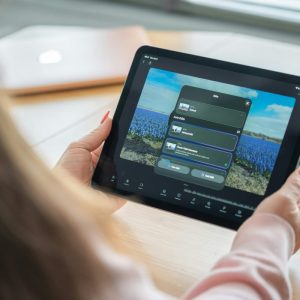
Airplanes, Hotels, and Road Trips: Bible Study Anywhere

Travel changes routines, but it doesn’t have to push Scripture to the margins of the day. Whether the journey involves a quick flight, a family road trip, or a weekend hotel stay, it’s possible for you to do Bible study anywhere. An unfamiliar place may create space for you to pause and see the Bible’s message and lessons with fresh clarity. Use these tips to refocus your heart wherever you are.
Pack a Compact Bible
One of the easiest ways to stay consistently in the Word is to bring a Bible that is comfortable to carry. A compact print edition, a slim notebook, or a bookmarked app can fit into a backpack, tote, or glove compartment without adding much weight.
Keeping your Bible close also makes it easier to build small, consistent habits throughout the day. Even a few minutes of reading during a quiet moment can help you stay centered.
Use Waiting Time Intentionally
Travel includes plenty of in-between moments that often go unused. Boarding delays, fuel stops, rest breaks, and the time before a hotel check-in can all become small windows to read a passage or revisit a favorite Psalm.
You don’t need to find a large, uninterrupted block of time. Instead of expecting a full hour of study, travelers can aim for ten focused minutes and still come away encouraged. Short, repeated time in Scripture often fits the rhythm of travel better than a longer session that never actually happens.
Pick a Reading Plan
Travel involves many decisions, large and small. You might be thinking about departure times, directions, check-ins, meal stops, packing, and how to keep everyone on schedule. And even after you make those decisions, you’ll need to stay flexible for last-minute changes.
When you already have so many decisions to make, it helps to know exactly what Bible passage to read without having to figure it out. Having something already chosen keeps your time in Scripture simple and stress-free.
To help your Bible study fit the rhythm of travel:
- Choose a short, structured plan (like a single Gospel or Psalms).
- Pick readings that can be completed in 5–10 minutes.
- Use a plan you can pause and resume easily.
- Avoid overly complex or heavy study guides.
- Stick with something familiar rather than starting something new.
- Build in flexibility for busy or unpredictable days.
Build a Simple Routine
You probably are not always on the go while traveling, so once you have settled in a bit, you can create a reading routine. That might mean opening your Bible before breakfast, reading after you get back to your hotel room, or ending the day with a few quiet verses before bed.
The best routine is usually one that fits your energy level and leaves room for flexibility. Some people focus better in the morning, while others may find that the quietest time comes later at night, after everything slows down.
Download Online Resources
Online resources can make Bible study more convenient by giving you easy access to Scripture, reading plans, devotionals, and audio Bibles in one place. For many travelers, these resources make time in the Word more accessible.
At the same time, travel can come with weak signals, dead zones, and unreliable hotel Wi-Fi, which make online tools harder to use. That is why it helps to download your online resources before you leave home.
Travel Light With Notes
If your reading is not intentional, you may spend time with the Bible without really taking in what you read. The Bible’s role in Christian life is to provide truth, direction, and spiritual understanding.
Note-taking is an effective way to stay engaged in your readings. A small notebook, phone notes app, or folded journal page can hold prayer requests, key verses, and brief observations. Writing even a sentence or two will keep your mind active and create a record you can revisit after the trip.
Here are a few ways you can take simple and meaningful notes:
- Write a key verse that stood out to you.
- Write an observation about the passage.
- Note one way it connects to your travel day.
- Add a short prayer or reflection.
- Keep your notes brief and focused.
Reflect Each Day
Reflection gives you time to slow down and think about what a passage is actually saying instead of rushing through it and moving on. It means considering what stood out, what it reveals about God, and how it connects to your attitude, choices, or concerns that day. Reflection helps you better understand and apply what you read.
Reflect on What Stood Out
Sometimes reflection begins by noticing what you cannot quite let go of after reading. It may be a comforting phrase, a challenging truth, or a detail that seems especially relevant in the moment. You do not have to force that process; just listen to your own response to the passage and notice what stays with you. Then take a few minutes to think about why that part stood out and how it connects to your life.
After reflecting on what stood out to you, take a small step to apply the lesson. This might mean adjusting your attitude, making a decision, or praying.
Reflect on Your Day
Reflection can also come from looking back on your day and noticing which moments stand out. You might think about situations where you felt stressed, patient, frustrated, or thankful, and how those moments connect to what you read. Take a few minutes to consider what those moments reveal and what Scripture says about them. After reflecting on your day, take a small step to respond, whether that means correcting an attitude, expressing gratitude, or bringing something specific into prayer.
Reflect Through Prayer
Reflecting through prayer means using prayer as a time to think through what you have read and bring your response to God. You might thank Him for the truth in the passage, admit where you need to grow, or ask Him to help you apply what stood out.
Travel may shift your schedule, but it does not have to take away your time in Scripture. Whether you are navigating flights, hotel stays, or long drives, Bible study can remain part of your day. You can reduce friction by choosing a reading plan and downloading online resources in advance. Then look for opportunities to read during waiting times or return to Scripture during a longer time you have intentionally set aside. Note-taking and daily reflection make these moments richer.