Reasons To Go Fully Automatic in Your Public Restroom
A public restroom shapes how people perceive a business more quickly than almost any other space. When visitors enter, they immediately notice cleanliness, convenience, and how accessible the restroom feels. Small annoyances quickly add up, whether it’s an awkward faucet, a sticky soap dispenser, or a flush handle that makes people hesitate. That’s why more facilities are adopting fully automatic features.
Automatic restroom fixtures enhance the public restroom by making it more modern, but their benefits go well beyond looks. They create a smoother experience for guests, reduce touchpoints, and help the restroom function better throughout the day. In many buildings, they also support a more consistent standard of cleanliness and performance, which matters in places where traffic stays steady from morning to night.
A Better User Experience
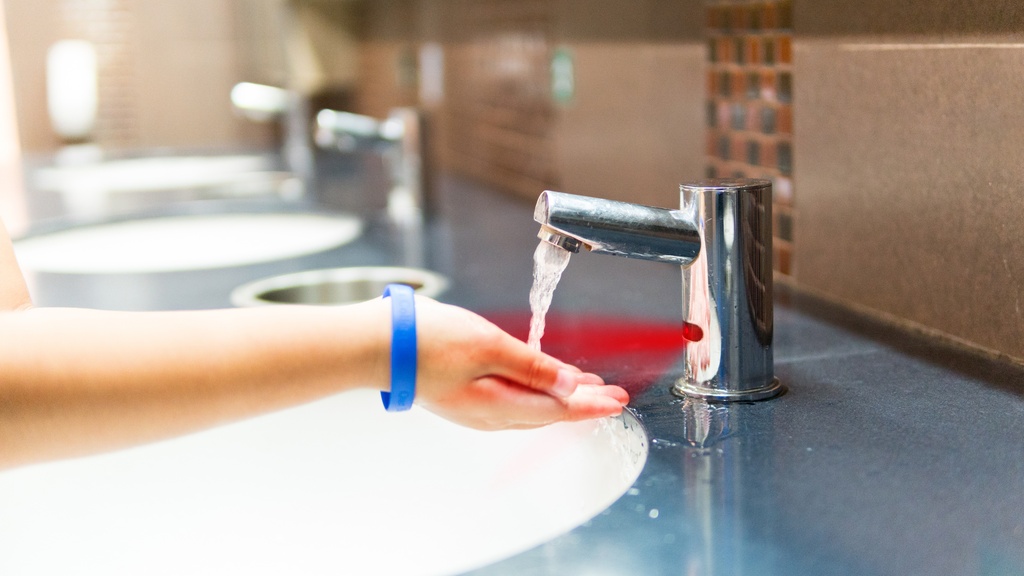
People value convenience, especially in shared spaces. Automatic fixtures eliminate extra steps and make restrooms easier to use from start to finish. A sensor faucet activates when needed. A touch-free soap dispenser delivers the right amount without a pump. An automatic flush valve operates without contact.
That kind of simplicity matters in busy public settings. Guests don’t have to guess what to touch or how much force a fixture requires. The room feels intuitive, creating a more positive impression. When a restroom is easy to use, visitors tend to view the entire property more favorably.
That improved experience also benefits a wider range of users. Some people struggle with stiff handles, awkward knobs, or fixtures that require twisting and gripping. Automatic features reduce that friction. The restroom becomes easier to navigate for older adults, children, and anyone carrying bags, pushing a stroller, or moving quickly through a crowded facility.
Less Contact With Shared Surfaces
One of the main reasons to switch to fully automatic systems is to minimize contact with high-traffic surfaces. In public restrooms, the same handles, buttons, and levers get touched repeatedly throughout the day. Even with regular cleaning, these areas see heavy use.
Touch-free systems reduce contact in practical ways. Visitors can wash, rinse, flush, and sometimes even open doors with fewer hand-to-surface interactions. This change supports a cleaner environment and gives users more confidence in the space. It also helps staff keep restrooms clean between uses because fewer touchpoints often mean fewer smudges, streaks, and residue on fixtures.
That benefit carries through the entire visit. A guest who can move through the restroom with minimal contact often leaves with a stronger sense that the facility is well managed. In settings like restaurants, medical offices, airports, and shopping centers, that perception matters. People remember whether a restroom felt clean and convenient, and that memory often shapes how they talk about the business afterward.
Cleaner Appearance Throughout the Day
A fully automatic restroom often appears cleaner even during peak hours. Manual faucets and flush handles tend to collect fingerprints, water spots, and soap residue more quickly because people constantly touch them. Touch-free fixtures reduce the visible wear.
That matters more than some facility managers realize. Guests often judge restroom cleanliness by what they see immediately. If stainless steel looks polished and surfaces remain dry, the restroom appears more organized. Automatic faucets also help limit water splashes on counters, preventing sinks and surrounding surfaces from looking messy just an hour after cleaning.
Automatic soap dispensers can improve appearance as well. Manual pumps often leave soap drips around the sink because users press too hard or dispense more than they need. A measured touch-free system keeps the process neater. When counters stay cleaner, the whole restroom feels more maintained, even during periods of heavy traffic.
More Consistent Resource Use
Automatic systems can also improve control over water and soap use. Manual fixtures rely on each person’s habits, which can vary widely. Some users leave faucets running longer than needed, while others use too much soap or flush more than once without reason.
Sensor-based fixtures create greater consistency. Water flows only when hands are under the faucet. Soap dispensers release a measured amount. Automatic flush systems operate on a set cycle. This level of control can reduce waste and help facilities manage supply costs over time. It also simplifies maintaining standards across multiple restrooms in schools, offices, restaurants, or public venues.
That consistency becomes even more valuable in large properties. A facility manager overseeing several restrooms needs systems that perform in a predictable way. Automatic fixtures reduce the range of user behavior that often drives waste and mess. Over time, that can make ordering supplies easier, cleaning schedules more predictable, and overall restroom performance more uniform across the building.
Easier Maintenance
Going fully automatic can make life easier for maintenance and custodial teams. That doesn’t mean fixtures never need service, but it does mean the restroom often stays in better condition between cleanings. With fewer handles and levers getting yanked, twisted, or pressed, many fixtures face less daily abuse.
Staff can also spend less time wiping down obvious fingerprints and water buildup from frequently touched hardware. In busy buildings, those small time savings matter. Over the course of a week, they can add up to a more manageable cleaning routine and a restroom that stays presentation-ready for longer stretches of the day.
Automatic systems can also reduce some of the minor issues that interrupt a staff member’s workflow. Loose handles, broken pumps, and stuck flush valves can all create service calls or complaints. While any fixture can need repair, touch-free units remove several of the most heavily handled parts that tend to wear out faster in public settings. That can lead to fewer daily frustrations for the people responsible for keeping the restroom operational.
A More Modern Image
Restroom design sends a message about how current a facility feels. Outdated fixtures can make even a clean room seem neglected. By contrast, automatic components create a more current and polished impression without requiring a full renovation.
That visual upgrade can matter in competitive spaces. Hotels, restaurants, office buildings, entertainment venues, and healthcare facilities all benefit from environments that feel current and thoughtful. When visitors encounter a restroom with touch-free fixtures, the room often feels more intentional. It suggests that the business pays attention to comfort, cleanliness, and upkeep.
This matters because restrooms often shape overall impressions in subtle ways. Guests may not comment on a well-functioning sink or soap dispenser, but they do notice when the room feels easy to use and well-maintained. Automatic features help create that quiet sense of quality.
Better Performance in Busy Facilities
High-traffic restrooms need fixtures that can handle constant use without creating bottlenecks or extra mess. Fully automatic systems support that goal by moving people through the space more smoothly. When handwashing and flushing work quickly and predictably, the restroom feels less chaotic during busy periods.
That can make a noticeable difference in places with lunch rushes, intermissions, class changes, or event crowds. A restroom that functions smoothly under pressure helps reduce lines, keeps fixtures cleaner, and limits the frustration that builds when people have to fiddle with malfunctioning or awkward hardware. For managers, that kind of reliability supports a better experience without constant intervention.
Why the Shift Makes Sense
A fully automatic public restroom offers more than a sleek update. It creates a smoother experience for users, reduces contact with shared surfaces, supports a cleaner appearance, and helps staff manage the space more efficiently. Those benefits reach beyond the restroom itself because they shape how people feel about the entire facility.
When a public restroom works without friction, people notice. Automatic fixtures help create that result, and that’s why the move makes so much sense. For businesses and public facilities that want a restroom to look better, function better, and stay cleaner throughout the day, going fully automatic is a practical upgrade that delivers value from every angle.