Supply Chain Details That Protect Chemical Products
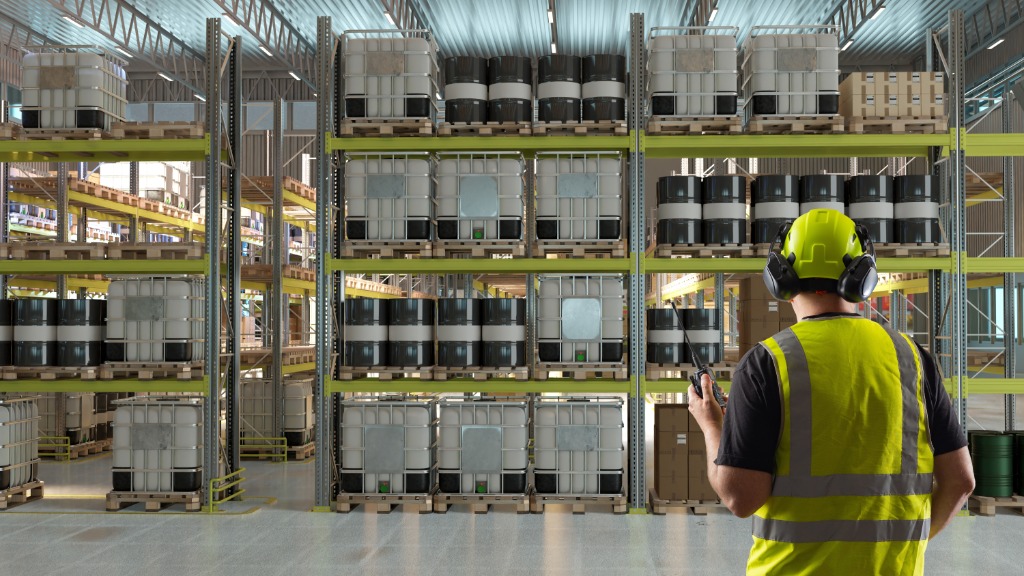
A chemical shipment has a memory. Every rushed transfer and undocumented delay leaves a mark that persists through stages of production. Supply chain details that protect chemical products determine whether that shipment arrives as a controlled material or a question mark with paperwork attached. In chemical operations, protection starts long before a container moves and continues until the product is safely where it belongs.
The Hidden Vulnerabilities in Chemical Supply Chains
Chemical supply chains are full of quiet weak points. A shipment might wait too long near a hot dock door. A technician might handle a container with equipment that puts pressure on the wrong area. Someone could enter a lot number incorrectly during transfer, creating uncertainty that follows the product.
Those risks are not always visible at receiving. A chemical may look unchanged, but still lose usability. Because of that, strong supply chain planning must account for the periods between major checkpoints.
Each transfer point needs control. Loading, staging, receiving, and internal movement determine whether the product arrives in the same condition as when it left production.
Packaging Engineering That Protects Chemical Integrity
Packaging must match the chemical. A container that works for one material may react poorly with another. Over time, the wrong liner or closure leads to corrosion or contamination.
Good packaging engineering starts with compatibility. The container material should support the product’s chemical profile and expected route. Closures should protect against leakage without creating pressure issues.
Reusable systems require the same level of care. For example, reusable packaging for specialty chemical markets supports product protection when durable containers are paired with validated cleaning standards and controlled handling practices.
When choosing packaging with the product’s behavior in mind, it becomes part of the quality system rather than a basic logistics item.
Environmental Controls: Temperature, Humidity, and Light Management
Many chemical products depend on controlled exposure. Heat speeds up degradation. Humidity interferes with sensitive formulations, and light affects compounds that require protected storage.
Environmental control should cover the entire route. A refrigerated trailer has limited value if the product sits in an uncontrolled area before loading. Similarly, warehouse placement matters when a product has strict temperature limits.
Humidity control is especially important when opening containers for sampling or partial use. Even brief exposure creates problems for materials that absorb moisture quickly.
Light-sensitive products require protective packaging and careful storage. Once the product’s environmental limits are known, those limits should guide every handling decision.
Regulatory Compliance as a Product-Protection Mechanism
Compliance is not only about avoiding penalties. It helps protect the product by making its risks clear to every party involved in the movement.
Accurate classification shapes how teams transport and store a chemical. If that classification is incorrect, the product could be placed in a setting that does not align with its hazard profile. Correct labeling ensures workers make safer decisions without relying on guesswork.
Documentation protects product identity. Batch records, shipping papers, and safety information need to align with the physical shipment. A mismatch creates doubt, even when the material itself remains usable.
When compliance is treated as a protection tool, it supports safer handling and cleaner decision-making across the supply chain.
Chain-of-Custody Tracking and Traceability
Traceability keeps a chemical product connected to its history. Without it, a single concern forces a broad hold because no one knows exactly where the issue began.
Chain-of-custody tracking should show who handled the product and where it moved. It should also capture exceptions that affect quality. A route delay or storage deviation is important when the chemical has exposure limits.
Strong traceability makes investigations faster and more accurate. Instead of relying on memory, teams can review records and isolate the affected lot.
Clear tracking protects unaffected inventory, too. When records are precise, one problem does not need to disrupt every shipment from the same period.
Trained Personnel and Safe Handling Protocols
Even the best process depends on the people carrying it out. Workers need to understand how chemical handling connects to product quality.
A trained employee is more likely to notice a damaged closure or container swelling. Catching those details early makes a difference in protocols because small warning signs point to a larger issue.
Protocols should be practical and specific. Broad warnings are easy to ignore during a busy shift. Clear instructions help teams know when to move a product forward and when to stop for review.
Training should be reinforced through supervision. A shortcut repeated over time turns into a quality failure, so correction has to happen early.
Transportation Controls That Prevent Damage and Degradation
Transportation adds stress that might not exist inside the facility. Vibration, route delays, and weather exposure affect product protection.
Load securement is a major part of chemical safety. If containers shift in transit, closures can loosen, or container walls might weaken. A stable load reduces the risk of leaks and rejected deliveries.
Carrier expectations should be clear before pickup. Drivers need relevant handling instructions, and dispatch teams need to understand any route limits tied to temperature or timing.
Personnel should report transportation issues quickly. A late arrival could be more than a scheduling problem when the product has a strict stability window.
Storage and Warehouse Standards for Chemical Protection
Storage determines whether protection continues after delivery. A product that arrives in good condition can still be compromised by poor placement in the warehouse.
Chemical storage should reflect compatibility and stability needs. Incompatible materials should be separated. Sensitive products should be placed where exposure is controlled and movement is limited.
Inspection routines catch problems early. Leaks or residue, among other signs, should be checked by warehouse teams before releasing a container for use.
Shelf-life control is part of protection as well. When date management is weak, older products remain in storage until they no longer meet their intended use requirements.
Supplier and Partner Vetting: Ensuring Every Link Protects the Production
Chemical protection depends on every company involved in the supply chain. An otherwise careful manufacturer still faces risk if a carrier or warehouse does not maintain the same level of discipline.
Partner vetting should assess chemical-handling experience and documentation practices. Price matters less when a partner cannot protect the product under real operating conditions.
Performance reviews reveal weak links. Repeated paperwork errors or unexplained handling gaps should be addressed before they lead to product loss.
Chemical products leave little room for casual assumptions once they move beyond the production floor. The strongest operations treat every handoff as part of the product’s condition and every record as part of its protection. Supply chain details that protect chemical products turn movement into a controlled process with fewer weak points along the way.