How to Create a More Relaxing Living Environment at Home
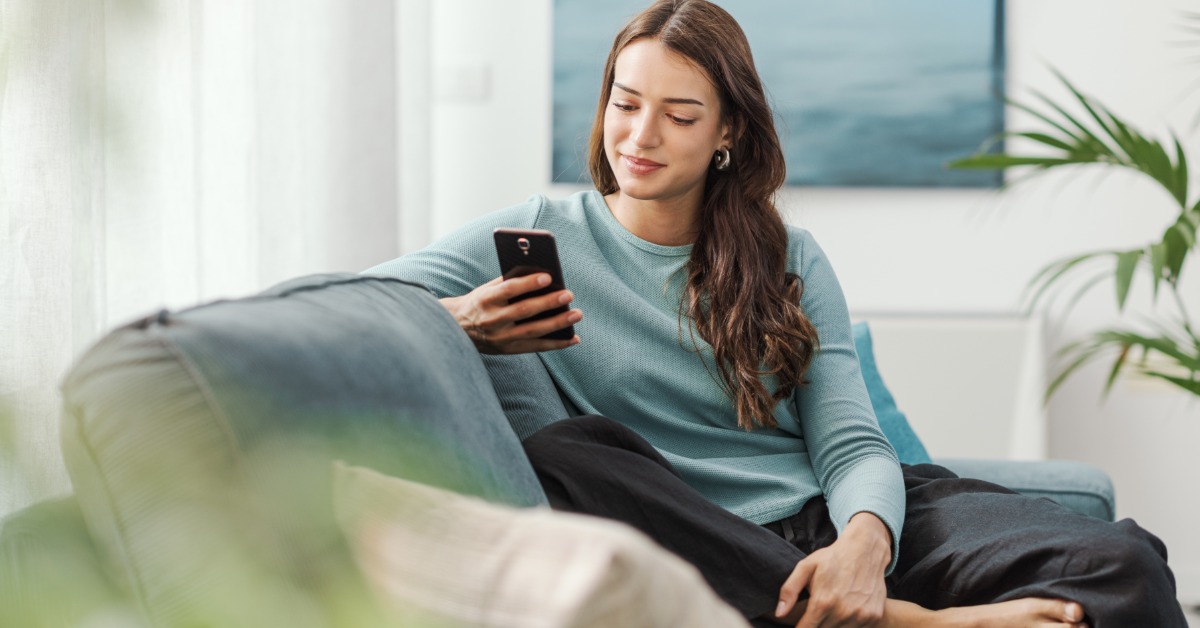
Home should be more than just the place where you eat and sleep—it should be somewhere you genuinely look forward to spending time. A relaxing environment can make it easier to unwind after work and recharge from the demands of everyday life. While every home looks different, the qualities that create a sense of comfort are often the same: organized spaces, inviting lighting, comfortable furnishings, fresh air, and routines that help reduce stress.
The best part is that creating a calmer atmosphere doesn’t require a complete makeover or a large budget. Small, intentional changes can have a lasting impact on how your home feels and how you experience it each day. Whether you’re updating a single room or making gradual improvements throughout your house, how to create a more relaxing living environment at home begins with thoughtful choices that make your space more comfortable, functional, and welcoming.
Start With a Clutter-Free Space
One of the quickest ways to make a room feel more peaceful is to reduce unnecessary clutter. When every surface is covered with miscellaneous items, your brain has more visual information to process, making it harder to fully relax.
Instead of aiming for perfection, focus on keeping everyday items organized. Store things you don’t use regularly, clear countertops, and develop simple habits like putting items away after using them. Even spending ten minutes tidying up before the end of the day can help your home feel noticeably calmer.
Decluttering also makes cleaning easier, which contributes to a fresher and more welcoming environment.
Use Lighting to Set the Mood
Lighting dramatically affects the atmosphere of any room. Bright overhead lights may be useful during certain tasks, but softer lighting is generally more conducive to relaxation.
Table lamps, floor lamps, and warm-colored bulbs help create a comfortable glow during the evening hours. Natural daylight is equally important during the day, so open blinds and curtains whenever possible to allow sunlight inside.
Layering different light sources gives you flexibility throughout the day while making each room feel more comfortable.
Choose Colors That Promote Calm
Color influences how a room feels, even if we don’t consciously notice it. Neutral shades, soft blues, muted greens, warm grays, and earthy tones often create a sense of balance and comfort.
That doesn’t mean every room needs to be monochromatic. Instead, use calming colors as the foundation and introduce personality through artwork, pillows, plants, or decorative accents.
Creating visual harmony throughout your home helps maintain a peaceful atmosphere from one room to the next.
Improve Indoor Air Quality
Fresh, clean air contributes significantly to overall comfort. Dust, pet dander, pollen, and other airborne particles can make a home feel stuffy while also affecting daily comfort for many people.
Regular vacuuming, replacing HVAC filters on schedule, and maintaining proper ventilation all help improve indoor air quality. Many homeowners also choose to use air purifiers in frequently occupied rooms to help reduce airborne particles.
Understanding tips for getting the most out of your air purifier can help ensure the device operates as efficiently as possible while supporting cleaner indoor air throughout your home.
Bring Nature Indoors
Natural elements have long been associated with feelings of relaxation. Houseplants, fresh flowers, natural wood finishes, and stone accents all introduce texture and warmth into living spaces.
Plants can soften sharp lines, add visual interest, and make rooms feel more inviting. Even if you’re not experienced with indoor gardening, many low-maintenance varieties thrive with minimal care.
If live plants aren’t practical, nature-inspired artwork or natural materials can provide a similar calming effect.
Create Comfortable Seating Areas
Relaxation becomes much easier when your furniture invites you to slow down. Comfortable seating encourages reading, conversation, hobbies, or simply taking a break.
Add supportive cushions, soft throws, and textured blankets that make seating areas more welcoming. Arrange furniture to encourage conversation while maintaining enough open space for easy movement.
Small adjustments to furniture placement can completely change how a room feels without requiring new purchases.
Establish Relaxing Daily Routines
A relaxing home isn’t defined solely by its appearance. The routines that take place within it matter just as much.
Simple habits like making the bed each morning, dimming lights after dinner, reading before bed, or enjoying a cup of tea in a favorite chair help reinforce feelings of comfort and consistency.
Over time, these routines signal to your mind that it’s time to unwind, making relaxation feel more natural.
Make Every Room Feel Intentional
Each room should support its primary purpose. Bedrooms should encourage restful sleep, living rooms should invite conversation or leisure, and home offices should minimize distractions while promoting productivity.
Avoid allowing spaces to become catch-all storage areas. When every room has a clear function, your entire home feels more organized and easier to enjoy.
Even small decorative touches that reflect your personality help create a stronger emotional connection to your surroundings.
Pay Attention to Temperature and Comfort
Physical comfort plays a major role in relaxation. Rooms that are consistently too hot or too cold can make it difficult to fully unwind.
Use ceiling fans, adjust window coverings seasonally, and add soft textiles that make spaces feel cozy throughout the year. During colder months, layered blankets and rugs create warmth, while lightweight fabrics help maintain comfort during warmer seasons.
Small seasonal adjustments often have a greater impact than people expect.
Personalize Your Space
A truly relaxing home reflects the people who live there. Display meaningful photographs, favorite books, travel souvenirs, or artwork that brings positive memories.
Personal touches create familiarity and comfort without adding unnecessary clutter. The goal is to surround yourself with items that contribute to happiness rather than visual distraction.
When your home reflects your personality, it naturally becomes a place where you enjoy spending time.
Foster a Perfect Home Environment
Creating a peaceful home doesn’t happen all at once. It develops through consistent habits, thoughtful organization, and intentional design choices that prioritize comfort over perfection. By reducing clutter, improving lighting, maintaining cleaner air, minimizing noise, and surrounding yourself with meaningful details, you can transform your living space into a place that truly supports relaxation.
Over time, these simple improvements become part of your daily routine, making your home feel more welcoming and restorative. Whether you’re making one small change or gradually updating each room, creating a more relaxing living environment at home is an investment in your overall well-being that pays dividends every single day.