Why a Standby Generator Is Better Than a Portable One
Power outages can create serious problems anywhere, but they’re especially hazardous for homes along the Mississippi Gulf Coast. Tropical storms, hurricanes, severe thunderstorms, fallen trees, and equipment damage can interrupt electrical service with little warning. When an outage stretches beyond a few hours, homeowners must think about much more than keeping the lights on.
Refrigerated food can spoil, indoor temperatures can rise, medical equipment can lose power, and sump pumps or security systems can stop working. Both portable and permanently installed generators can supply electricity during an outage, but they offer very different levels of protection. Below, we outline why a standby generator is better than a portable one for Gulf Coast homeowners who want reliable and convenient backup power.
Automatic Power When It Matters Most
A portable generator requires someone to retrieve it, move it outdoors, add fuel, start it, and connect appliances. That process may sound manageable on a calm day, but storm conditions can make it difficult or unsafe. Heavy rain, darkness, high winds, standing water, and scattered debris can complicate setup.
A permanent system removes much of that work. It detects a utility outage and starts automatically, usually within seconds. An automatic transfer switch safely disconnects the home from the utility supply before directing generator power into the electrical system. When utility service returns, the system transfers the home back and shuts itself down.
Backup Power Even When Nobody Is Home
Automatic operation also protects an empty house. A portable unit provides no help when residents are at work, traveling, or evacuating ahead of a storm. A fixed system can continue supporting selected circuits without waiting for someone to return and start the equipment.
That protection can help preserve food, maintain climate control, power alarms, and support other essential household systems. For Gulf Coast residents who leave the area during a hurricane warning, automatic operation can reduce uncertainty about what is happening at home.
Greater Capacity for Household Needs
Another reason why a standby generator is better than a portable one is its higher capacity. Portable generators typically power a limited selection of appliances through extension cords or a transfer device. Homeowners must decide which items matter most, calculate the electrical load, and avoid connecting more equipment than the generator can handle.
A whole-home system can support a broader range of circuits. Depending on its size and configuration, it may power refrigeration, lighting, air conditioning, water heaters, medical devices, internet equipment, and kitchen appliances. Some systems cover nearly the entire home, while smaller models supply carefully selected essential circuits.
Safer Operation With Less Handling
Portable generators demand careful placement and operation. They produce carbon monoxide, so they must run outdoors, away from doors, windows, vents, garages, crawl spaces, and other openings. Running one inside or too close to a home can allow deadly exhaust to accumulate.
Portable units also require homeowners to manage fuel, extension cords, electrical connections, weather exposure, and refueling. Improper connections can create shock, fire, or backfeed hazards. Backfeeding occurs when electricity flows from a generator into utility lines, placing utility workers and nearby residents at risk.
Permanent Installation Reduces Setup Risks
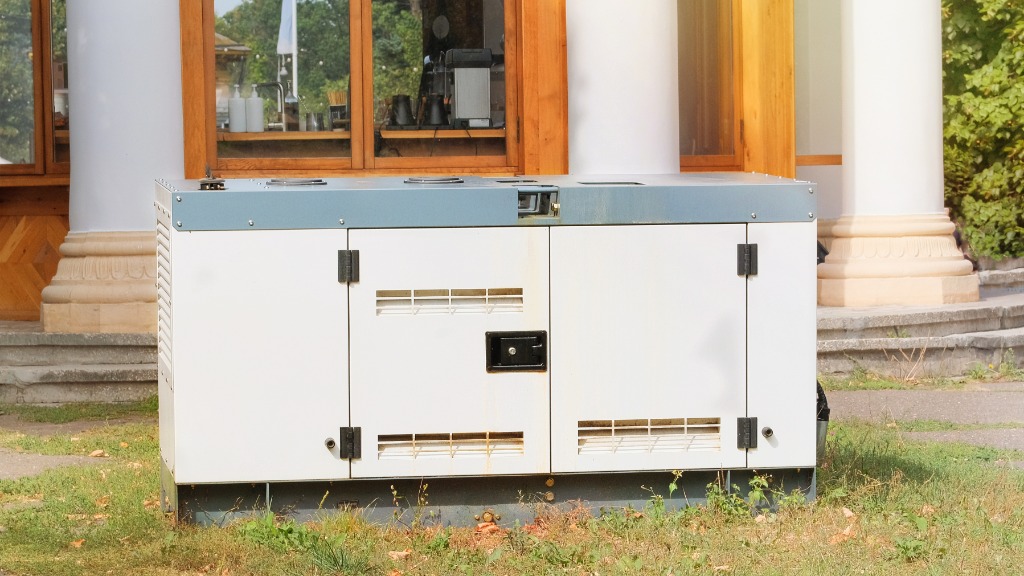
A fixed backup system sits outside on a prepared base and connects to the home through permanently installed electrical equipment. Professionals position the unit according to applicable codes, manufacturer requirements, and clearance rules. The automatic transfer switch controls the transition between utility power and generator power.
This design does not eliminate the need for maintenance or responsible use, but it reduces the number of decisions a homeowner must make during an emergency. Residents do not need to move a heavy machine through rain, arrange extension cords, or pour gasoline near a hot engine.
A More Practical Fuel Supply
Most portable generators run on gasoline, though some models can use propane or multiple fuel types. Gasoline can present planning challenges during an outage. Homeowners must store it safely, monitor its condition, transport it in approved containers, and refuel the unit.
Fuel may also become harder to obtain after a major storm. Gas stations need electricity to run pumps, roads may remain blocked, and local demand can rise quickly.
Direct Fuel Connections Provide Convenience
Permanent systems generally connect directly to natural gas or a dedicated propane supply. That arrangement eliminates handling of gasoline and reduces the need for manual refueling. The best fuel choice depends on local service, property conditions, expected electrical demand, tank capacity, and the likely length of an outage.
Better Protection During Extended Outages
Running a portable machine around the clock during a long outage requires continuous monitoring, regular refueling, oil checks, load management, and protection from unsafe weather exposure. The work becomes more demanding as an outage continues.
A permanent system is built for a more integrated role. It can run for long periods with proper maintenance and fuel. It also exercises itself at scheduled intervals, helping identify certain operating problems before an emergency. Those features make it more suitable for homeowners seeking consistent household protection rather than temporary electricity.
Greater Convenience Comes With Higher Upfront Costs
Portable generators cost less to purchase and do not always require extensive installation. That lower initial price makes them attractive to households that need basic backup power and can manage setup, fueling, and operation.
Permanent systems require a larger investment. Costs may include the unit, transfer switch, electrical work, fuel connections, permits, site preparation, and professional installation. Homeowners must also budget for inspections and routine service.
Long-Term Value Extends Beyond Purchase Price
While it may cost more, investing in a whole home generator is worth every penny because price alone does not capture the full difference between the two options. A fixed system can help reduce food loss, prevent temperature-related damage, support home medical equipment, maintain security devices, and limit disruption during a lengthy outage. It may also make a home more appealing to future buyers, particularly in a storm-prone coastal region.
Professional Sizing Makes the Difference
A generator must match the electrical demands placed on it. Buying the largest available model does not automatically produce the best result, and choosing an undersized unit can lead to overloads or prevent important equipment from starting.
An installer can conduct a load calculation, identify essential circuits, review large appliances, and explain which systems can run at the same time. The evaluation should account for startup demands from air conditioners, pumps, refrigerators, and other motor-driven equipment.
Maintenance Keeps Backup Power Ready
Every generator needs maintenance. A fixed unit may run automatically, but homeowners still need regular inspections, oil and filter changes, battery checks, and periodic testing. The surrounding area should remain clear, and vents must stay free from obstruction.
Choosing Reliable Protection for a Gulf Coast Home
Portable generators remain useful for temporary, limited, and mobile power needs. They cost less upfront, and they can keep a refrigerator, several lights, and small devices running when operated correctly.
For broader residential protection, however, a home standby generator offers automatic operation, greater capacity, safer power transfer, easier fuel management, and better support during extended outages. Homeowners should compare not only the purchase price but also the work, risks, and limitations of each option. For families seeking dependable power with minimal emergency setup, a whole-home system provides the stronger long-term solution.