Long Beach’s push to expand city limits faces courtroom test
By Toni Miles
-
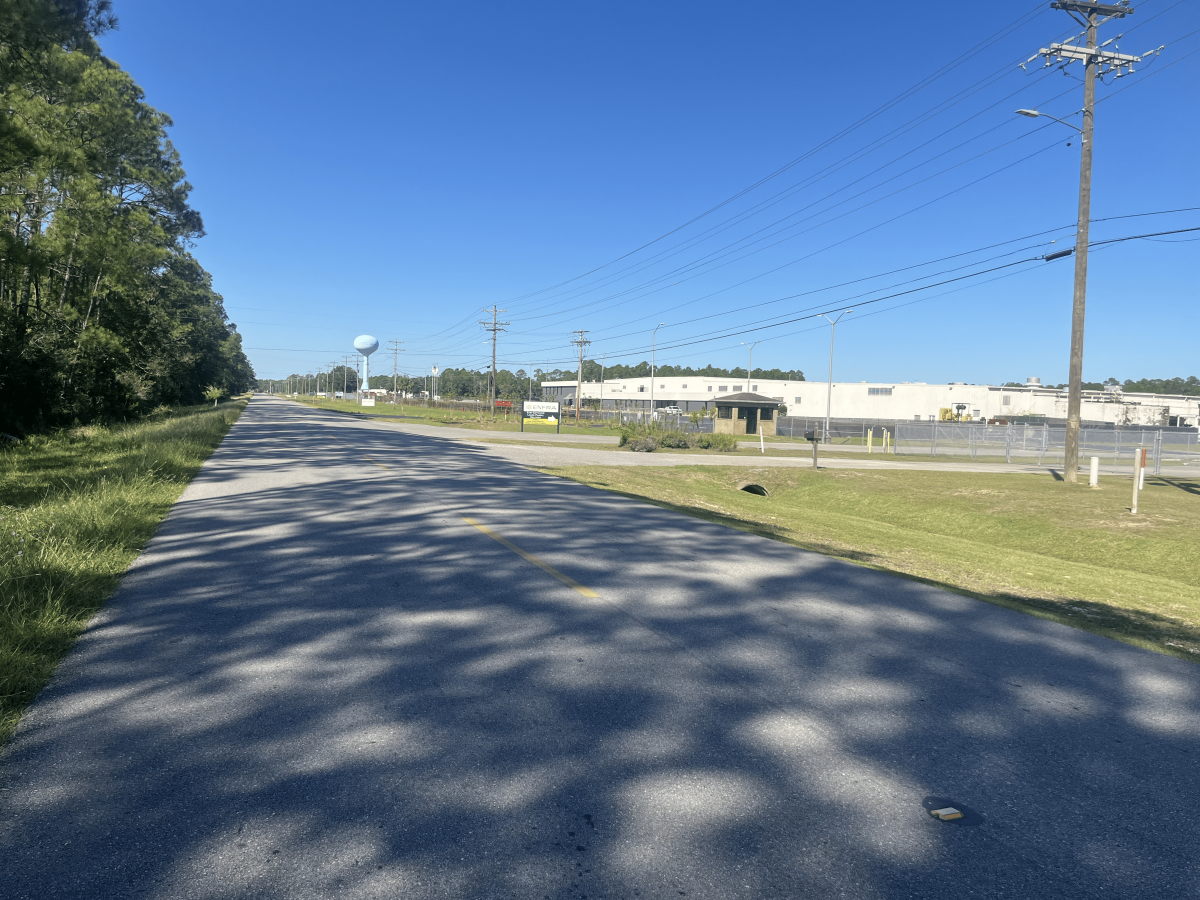
- The annexation outcome will ultimately be decided by Lamar County Circuit Judge Brad Touchstone, who was appointed by the Mississippi Supreme Court after the original local chancellor recused from the matter. (Photo credit: Toni Miles)
-
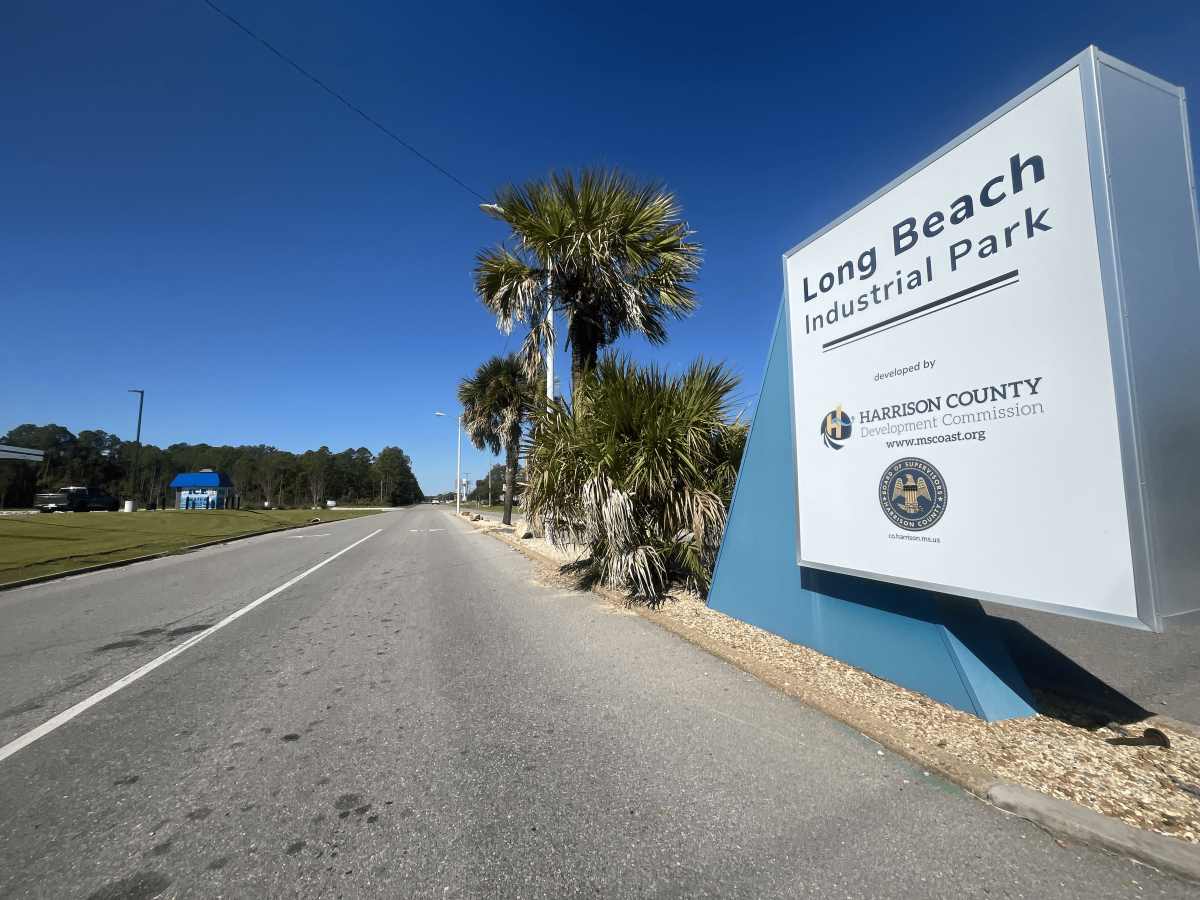
- The City of Long Beach is trying to annex part of the Industrial Park and nearby areas. (Photo credit: Toni Miles)
Proposed annexation of the Long Beach Industrial Park and surrounding properties raises questions about economic growth, tax revenue, public services and the impact on residents, an issue that will ultimately be decided by a court of law.
The City of Long Beach is pressing forward with an effort to annex approximately one square mile of Harrison County property to the west of the city, including the industrial park and several surrounding areas, in a move City leaders say is necessary to encourage economic development and accommodate future growth.
But the proposal is facing opposition from some property owners and businesses who question whether bringing the land into the city limits is necessary and whether the potential benefits outweigh the financial consequences for those who would be affected.
The dispute is now being decided in Harrison County Chancery Court, where a trial began September 28. Testimony has focused on the City’s reasons for pursuing annexation, its ability to provide municipal services and the financial implications for residents and businesses in the proposed expansion areas.
The trial is scheduled to resume November 2 at the Harrison County Courthouse in Gulfport. A final ruling is expected after testimony concludes.
A push for economic growth
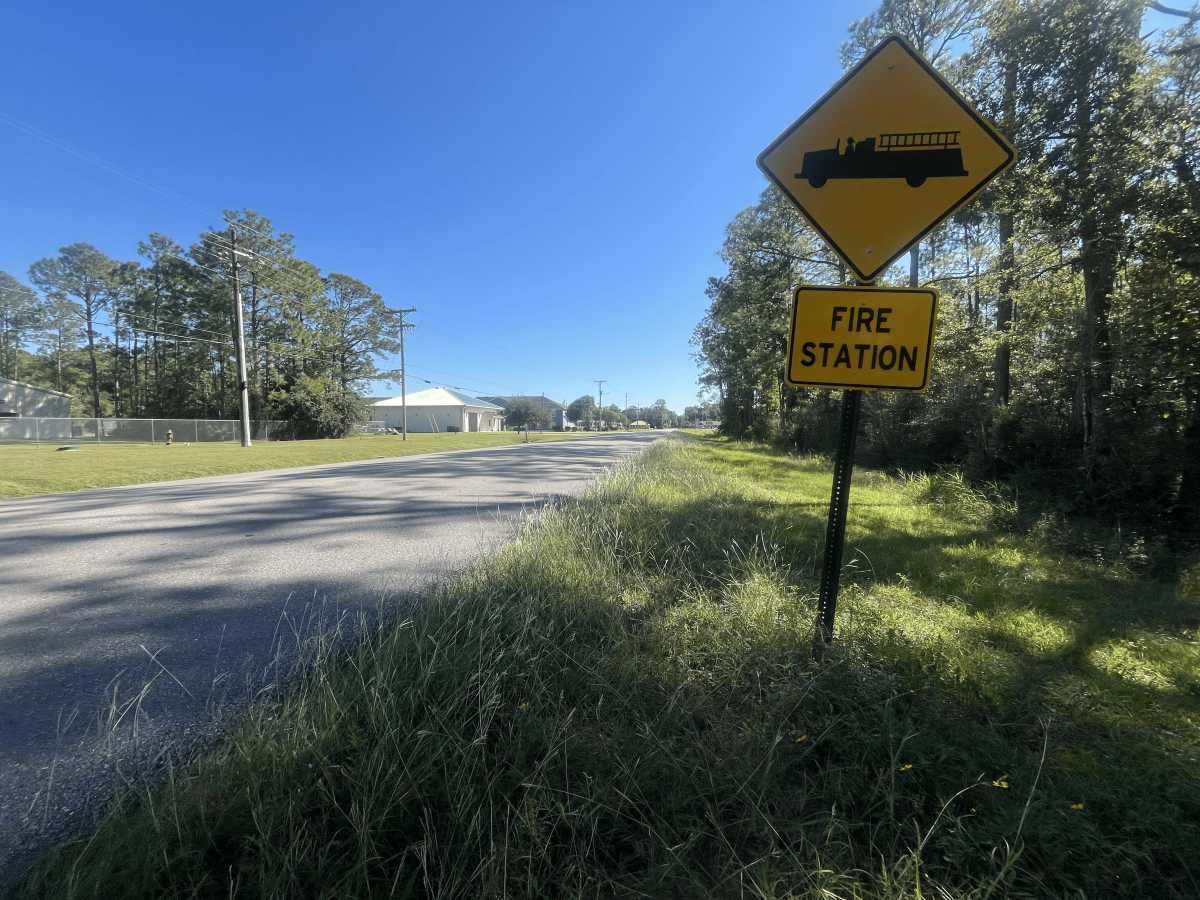
Long Beach Mayor Tim Pierce says the City spends close to $1 million annually to operate the fire station serving the industrial park and that Long Beach residents and businesses should not have to shoulder those costs without corresponding revenue. (Photo credit: Toni Miles)
Long Beach Mayor Tim Pierce has described annexation of the area as a critical component of the City’s long-term economic development strategy.
The proposed expansion includes the industrial park, which is currently outside Long Beach’s municipal boundaries, as well as four smaller areas along the city’s borders.
Pierce has argued that Long Beach needs additional land to attract businesses and expand its economic base, particularly as development along the coast becomes more difficult because of federal flood-zone requirements and the costs associated with building in designated high-risk areas.
With the Mississippi Sound and Gulf limiting growth to the south, City officials see opportunities to expand and create additional room for commercial and industrial development.
Pierce has also argued that Long Beach taxpayers have helped pay for services provided to the industrial park for decades without receiving the financial benefits City leaders believe should accompany those services.
According to the mayor, the City has provided fire protection and other assistance to the industrial park since its early development in the 1980s, including Fire Station #3, completed in recent years, which provides services to both the city and county and was instrumental in securing a better fire rating, ultimately reducing the cost of fire insurance for residents and businesses in the area.
Pierce says the City spends close to $1 million annually to operate the fire station serving the industrial park and that Long Beach residents and businesses should not have to shoulder those costs without corresponding revenue.
The mayor has also maintained that annexation could help the City attract new businesses and strengthen its economic position.
In October 2025, Pierce renewed his public support for annexing the industrial park, describing the effort as a way to retain more economic activity within Long Beach and provide resources for future development.
Financial benefits under scrutiny
The financial implications of annexation have become a central issue in court proceedings.
According to testimony reported during the opening days of the trial, the proposed annexation could generate approximately $3.8 million in tax revenue over five years.
Pierce has separately estimated that additional taxes associated with the industrial park could amount to approximately $400,000 annually.
Those figures have helped frame the debate over whether annexation would strengthen the City’s finances or primarily increase its tax base.
Supporters argue that bringing the industrial park into the city would allow Long Beach to capture additional revenue and better align municipal responsibilities with the areas receiving City services.
Opponents, however, have questioned whether the City has demonstrated a sufficient need to expand its boundaries.
More than thirty residents, homeowners and business owners formally intervened in the litigation in December 2025. Opponents have argued that the annexation could increase their financial obligations without providing substantial additional services.
The proposed annexation area includes approximately twenty-five businesses and seventy-three people, according to testimony reported at the start of the trial.
The potential impact extends beyond the industrial park to residential properties that could become subject to City taxes, ordinances and municipal jurisdiction.
Residents raise concerns about costs and services
For property owners in the proposed annexation areas, the issue involves more than the City’s plans for economic development.
Some residents have expressed concerns about property taxes, utility costs and the possibility that existing water wells and septic systems could eventually be affected by changes in municipal services.
Questions about water and sewer service have also emerged during the trial.
Some properties in the industrial park receive water and sewer service through Harrison County infrastructure rather than the City’s utility system.
During testimony in September, Long Beach Public Works Director Joe Culpepper acknowledged that the City does not anticipate needing additional public works employees or equipment to serve the proposed annexation territory.
Culpepper indicated that existing personnel could handle work such as repairing potholes, cutting grass and maintaining drainage ditches.
Attorneys representing opponents have questioned whether the City has demonstrated that it can provide services at an adequate level and whether the proposed expansion is necessary when some properties already receive services through the county.
The questioning has also highlighted the distinction between services the City currently provides and services it would be responsible for providing if annexation is approved.
What the court must decide
Under Mississippi law, a municipality seeking to annex territory must demonstrate that the proposed expansion is reasonable and necessary.
The court must consider the circumstances surrounding the proposed annexation, including the City’s need for expansion, the territory involved and the ability to provide appropriate municipal services.
Long Beach’s case is being heard by Lamar County Circuit Judge Brad Touchstone, who was appointed by the Mississippi Supreme Court after the original local chancellor recused herself from the matter.
During the third day of trial on September 30, attorneys for the objectors challenged the City’s position that annexation would improve services and benefit the affected territory.
The City, meanwhile, has maintained that it already provides services to portions of the proposed annexation area and that incorporating the territory would support more coordinated planning and future development.
The City has also narrowed its original request, agreeing to withdraw one parcel from the annexation plan and not present evidence at trial regarding that area’s reasonableness.
The remaining dispute centers on whether the City has met the legal requirements for annexation and whether its proposed expansion is justified by the circumstances.
A decision with long-term implications
The outcome could have consequences for Long Beach’s future development, Harrison County property owners and the relationship between municipal and county governments.
If annexation is approved, the affected territory would become part of Long Beach, potentially changing the local government’s responsibilities and the regulatory framework governing the properties.
For City leaders, the expansion represents an opportunity to pursue industrial development, strengthen the tax base and plan for growth beyond the existing city limits.
For opponents, the central question is whether the City has demonstrated that annexation is necessary and whether the benefits would justify the financial and regulatory changes imposed on those who live and operate businesses in the affected areas.
The legal proceedings are expected to continue when the trial resumes November 2.