Ways To Protect Your Business From Material Shortages
Material shortages create significant challenges for businesses, affecting everything from daily operations to customer satisfaction. Whether a company depends on raw materials, packaging supplies, manufacturing components, or transportation equipment, unexpected shortages cause production delays, increase expenses, and disrupt delivery schedules. These problems often result from supply chain disruptions, transportation delays, changing demand, or limited supplier availability.
Understanding the ways to protect your business from material shortages is essential for maintaining reliable operations and reducing financial risks. Although businesses cannot prevent every supply disruption, they can take practical steps to strengthen purchasing strategies, improve inventory management, and prepare for changes in material availability.
Diversify Your Supplier Network
Depending on a single supplier for essential materials can leave a business vulnerable when production problems or delivery delays occur. If that supplier cannot fulfill an order, finding a replacement at short notice may be difficult, particularly when demand is high across an industry.
Working with multiple suppliers reduces this dependency and gives businesses more flexibility when shortages arise. Companies can explore suppliers in different regions, compare domestic and international sourcing options, and establish relationships with alternative vendors before they are urgently needed.
However, supplier diversification should involve more than identifying additional companies. Businesses should evaluate product quality, pricing, delivery reliability, and production capacity to ensure alternative suppliers can meet operational requirements.
Maintain Balanced Inventory Levels
Effective inventory management helps businesses avoid shortages without creating unnecessary storage expenses. Keeping too little inventory increases the risk of operational interruptions, while purchasing excessive quantities can restrict cash flow and result in waste, particularly when materials have limited shelf lives.
Businesses should regularly review material usage, supplier lead times, and seasonal demand to determine appropriate stock levels. Maintaining safety stock for essential materials provides additional protection when deliveries are delayed or demand increases unexpectedly. Inventory requirements should also be adjusted as business conditions change, ensuring that purchasing decisions reflect current operational needs rather than outdated assumptions.
Build Strong Relationships With Suppliers
Reliable supplier relationships make a meaningful difference when materials become difficult to obtain. Suppliers who understand a company’s purchasing requirements may be better positioned to communicate potential shortages, coordinate delivery schedules, and discuss alternative purchasing arrangements.
Maintaining these relationships requires consistent communication, accurate order forecasts, and timely attention to purchasing concerns. Businesses should regularly discuss material availability, production capacity, and anticipated changes in demand with their suppliers. These conversations can reveal potential problems early, allowing companies to adjust purchasing schedules or explore alternatives before disruptions affect operations.
Strengthen Supply Chain Resilience
A resilient supply chain allows businesses to respond to challenges without immediately interrupting production or distribution. Developing this resilience begins with identifying essential materials, understanding supplier dependencies, and evaluating potential weaknesses throughout the purchasing and delivery process.
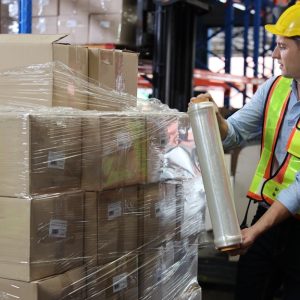
Businesses should consider supporting materials alongside their primary products. For example, manufacturers and distributors may have sufficient finished goods available but still experience shipping delays because of shortages involving packaging supplies, pallets, or transportation equipment.
Companies that depend on palletized shipments can reduce these risks by building a resilient pallet supply strategy that considers material availability, purchasing flexibility, and changing distribution requirements. Evaluating these operational dependencies helps businesses recognize potential disruptions that might otherwise be overlooked.
Improve Demand Forecasting
Accurate demand forecasting allows businesses to anticipate purchasing requirements and avoid inventory shortages. Historical sales information, seasonal purchasing patterns, customer orders, and broader market conditions provide valuable insights into future material needs.
Companies should review these factors regularly, particularly when experiencing growth or changes in customer demand. For example, a business preparing for a busy sales period may need to order additional packaging or production materials well before demand increases. Developing forecasts for different demand scenarios also helps businesses prepare for unexpected changes without relying entirely on last-minute purchasing decisions.
Use Technology To Track Materials
Inventory management technology improves visibility into available materials and helps businesses identify potential shortages before they become serious problems. Digital systems monitor stock levels, track material consumption, record supplier deliveries, and generate alerts when inventory reaches predetermined reorder points.
Businesses managing numerous products or multiple suppliers benefit from software that connects inventory records with purchasing and delivery information. Smaller companies can achieve similar improvements through organized spreadsheets, automated reminders, and consistent stock reviews. Regardless of the technology used, accurate inventory records allow businesses to make purchasing decisions based on reliable information rather than estimates.
Identify Alternative Materials and Products
When specific materials become unavailable, suitable substitutes help businesses maintain operations. Identifying alternatives before shortages occur provides time to evaluate whether replacement materials meet required performance, quality, and safety standards.
Depending on the industry, alternatives may include different packaging materials, compatible manufacturing components, or equivalent products from approved suppliers. However, substitutions should never compromise product quality or regulatory compliance. Businesses might need to conduct testing, review specifications, or obtain customer approval before introducing replacement materials into their operations.
Develop a Business Continuity Plan
A business continuity plan establishes procedures for responding when essential materials become unavailable. Rather than making rushed decisions during a shortage, companies can prepare by identifying critical supplies, documenting alternative suppliers, and assigning responsibility for purchasing and operational adjustments.
The plan should also explain how limited inventory will be allocated and how customers will be informed if delivery schedules change. Reviewing these procedures periodically ensures they remain relevant as suppliers, business requirements, and market conditions evolve. Employees should understand their responsibilities so the company can respond efficiently when disruptions occur.
Monitor Supply Chain Conditions
Material availability can change because of transportation problems, severe weather, manufacturing disruptions, or fluctuations in demand. Monitoring supplier updates, industry developments, and delivery performance helps businesses recognize emerging risks and respond before shortages become widespread.
Companies should pay particular attention to materials with long lead times or limited sourcing options. When warning signs appear, businesses can review inventory reserves, contact alternative suppliers, or adjust purchasing schedules. Regularly assessing supplier performance and total purchasing costs also helps identify opportunities to improve efficiency and reduce dependencies.
Protect Business Operations Through Better Planning
Material shortages may be unavoidable in certain circumstances, but their impact can often be reduced through preparation and flexible purchasing practices. Businesses that diversify suppliers, maintain appropriate inventory levels, strengthen relationships, and develop contingency plans are better equipped to manage disruptions.
Ultimately, protecting your business from material shortages involves creating dependable systems that support long-term operational stability. By reviewing supply chain risks regularly and making informed purchasing decisions, businesses can minimize costly interruptions, maintain consistent service, and respond more effectively when material availability changes.