Why Flooded Roads Are More Dangerous Than They Look
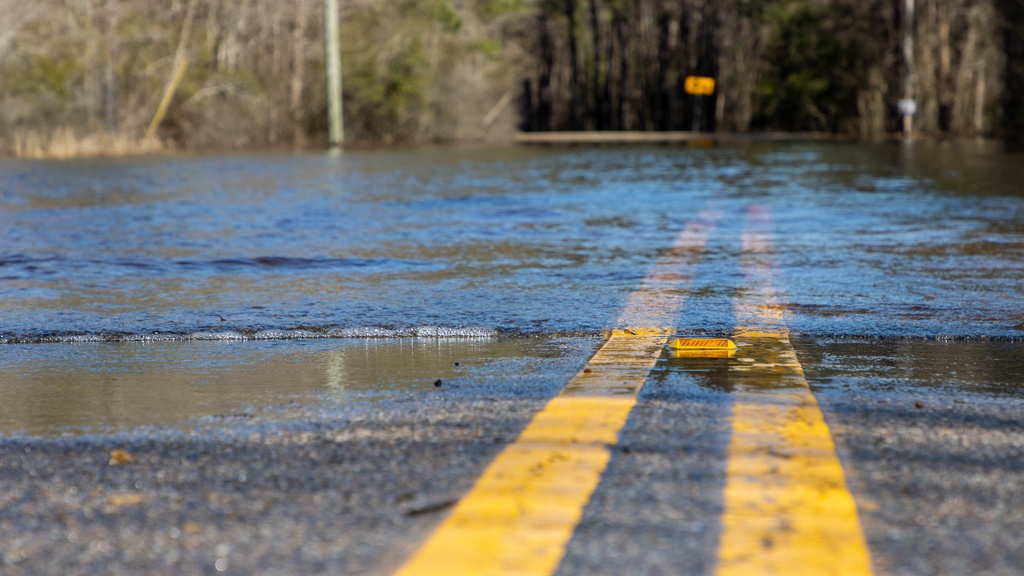
You’re driving home after a heavy storm when the road suddenly disappears beneath a sheet of brown water. The other side looks close enough, and the water doesn’t seem particularly deep. Turning around feels inconvenient, especially when you’ve traveled the same route for years.
That familiar road can hide dangers you can’t judge from the driver’s seat. Floodwater changes quickly, and a shallow-looking crossing may threaten even a large vehicle. Understanding why these conditions become dangerous can help you make a safer decision before the next downpour. Continue reading to discover why flooded roads are more dangerous than they look.
Depth Can Fool Your Eyes
A flooded street doesn’t come with a reliable depth marker. Water may cover a gentle dip near the curb or fill a much deeper section near a drainage channel. Muddy water can hide washed-out pavement and sharp debris.
Don’t use nearby fence posts or the height of a curb to estimate whether your vehicle can cross. You can’t know the condition of every section beneath the water. Turn around instead of treating a visual guess as a safety check.
Moving Water Has Real Power
A narrow stream crossing a road might look harmless from a distance. Yet moving water pushes continuously against anything in its path.
Six inches of fast-moving water can knock an adult off their feet. That threat grows when the current carries someone toward a ditch or a culvert.
Water doesn’t need to look like a raging river to create dangerous force. Don’t step into a flooded crossing to test it for a vehicle. Walking into the current can turn one emergency into another.
Vehicles Can Lose Their Grip
Drivers sometimes trust a heavy SUV to push through water that would stop a small car. Unfortunately, vehicle size doesn’t cancel the force of moving water.
As water rises around a vehicle, buoyancy reduces the tires’ contact with the pavement. The current can then push the vehicle sideways, leaving the driver with little control.
A foot of rushing water can carry away many cars. Deeper moving water can sweep away larger vehicles, including trucks. Four-wheel drive can’t provide traction once the tires lose their grip.
The Road Might Be Gone
Floodwater can damage a road before anyone arrives to inspect it. A strong current may wash soil away beneath the pavement or erode the shoulder beside a narrow crossing.
From behind the windshield, the road may still appear to follow its usual route. Underneath, a portion could have collapsed or lost the ground that supports it.
Driving forward could send a tire into a hidden hole or pull the vehicle toward an unstable edge. The only dependable choice is to avoid the crossing until local officials confirm safe access.
Darkness Hides the Warning Signs
Flooded roads become especially deceptive after sunset. Headlights reflect off wet surfaces, making it harder to distinguish standing water from deeper flooding.
Rain on the windshield can obscure the road’s edges. A driver might notice water only after entering a low spot, when turning around becomes more difficult.
Reduce your speed during heavy rain and stay alert for flooded areas. If the road ahead looks questionable, stop at a safe location before reaching the water. Never rely on headlights to reveal hidden damage below the surface.
Low Crossings Change Quickly
A road that stays dry during ordinary rain can flood suddenly when nearby creeks rise. Culverts may struggle with heavy runoff, sending water across pavement that usually drains without trouble.
Conditions upstream can also influence the crossing. Rainfall miles away may send a surge downstream after the local storm appears to end.
Pay extra attention near bridges or roads that descend into valleys. Check official alerts before traveling through areas prone to flooding. Familiarity with a route shouldn’t outweigh a current warning.
Electricity Adds Hidden Danger
Severe storms can knock power lines onto roads or nearby ground. When water covers electrical equipment, the danger may extend beyond the spot where the wire lands.
Avoid flooded areas near downed power lines and damaged utility equipment. Keep your distance and contact emergency services or the utility provider from a safe location.
Never touch a fallen wire or enter water to retrieve belongings. Even if an electrical line looks inactive, treat it as energized until qualified utility personnel address the hazard.
Floodwater Isn’t Clean
A flooded roadway may contain more than rainwater. Runoff can carry sewage or chemicals from nearby properties.
People who wade through the water may also encounter broken glass or other sharp debris. Even a small cut can create an opportunity for contamination.
Keep children and pets away from flooded streets, including areas where the current seems slow. Avoid direct contact with floodwater whenever possible. A shortcut isn’t worth an injury or exposure to harmful substances.
A Stalled Car Changes Everything
Floodwater can interfere with an engine or electrical components, leaving a driver stranded in a dangerous location. The water may continue rising while the vehicle sits motionless.
If rising floodwater surrounds your car and you can reach higher ground safely, leave the vehicle promptly. Don’t step into a strong current or attempt to cross deeper water on foot.
Call 911 if you become trapped, and provide your location as accurately as possible. Follow emergency responders’ instructions. Protecting your life takes priority over trying to save the vehicle.
Barricades Are There for a Reason
An empty road beyond a closure sign may tempt drivers to slip around a barricade. That decision ignores the hazard officials identified.
Crews may have closed the road because the pavement has suffered damage or because water continues rising. A closure can remain necessary even after the rain stops.
Respect warning signs and don’t move barriers to take a familiar shortcut. Check for official reopening information before returning to the route. A few extra miles are preferable to entering an unsafe crossing.
Rescuers Face Serious Risks
When a vehicle enters floodwater, rescuers may have to approach swift currents or unstable ground. Strong water movement can make reaching a stranded driver difficult.
It’s important that public safety teams have proper flood-response gear and the specialized training needed for water rescue. Protective equipment alone can’t make an uncontrolled current safe.
If you see someone trapped, call emergency services and share their location. Don’t enter the water to attempt a rescue without the necessary qualifications. A well-intended attempt can put another person in danger.
Build a Safer Travel Plan
Before leaving during heavy rain, check weather warnings and road closure updates from local authorities. Choose routes that avoid low-water crossings whenever possible.
Allow extra travel time so you won’t feel pressure to take chances. Keep your phone charged and let someone know when you expect to arrive.
If flooding blocks your route, turn around where you can do so safely. Don’t follow another driver into the water. Their decision doesn’t reveal the crossing’s depth or condition.
The Safest Choice Is Simple
Understanding why flooded roads are more dangerous than they look begins with recognizing what water can hide. A familiar street may conceal damaged pavement, while a modest current can overpower a vehicle.
The next time rain covers the road ahead, resist the urge to test your luck. Find a safe alternate route or postpone the trip. Getting home later is always better than turning a flooded crossing into an emergency.