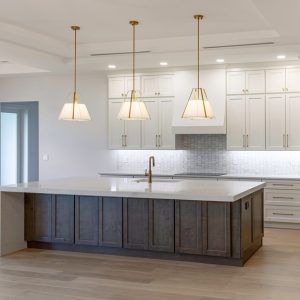
Retail Strategies for Selling Home Décor
The home decor market is unique because it sits right at the intersection of necessity and emotion. Customers are rarely looking for just a lamp or a rug; they are looking for comfort, style, or a way to express their personality in their sanctuary. For retail business owners, this emotional connection presents a significant opportunity but also poses a specific challenge. You are not just moving inventory units. You are selling a lifestyle.
Success in this sector requires more than just stocking beautiful items. It demands a strategic approach to how your store presents those items and to managing the delicate balance between fleeting trends and timeless classics. Whether you run a boutique storefront or a large showroom, refining your home decor retail sales strategy is essential to turning browsers into buyers and inventory into profit.
The Power of Immersive Visual Merchandising
Visual merchandising is called the “silent salesperson” for a reason. In the home decor industry, context is everything. A stack of folded throw blankets on a shelf might look organized, but it does little to inspire a purchase.
However, that same blanket draped casually over the arm of a leather armchair, next to a side table holding a ceramic mug and an open book, tells a story. It invites the customer to imagine themselves in that scene.
How To Display Merchandise
Retailers must move away from standard shelving and embrace vignettes. These are small, curated displays that mimic real-life settings. When you group products by style, color, or room function rather than by category, you help the customer visualize how the items will look in their own homes.
This approach also encourages cross-selling. A customer looking for a sofa is far more likely to buy the coordinating scatter cushions and the rug underneath it if they see them styled together effectively.
Lighting plays a critical role in these displays. Poor lighting can make high-quality furniture look drab or cheap. Ensure your showroom utilizes a mix of ambient, task, and accent lighting to highlight textures and finishes.
The goal is to create an atmosphere that feels warm and inviting, encouraging customers to linger and explore. When a customer feels comfortable in your space, they are more inclined, subconsciously, to bring a piece of that space home with them.
Elevating Staff to Design Consultants
One of the biggest hurdles home decor shoppers face is a lack of confidence. They might love a piece but fear it won’t fit their space or match their existing furniture. This is where your staff becomes your greatest asset. In a home decor retail setting, employees should be trained to act less like cashiers and more like design consultants.
Invest in training that gives your team a foundational understanding of color theory, spatial planning, and current design trends. When a staff member can explain why a warm-toned wood table complements cool-toned grey walls, or how to properly size a rug for a dining room, they build immense trust with the customer.
Encourage your team to ask the right questions. Instead of simply asking if a customer needs help finding something, they should ask about the customer’s current space, their color preferences, or the mood they are trying to create. This level of service not only closes sales but fosters long-term loyalty, as customers will return to your store for future projects knowing they will receive expert advice.
Balancing Trend-Driven and Timeless Inventory
Inventory management in home decor is a constant balancing act. On one side, you have trend-driven pieces—the “it” colors of the year, specific patterns, or novelty items that are popular on social media.
On the other side, you have the evergreen staples—neutral sofas, classic dining sets, and versatile lighting. Relying too heavily on either category can be dangerous for your bottom line.
A store full of trendy items risks looking dated within a few months if the stock doesn’t move, leading to markdowns and lost revenue. Conversely, a store that ignores trends entirely can feel stale and uninspiring. The most successful retailers strike a strategic balance.
Staying Timeless and Trendy
A common approach is to anchor your inventory with high-quality, timeless basics that act as the foundation of your sales. These are the investment pieces customers expect to last for years.
You can then layer in trend-driven accessories, such as textiles, vases, and artwork. These lower-cost items allow customers to update their homes without a major financial commitment, making them easier upsells. These items also work well as decorative gifts that make a house a home, so customers will purchase them for their own homes or for friends.
From a business perspective, this strategy minimizes risk. If a particular color trend dies out, it is much easier to discount a few cushion covers than a showroom full of velvet sofas. By keeping your core inventory classic and your accessories current, you keep your store looking fresh and relevant while protecting your profit margins.
Fostering Community Through Events
Brick-and-mortar retail has the distinct advantage of physical space, which can be used to build community. Transforming your store from a place of transaction to a destination for inspiration can significantly boost engagement and sales.
Hosting workshops and events is an excellent way to get new faces through the door and give existing customers a reason to return.
What Events To Host
Consider hosting a styling workshop where you teach customers how to arrange a bookshelf or set a holiday table. You could collaborate with local interior designers, florists, or artists to host talks or pop-up events. These experiences provide value to your customers beyond the products you sell. They position your store as a hub of creativity and expertise in your local area.
During these events, the sales pressure is low, which paradoxically often leads to higher sales. Participants are surrounded by your inventory in a relaxed, social setting. As they learn how to style a space, they naturally identify items they want to buy. Even if they don’t purchase immediately, the positive association they form with your brand creates a lasting impression that pays dividends in the long run.
Next Steps for Transforming Your Retail Space
Selling home decor in retail is about bringing a vision to life. With these strategies, you create a retail environment that resonates deeply with buyers.
Take a walk through your store today with fresh eyes. Look at your displays, listen to your staff’s conversations with customers, and review your digital footprint. Small tweaks in how you present your products and your brand can lead to significant shifts in how customers perceive—and purchase from—your business.