Painting Tips That Make Any DIY Project Easier for Beginners
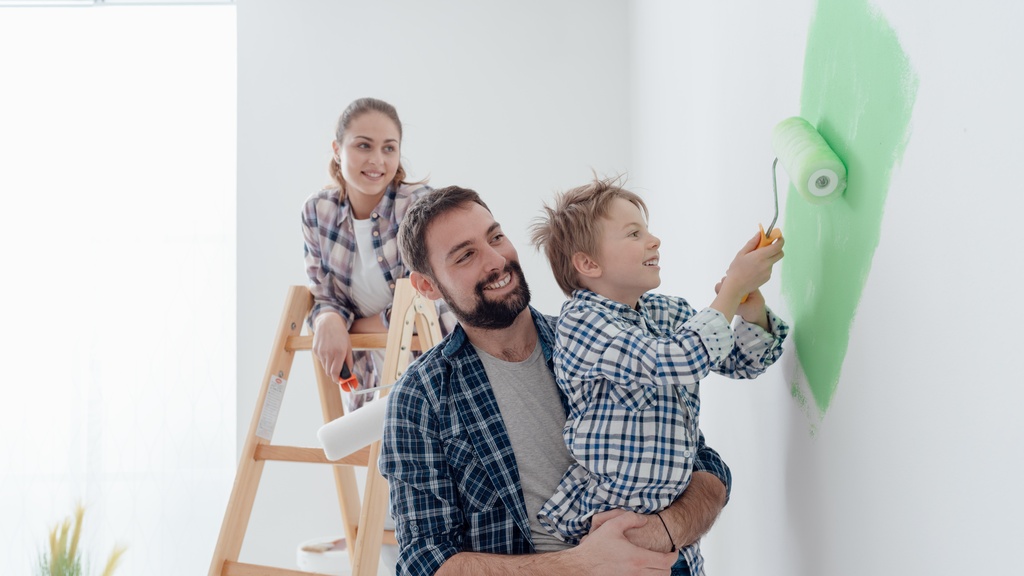
Taking on a DIY painting project can feel both exciting and overwhelming, especially for busy parents trying to refresh a space without hiring help. The good news is that a few smart strategies can make the process smoother and far more enjoyable.
With the right preparation and mindset, even first-time painters can achieve results that look polished and intentional. Read on to learn several painting tips that make any DIY project easier for beginners.
Start With a Clear Plan
Before opening a paint can, take time to visualize the finished space and decide on your goals. Think about how the room functions and how color will support that purpose. A calm bedroom might benefit from softer tones, while a playroom can handle brighter energy.
Measure your walls and calculate how much paint you will need to avoid last-minute store runs. Planning also helps you budget and prevents unnecessary waste. When you know what to expect, the project feels far less stressful.
Additionally, create a simple timeline that fits your schedule, especially if you are balancing family responsibilities. Breaking the project into smaller steps makes it easier to manage. A clear plan keeps you focused and motivated from start to finish.
Choose the Right Paint Finish
Paint finish affects both the look and durability of your project, so it deserves careful consideration. Flat finishes hide imperfections well, while satin and semi-gloss finishes clean more easily. Families with kids often benefit from finishes that handle frequent wiping.
Test small samples on your wall before committing to a full gallon. Lighting changes throughout the day, and colors can look very different at various times. Seeing the paint in your actual space prevents surprises later.
It is also wise to consider how much traffic the area receives when choosing your finish. High-touch areas like hallways need durable options. Matching the finish to the room helps your paint job last longer.
Prep the Surface Properly
Another painting tip that will make any DIY project easier for beginners is to prepare the surfaces. Clean the walls to remove dust, grease, and fingerprints that can interfere with adhesion. Even a quick wipe-down can improve results.
Fill holes or cracks with spackle and sand them smooth once dry. Uneven surfaces show through paint, so this step creates a cleaner final look. Taking time here saves frustration later.
You should also use the right 3M masking tape to protect trim, outlets, and edges before you begin. By taking these steps in advance, you’ll avoid errors and achieve sharp, professional-looking edges.
Invest in Quality Tools
High-quality brushes and rollers make painting easier and more efficient. Cheap tools often shed bristles or create uneven coverage, which adds extra work. Spending a little more upfront improves the overall experience.
Choose the right brush size for your project to maintain control. Smaller brushes work well for trim, while wider brushes cover larger areas faster. Matching tools to the task helps you work more comfortably.
Load Your Brush and Roller Correctly
Many beginners struggle because they use too much or too little paint on their tools. Dip your brush about one third of the way into the paint, then tap off the excess. This method gives you better control and reduces drips.
Rollers should be evenly coated but not dripping before touching the wall. Roll the paint onto the tray surface to distribute it evenly. A properly loaded roller creates smoother coverage.
Consistent loading helps you maintain an even finish across the wall. It also reduces the need for constant corrections. Small adjustments in technique make a noticeable difference.
Don’t Forget About Primer
Primer creates a smooth base that helps paint adhere better and look more vibrant. It becomes especially important when covering dark colors or painting new drywall. Skipping the primer can lead to uneven coverage.
Apply primer evenly and allow it to dry completely before painting. Rushing this step can affect the final appearance. Patience here leads to a more polished result.
Consider tinted primer if you are making a significant color change. It reduces the number of paint coats needed. This approach saves both time and effort.
Master Basic Painting Techniques
Use long, even strokes when applying paint to avoid streaks and patchy areas. Start from one corner and work your way across the wall in a consistent pattern. This method keeps coverage uniform.
Avoid overloading your brush or roller with too much paint. Excess paint can drip, creating uneven textures. A balanced amount gives you better control.
Blend edges while the paint is still wet to prevent visible lines. Working steadily helps maintain a seamless finish. Practice improves your confidence with each stroke.
Work in the Right Order
Painting in the correct sequence simplifies the entire process. Start with ceilings, then move to trim, and finish with the walls. This order prevents drips from ruining completed sections.
Allow each coat to dry before applying the next layer. Rushing can cause streaks or peeling. Following a proper order ensures a cleaner finish.
Keep your workspace organized so you can move efficiently between steps. Having everything within reach saves time. A smooth workflow keeps the project enjoyable.
Manage Drying Time and Ventilation
Proper ventilation helps paint dry evenly and reduces strong odors in your home. Open your windows or use fans to improve airflow during the project. This step creates a more comfortable environment for your family.
Check drying times listed on the paint can and follow them closely. Applying a second coat too soon can ruin the first layer. Patience leads to better results.
Plan your project around your daily routine to minimize disruption. Painting in stages allows rooms to remain usable. A thoughtful schedule makes the process easier for everyone.
Clean Up and Maintain Your Work
Cleaning up properly extends the life of your tools and keeps your space tidy. Wash brushes and rollers immediately after use to prevent the paint from hardening. Quick cleanup saves effort later.
Store leftover paint in sealed containers for future touch-ups. Label each can clearly with the room and color. This simple step helps you stay organized.
Inspect your finished work after everything dries and make small corrections if needed. Touch-ups improve the final appearance. A little extra attention makes a big difference.
Get Ready To Transform Your Spaces
With these strategies in mind, you can approach your next painting project with clarity and confidence. A fresh coat of paint can transform a space and bring new energy into your home. The key lies in preparation, patience, and a willingness to learn along the way.