A Functional Kitchen: Simple Improvements, Big Impact
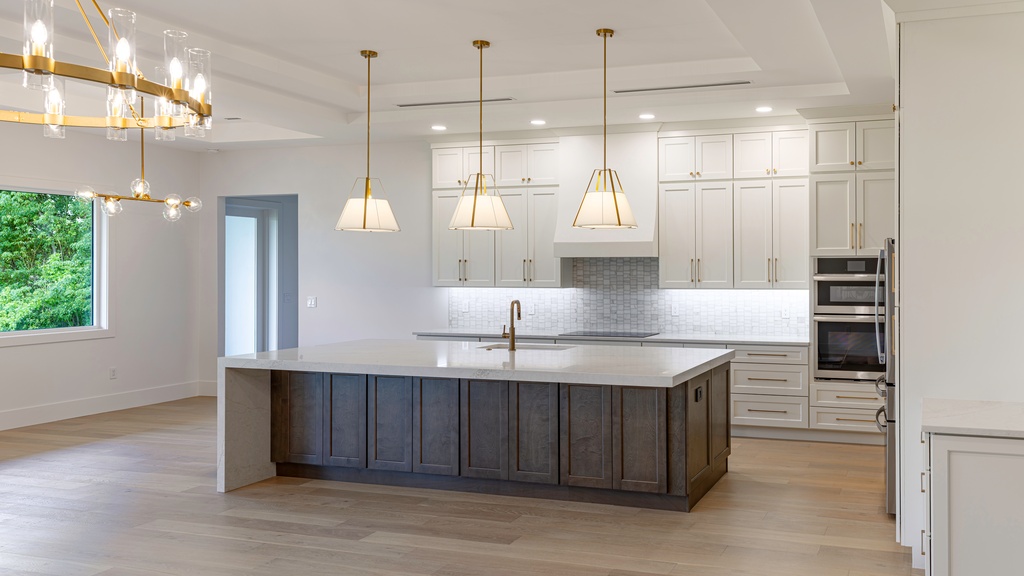
A kitchen should make daily life feel easier, not force people to work around awkward layouts or inconvenient storage. Even a well-designed room can lose its practical value as household habits change and older features start to feel less useful. Small improvements can restore order without the cost or disruption of a complete remodel.
Function often depends on details that seem minor at first. A drawer that opens with ease, a clear counter near the stove, or a better light above a work area can alter daily use. These changes may appear modest, but their effect becomes clear each time someone prepares a meal or puts dishes away.
Major construction is not always necessary. Existing cabinets and fixtures may still have plenty of useful life when a few targeted updates correct persistent problems. These simple updates to make a kitchen more functional respond naturally to everyday routines and feel comfortable from morning through evening.
Create Work Areas That Feel Natural
Every kitchen has areas where certain tasks occur more often. When utensils, dishes, and appliances sit far from those locations, simple meal preparation can require unnecessary trips across the room. A few changes to item placement can make the entire layout feel more intuitive.
Pay attention to where people naturally reach during regular kitchen use. Plates near the dishwasher make sense, just as cookware deserves space close to the stove rather than across the room. Such decisions allow the existing layout to work harder without structural changes.
Give Cabinets Clear Roles
Cabinets can become crowded when items enter them without any clear sense of purpose. Over time, useful tools disappear behind rarely used objects, and basic kitchen tasks require frustrating searches through deep shelves. Assigning each cabinet a specific role can restore order.
Storage should reflect actual household habits instead of old routines. A cabinet near the preparation area can hold everyday dishes, whereas less accessible spaces can contain items that see occasional use. The kitchen starts to feel calmer once every object has a sensible home.
Improve How Drawers Open and Close
Old drawer hardware can make otherwise attractive cabinets feel tired. Stiff slides may resist movement, and worn components can cause drawers to shift or close with an abrupt impact. Modern hardware offers a simple way to refresh these frequently used spaces.
Learning more about the era of soft-closing drawer slides will help homeowners understand how modern hardware can refine daily cabinet use. A controlled close gives drawers a smoother feel and reduces the harsh contact common with older systems. Quality slides can also complement existing cabinetry without the need for full replacement.
Reclaim Valuable Counter Space
A counter can lose much of its usefulness when appliances and household objects occupy every available section. Even a large kitchen may feel cramped once preparation areas become permanent storage zones. Clearing those surfaces can produce an immediate change.
Consider how often each countertop appliance actually sees use. A coffee maker may earn a permanent place, but equipment used several times per year can rest inside a cabinet. More open space gives everyday kitchen tasks room to unfold without unnecessary obstacles.
Make Pantry Space Easier To Use
Deep pantry shelves often seem generous until packages disappear behind one another. Forgotten food can remain hidden for months, and household members may purchase duplicates because existing supplies remain difficult to see. Better shelf use can correct this frustration.
Keep regular staples where they remain easy to identify and reach. Less common products can occupy higher or deeper areas without interfering with everyday access to food used each week. A pantry feels far more useful when its contents remain visible rather than packed into every available inch.
Bring More Light to Work Areas
A kitchen may have attractive ceiling fixtures and still leave important counters in shadow. Dark preparation areas can feel uncomfortable, especially near upper cabinets that block overhead light from reaching the work surface. Focused task light can solve the problem with minimal disruption.
Under-cabinet fixtures can direct illumination exactly where food preparation occurs. Natural daylight also deserves attention, since bulky window treatments may block useful light from entering the room. A brighter workspace can change the atmosphere without altering the kitchen’s basic design.
Refine the Sink Area
Few parts of a kitchen receive as much daily use as the sink. Food preparation and countless household tasks pass through this compact area every day. Poor organization here can affect the rhythm of the entire room.
Keep essential sink supplies close without allowing them to overwhelm nearby counters. The cabinet below can also offer useful space when shelves or compact storage pieces fit around existing plumbing. Simple changes can make this busy area feel less crowded and easier to manage.
Select Hardware That Feels Comfortable
Cabinet hardware has a direct relationship with daily kitchen use. A beautiful knob can still become frustrating when its shape feels awkward or offers too little surface for a comfortable grip. Function deserves as much attention as appearance.
Consider how a handle feels when someone reaches for it repeatedly throughout the day. Smooth edges and sensible proportions can suit natural hand movement without drawing unnecessary attention away from the cabinetry. New hardware can also refresh an older kitchen with surprisingly little effort.
Put Everyday Tools Where They Belong
Frequently used kitchen tools should not require a search each time someone needs them. When utensils occupy distant drawers or hide beneath rarely used equipment, routine meal preparation becomes less efficient. Better placement can solve that issue without adding more storage.
Give prime cabinet and drawer space to objects that support normal household habits. Specialty tools can remain in secondary areas until a recipe or event calls for them. This approach keeps the most convenient spaces focused on items that truly deserve immediate access.
Refresh Worn Kitchen Surfaces
Daily kitchen use eventually leaves marks on counters, backsplashes, grout, and other exposed surfaces. Minor wear does not always justify replacement, especially when the material remains structurally sound and still suits the room. Targeted repairs can restore a cleaner appearance.
Fresh caulk can revive tired edges, and renewed grout may transform an older backsplash without extensive work. Sealant can also restore protection where an existing surface needs extra care rather than removal. Such updates preserve useful materials and give the kitchen a more polished presence.
Creating a more functional kitchen emerges from thoughtful changes rather than a complete renovation. Small frustrations often reveal exactly where the room needs attention, whether a stubborn drawer interrupts use or poor storage makes everyday items difficult to reach. Address those problems first.
Each improvement should support the habits of the people who use the kitchen every day. Better access, comfortable hardware, useful work areas, and refreshed surfaces can work together without changing the entire character of the room. The result feels intentional rather than excessive.
A kitchen does not need dramatic changes to make a noticeable impact on daily life. Careful updates can help an existing space respond better to household routines and make familiar areas feel fresh again. When function leads each decision, even simple improvements can give the room renewed purpose.