Can One Battery Handle Your Entire Boating Day?
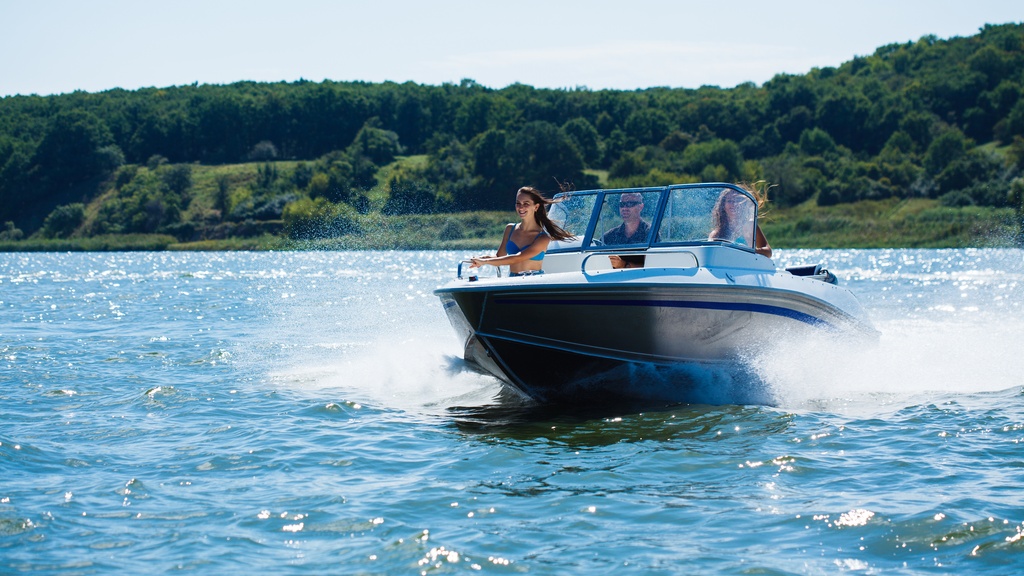
The sun’s coming up, and you’ve got a full day ahead. Maybe you’re heading toward a quiet fishing spot or cruising between favorite coves. Then a familiar question pops up before you leave the dock. Will one battery keep everything running your entire boating day?
The answer depends on how you use your boat. A small setup with modest electrical needs might do fine with a single properly matched battery. A boat that relies on a trolling motor for hours faces a different challenge. Before guessing, take a closer look at where your power goes.
Count Every Electrical Job
Start by thinking beyond the motor. A battery may start the outboard and keep navigation lights running after sunset.
Adding a livewell pump or a stereo increases daily demand. Some accessories run continuously, while others draw power only when you switch them on.
Write down which devices use electricity and how long each one operates. Check their manuals for current draw rather than assuming every accessory uses about the same amount.
Know What Your Battery Does
Understanding the different types of boat batteries makes the decision easier. Starting batteries provide the short burst of power an engine needs to crank. Deep-cycle batteries handle longer periods of accessory use and repeated discharge.
Dual-purpose models balance those jobs for boats with moderate electrical demands. They can make sense when space limits the setup to one battery, provided the battery meets the engine’s starting requirements.
A starting battery alone isn’t a good choice for hours of heavy trolling. Ask one battery to perform the wrong job, and you may sacrifice both runtime and dependable starting.
Look Past the Label
Battery capacity usually appears in amp-hours, often abbreviated Ah. That number helps describe how much current a battery can supply over time under specified conditions.
Imagine an accessory drawing ten amps for five hours. It would use roughly 50 amp-hours, before accounting for other loads or operating losses.
Don’t assume the full rated capacity is available for every trip. Battery chemistry and discharge conditions influence usable energy. Leave a sensible reserve instead of planning to arrive at the dock with nothing left.
Give Trolling Motors Their Due
A trolling motor can become the biggest electrical demand on a fishing trip. Running at a gentle speed typically draws less current than fighting wind or pushing against a strong current.
Check the manufacturer’s current-draw information for your exact model. Use your usual speeds to estimate daily demand, then allow extra capacity for difficult conditions.
One battery might handle a short morning of trolling but struggle during an all-day outing. The number of hours on the water means little without knowing how hard the motor works.
Check the Required Voltage
Not every trolling motor operates on a 12-volt system. Some require 24 or 36 volts, and the battery arrangement must match that requirement.
A single 12-volt battery can’t properly replace a system that needs 24 volts. Certain compatible lithium packs provide a higher voltage in one case, but you still need the correct specifications and protection.
Follow the motor manufacturer’s wiring guidance. Don’t mix battery chemistries within a bank or improvise connections just to reduce the number of batteries aboard.
Protect Your Starting Power
Imagine spending hours fishing with the electronics running, only to discover that the outboard won’t start for the trip home. That’s the biggest drawback of asking one battery to perform every task.
A dedicated starting battery separates engine cranking from trolling and other extended loads. Even a dual-purpose battery needs sufficient charge left to meet the outboard’s cranking requirements.
If your boat uses only one battery, monitor consumption carefully and avoid unnecessary loads while anchored. A practical power plan includes the ability to return safely, not just enough energy to reach your favorite fishing spot.
Compare Battery Chemistries
Traditional flooded lead-acid batteries can offer a lower upfront cost, but weight and maintenance may influence the decision. AGM batteries offer a sealed lead-acid alternative with different care requirements.
Lithium iron phosphate, or LiFePO4, batteries often deliver useful capacity with less weight. Their voltage characteristics can also support consistent performance through much of a discharge cycle.
That doesn’t make every lithium model suitable for starting an engine. Check the approved application and maximum discharge rating, especially if you want one unit to handle several jobs.
Plan for the Weather
Wind changes the way a boat uses energy. On a calm lake, a trolling motor may barely work to hold position. A gusty afternoon can make that same motor pull much harder.
Temperature also influences battery behavior. Cold conditions can affect available performance, and some lithium batteries prohibit charging below certain temperatures without approved protection.
Check the forecast before leaving and adjust your plans if conditions increase power demand. A buffer in your capacity estimate can help when a calm morning becomes a difficult ride.
Don’t Count on Free Charging
An outboard’s charging system can replenish some energy while the engine runs, but charging performance varies by engine and operating conditions.
A short ride or a long period at idle may not replace the energy that accessories consumed. Check the outboard’s specifications before assuming the battery will recover between fishing spots.
Lithium upgrades demand extra care because the engine charging system must support the battery’s requirements. Some installations need dedicated charging equipment or current limiting. Ask a qualified marine technician before changing the setup.
Watch Your Battery Health
A fully charged battery doesn’t automatically have the same usable capacity it offered when new. Age and repeated demanding use can reduce performance.
Check terminals for corrosion and inspect cables for damage before a trip. Secure the battery against movement and follow the manufacturer’s instructions for charging after use.
A suitable battery monitor can help track energy consumption. For lithium systems, a compatible state-of-charge monitor often gives more useful information than relying only on voltage readings.
Think About the Whole Boat
Adding a second battery isn’t always as simple as finding room for another box. The boat needs suitable mounting space and properly protected wiring. Additional weight also affects loading.
For a small boat with basic electronics, a properly sized dual-purpose battery might be enough. An angler running a powerful trolling motor all afternoon may benefit from a separate deep-cycle system. Your boat’s equipment and operating habits should drive the decision.
Test Before the Long Trip
The best time to discover an electrical limitation isn’t halfway across the lake. Test your usual accessories during a shorter outing and note how much energy they consume.
Pay attention to trolling speed and operating hours. Compare the results with your battery monitor or the manufacturer’s capacity guidance.
If the battery approaches its safe discharge limit earlier than expected, reduce the load or revisit the system design.
Make Every Hour Count
So, can one battery handle your entire boating day? Sometimes it can, particularly when the boat has modest electrical needs and the battery suits every job. Heavy trolling and multiple accessories can change that answer quickly.
Work out your power demand before choosing a battery. Check your motor’s requirements and leave enough reserve for an unexpected change in plans. With the right setup, you can spend less time worrying about the charge level and more time enjoying the water.