How Cities Can Modernize Infrastructure Without Disrupting Daily Life
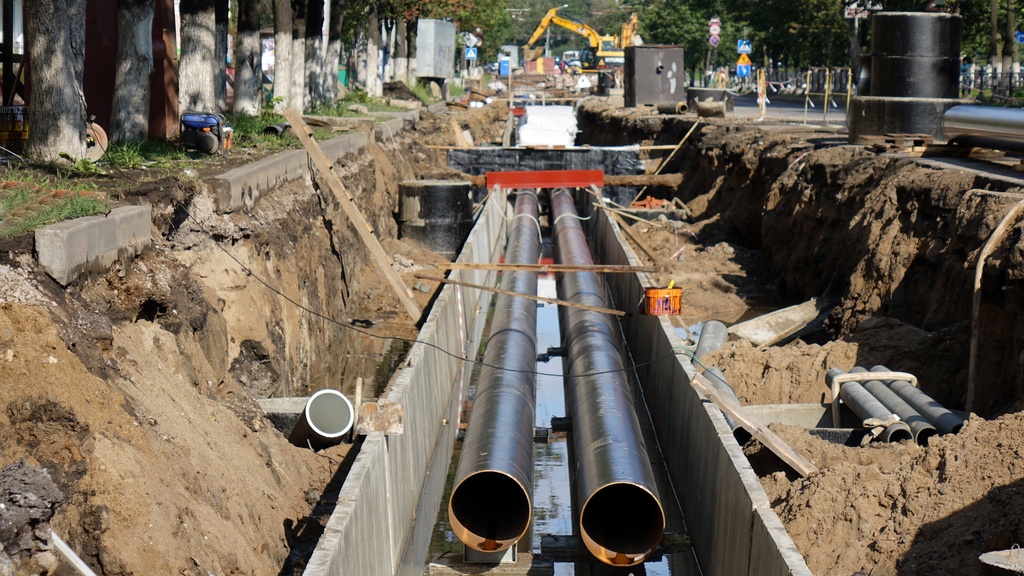
Modern cities face growing pressure to upgrade aging infrastructure while keeping everyday life running smoothly. Roads, utilities, and public systems all require updates to meet current demands, yet residents and businesses depend on uninterrupted access to these services. Understanding how cities can modernize infrastructure without disrupting daily life requires a balance of strategic planning, smart technology, and thoughtful execution.
The Challenge of Aging Infrastructure
Many urban systems in the United States and beyond are decades old, and often don’t have the capacity to support today’s needs. Water systems, roads, bridges, and utility networks are showing signs of wear, and in some cases, they are operating beyond their intended lifespan. Replacing or upgrading these systems is essential, yet doing so without interrupting essential services presents a unique challenge.
Infrastructure projects are not isolated events. A single road closure can affect commuting patterns, business operations, emergency response times, and even local economies. This interconnectedness makes it critical for city planners to adopt strategies that address both the technical and human sides of modernization.
Phased Development as a Core Strategy
One of the most effective ways to limit disruption is through phased development. Rather than attempting large-scale overhauls all at once, cities can divide projects into smaller, more manageable segments. This approach allows work to progress steadily while minimizing the impact on any single area.
Phased development also provides valuable flexibility. If a particular phase encounters delays or unforeseen complications, adjustments can be made without derailing the entire project. This adaptability is especially important in dense urban environments where conditions can change quickly.
By focusing on smaller sections at a time, municipalities can maintain access to essential services and infrastructure. Residents may experience temporary inconvenience, but it is far less disruptive than a citywide shutdown.
Using Data to Drive Smarter Decisions
Modern infrastructure planning increasingly relies on data. Smart sensors, monitoring systems, and predictive analytics give cities a clearer understanding of how their infrastructure performs in real time. This insight allows planners to prioritize upgrades where they are needed most.
Monitoring water systems in real time enables municipalities to detect leaks or inefficiencies early. By understanding how different components of a system interact, planners can make targeted upgrades rather than overhauling entire networks. Knowing the different types of municipal storage tanks and their applications can provide useful context when evaluating how existing infrastructure fits into modernization efforts.
Coordinating Multiple Projects Efficiently
Another important strategy involves coordination. Infrastructure upgrades rarely happen in isolation, yet poor coordination can lead to repeated disruptions in the same area. For example, if a road is opened for utility work and then reopened again months later for another upgrade, the cumulative inconvenience can frustrate residents and businesses.
Cities can avoid this by aligning multiple projects within the same timeframe and location. When utilities, roadwork, and other upgrades are handled simultaneously, disruptions are consolidated rather than repeated. This approach requires careful planning and collaboration across departments, but the payoff is a smoother experience for the public.
Coordination also extends to communication between contractors, engineers, and municipal agencies. When all parties are aligned, projects move more efficiently, and delays are less likely to occur.
Communicating Clearly with Residents
Even the most well-planned project will cause some level of disruption. What separates a successful project from a frustrating one is how well the city communicates with its residents. Transparency builds trust and helps people prepare for temporary inconveniences.
Clear communication includes providing timelines, explaining the purpose of the project, and offering updates as work progresses. Digital platforms and community meetings all play a role in keeping the public informed. When residents understand why a project is happening and how long it will last, they are more likely to be patient and cooperative.
Communication also creates an opportunity for feedback. Residents can share concerns and offer insights that may improve the overall process. This two-way interaction strengthens the relationship between municipalities and the communities they serve.
Scheduling Work to Minimize Impact
Timing is a powerful tool in reducing disruption. Infrastructure work does not always need to occur during peak hours. By scheduling construction during nights, weekends, or off-peak seasons, cities can significantly reduce the impact on daily life.
For example, roadwork conducted overnight can prevent major traffic delays during the day. Similarly, scheduling upgrades during seasons with lower demand can ease the burden on both residents and local businesses.
While off-peak scheduling may increase certain costs, the benefits often outweigh the drawbacks. Reduced congestion and fewer economic disruptions make it a worthwhile investment.
Designing for Long-Term Resilience
Short-term fixes may solve immediate problems, but they often lead to recurring disruptions. Investing in long-term solutions is key to minimizing future interruptions. Durable materials, scalable systems, and forward-thinking designs ensure that infrastructure can handle growth and changing conditions.
Choosing robust components, such as high-strength concrete or ductile iron, ensures structural integrity against heavy loads and constant use. This focus on enduring materials prevents premature wear and reduces the frequency of replacements, which are often costly and disruptive. Furthermore, selecting the right design for catch basin frame grates helps manage stormwater effectively, preventing localized flooding and protecting underlying road structures from water damage. A properly installed system can withstand environmental stressors, diverting water efficiently and minimizing maintenance needs for decades.
Resilient infrastructure is also better equipped to withstand environmental challenges. As cities face more extreme weather events, systems must be designed to adapt and recover quickly. This reduces the likelihood of emergency repairs and the disruptions that come with them.
Planning for the future also means considering how infrastructure will evolve. Flexible designs allow for upgrades and expansions without requiring complete reconstruction. This adaptability is essential for cities that expect continued growth.
Incorporating Community Needs into Planning
Infrastructure does not exist in a vacuum. It directly affects the people who live and work in a city. Incorporating community needs into planning ensures that modernization efforts align with real-world usage.
This can include designing pedestrian-friendly spaces, maintaining access to local businesses, and preserving essential services during construction. When cities take the time to understand how residents interact with infrastructure, they can make decisions that reduce inconvenience and improve overall satisfaction.
Community-focused planning also helps identify potential issues before they arise. By engaging with residents early in the process, cities can anticipate challenges and develop solutions that minimize disruption.
The Role of Innovation in Modernization
Innovation continues to shape how cities approach infrastructure upgrades. From modular construction techniques to advanced materials, new solutions are making it easier to complete projects quickly and efficiently.
Modular construction, for example, allows components to be built off-site and installed with minimal on-site disruption. This reduces construction time and limits the impact on surrounding areas. Similarly, advancements in materials can extend the lifespan of infrastructure, reducing the need for frequent repairs.
Successful project execution in complex urban environments often hinges on a blend of innovation and astute business practices. Adopting more efficient methods, from initial planning to final delivery, can significantly reduce costs and timelines. Businesses that proactively seek out and secure relevant projects are better positioned to leverage these advancements. Accessing reliable planning application data can help grow your construction business by identifying potential opportunities early on, ensuring a steady pipeline of work. This foundational step allows for more strategic resource allocation and project selection, directly influencing a company’s capacity to deliver infrastructure improvements without major disruptions.
Technology also enables better project management. Digital tools help track progress, manage resources, and identify potential delays before they become significant problems. This level of control allows cities to execute projects with greater precision.
Moving Forward with Minimal Disruption
Ultimately, modernizing city infrastructure and what municipalities can do comes down to thoughtful planning and execution. By combining phased development, smart technology, clear communication, and long-term investment, municipalities can upgrade essential systems while maintaining the rhythm of everyday life.