The Hidden Factors That Affect Motorcycle Handling
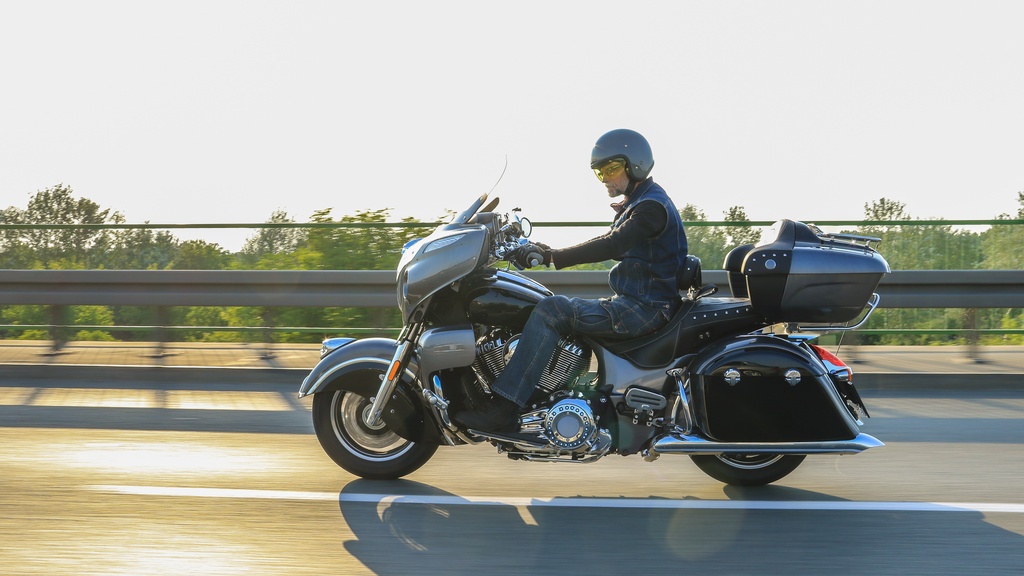
Motorcycle handling is often discussed in terms of horsepower, braking systems, or rider skill. While these elements certainly matter, many riders overlook several less obvious factors that can significantly influence how a motorcycle feels and performs on the road.
Whether navigating coastal highways, commuting through town, or enjoying weekend rides, understanding the hidden factors that affect motorcycle handling can help riders improve their safety, comfort, and confidence. A motorcycle that feels unstable, sluggish, or unpredictable may not necessarily have a major mechanical problem; in many cases, subtle issues are quietly affecting performance behind the scenes.
Tires Are More Than Just Rubber on the Road
One of the most important yet sometimes neglected aspects of motorcycle handling is tire condition and maintenance.
Tire Pressure Matters
Even small deviations from the manufacturer’s recommended tire pressure can affect a bike’s steering response and stability. Underinflated tires may cause sluggish handling and excessive heat buildup, while overinflated tires can reduce traction and create a harsher ride. Checking the tire pressure regularly is one of the simplest ways to maintain predictable motorcycle performance.
Tire Wear Patterns
Uneven tire wear can develop gradually, making changes in handling difficult to notice until they become significant. Flat spots, cupping, and uneven tread wear can affect cornering, braking, and overall ride quality. Riders should inspect the tires regularly and replace them when wear begins impacting bike performance.
Suspension Setup Often Goes Unnoticed
Many motorcycles leave the factory with suspension settings designed to accommodate a broad range of riders. However, these settings may not be ideal for every individual.
Rider Weight and Load Distribution
Carrying passengers, luggage, and additional gear changes the motorcycle’s balance. If suspension preload and damping are not adjusted accordingly, the motorcycle may feel unstable during acceleration, braking, or cornering.
Suspension Wear Over Time
Fork seals, shock absorbers, and suspension components gradually wear down. As bike performance deteriorates, riders may experience excessive bouncing, reduced cornering confidence, or poor traction on uneven surfaces. Routine motorcycle inspections can help riders identify suspension issues before they become serious safety concerns.
Wheel Alignment and Balance
Motorcycles rely on precise wheel alignment to maintain stability. Even slight misalignment can create handling issues that become more noticeable at higher speeds.
When the wheels are not properly aligned, riders may experience:
- Uneven tire wear
- Steering pull to one side
- Reduced cornering precision
- Increased rider fatigue
Wheel balance is equally important. An improperly balanced wheel can create vibration that affects comfort and control.
The Importance of Wheel Trueness
Many riders focus on the tires while overlooking the condition of the wheels themselves. Wheels that are not perfectly true can introduce subtle handling issues, vibration, and uneven wear. Understanding what motorcycle wheel truing is and why it matters allows riders to recognize how wheel accuracy contributes to overall riding performance and stability.
Steering Components Play a Major Role
The steering system includes several components that directly affect how a motorcycle responds to rider inputs.
Steering Head Bearings
Worn or improperly adjusted steering head bearings can cause wandering, instability, or a tendency for the handlebars to feel loose or notchy. Because these changes often occur gradually, riders may adapt to the problem without realizing their bike’s handling quality has declined.
Handlebar and Control Position
Ergonomics influence handling more than many people realize. Improper handlebar positioning can reduce leverage and make steering feel heavier, particularly during low-speed maneuvers. Small adjustments to the handlebars can improve rider comfort while enhancing control.
Chain and Drivetrain Condition
A poorly maintained chain does more than affect power delivery. An overly tight chain can restrict suspension movement, while an excessively loose chain may create inconsistent throttle response.
Both conditions can influence motorcycle stability and rider confidence. Regular chain inspection, cleaning, lubrication, and adjustment are essential parts of maintaining smooth performance.
Road Surface Conditions
Not all handling issues originate from the motorcycle itself.
Pavement Quality
Road surfaces vary significantly from one area to another. Potholes, pavement seams, gravel, and uneven repairs can all affect motorcycle stability. Along coastal regions and heavily traveled routes, weather and traffic often contribute to changing road conditions that challenge riders throughout the year.
Wind and Environmental Factors
Crosswinds are another commonly underestimated influence on bike handling. Strong gusts can affect motorcycles of all sizes, particularly lighter bikes or those carrying luggage. Riders traveling near open coastal areas frequently encounter wind conditions that require additional awareness and control inputs.
Weight Distribution and Cargo Placement
Many riders add luggage systems, saddlebags, or storage accessories without considering how weight placement affects motorcycle handling. Heavy cargo positioned high or far behind the rear axle can alter the motorcycle’s center of gravity. This may result in:
- Reduced steering responsiveness
- Increased braking distance
- Less stability during cornering
- Greater sensitivity to crosswinds
Distributing the weight evenly and following manufacturer load recommendations can help riders preserve predictable handling characteristics.
Rider Inputs Matter More Than Expected
Motorcycle handling is not solely determined by mechanical factors. Rider behavior also plays a major role.
Grip and Body Position
Many riders unintentionally create handling problems by gripping the handlebars too tightly. Excessive tension can reduce steering precision and make the motorcycle feel less stable. Maintaining a relaxed grip and using proper body positioning allows the motorcycle to respond more naturally.
Vision and Cornering Technique
Where a rider looks influences how smoothly the motorcycle navigates turns. Looking through corners rather than directly in front of the bike promotes smoother steering inputs and better balance. Developing strong riding habits improves handling perception just as much as mechanical adjustments.
Small Factors Add Up
The best motorcycle handling rarely comes from a single modification or repair. Instead, it results from a combination of properly maintained components working together as intended.
Tire pressure, suspension settings, wheel condition, alignment, steering components, drivetrain maintenance, and rider technique all contribute to the overall riding experience. While each hidden factor that affects motorcycle handling may seem minor on its own, their combined effect can dramatically influence stability, comfort, and confidence on the road. For riders seeking better bike performance and a safer ride, paying attention to these details can make all the difference.