Best Practices for Managing Overnight Outdoor Work Crews
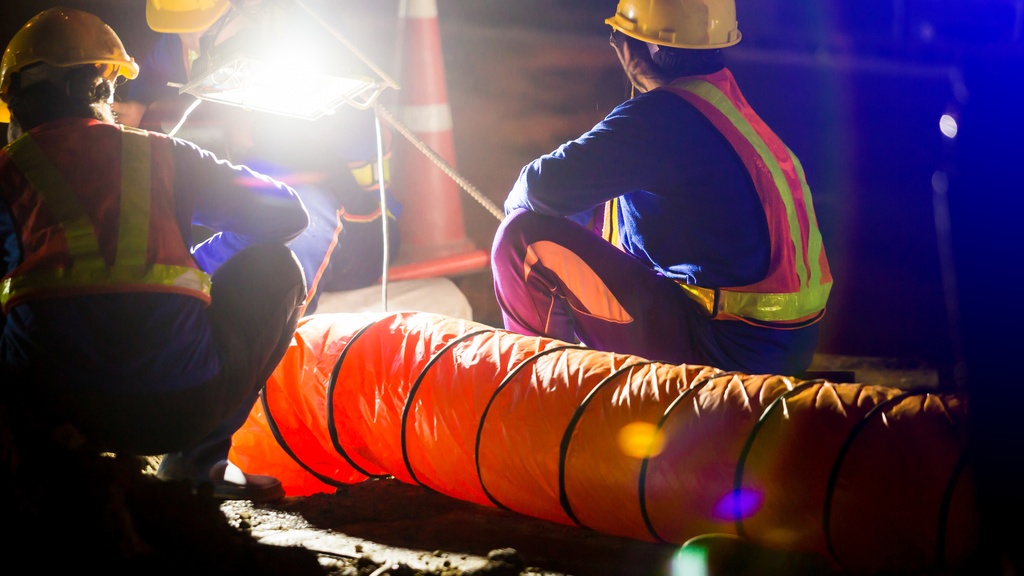
Overnight outdoor work plays an important role in many industries, from roadway maintenance and utility repairs to construction projects and emergency response efforts. Working after dark can minimize disruptions to daytime traffic and business activity, but it also introduces challenges that require thoughtful planning and oversight.
Reduced visibility, worker fatigue, changing weather conditions, and communication difficulties can all increase risks if they are not properly managed. For supervisors and employers, successful operations depend on implementing best practices for managing overnight outdoor work crews.
Start With Thorough Pre-Shift Planning
Effective overnight operations begin long before workers arrive on-site. Supervisors should carefully evaluate the work area, identify potential hazards, and develop a clear plan for how the work will be completed. Conditions that may seem manageable during daylight hours can become significantly more hazardous after sunset, particularly when crews are working around traffic, heavy equipment, uneven terrain, or temporary work zones.
Pre-shift meetings are especially important for overnight crews because they establish expectations before work begins. Reviewing project goals, site conditions, safety procedures, equipment assignments, and emergency protocols ensures that everyone understands their responsibilities.
Prioritize Visibility Across the Entire Worksite
One of the biggest challenges of overnight operations is maintaining visibility across the worksite. Workers need to clearly see equipment, hazards, coworkers, and changing site conditions, while remaining visible to drivers, equipment operators, and the public.
Adequate lighting should be established before work begins. Portable light towers, task lighting, and vehicle-mounted lights can eliminate dark spots and reduce the likelihood of accidents caused by poor visibility. Lighting should be positioned carefully to avoid creating glare that may interfere with equipment operation or worker awareness.
Visibility also extends to what workers wear. Reflective and high-visibility apparel improve recognition in low-light environments, particularly when employees are working near traffic, moving equipment, or active roadways. Factors like worksite lighting, weather conditions, and garment design all affect visibility performance, which is why many employers evaluate whether items such as reflective hoodies provide adequate protection for night work when selecting safety apparel for their crews.
Address Fatigue Before It Becomes a Safety Problem
Fatigue is one of the most significant concerns associated with overnight work. The human body is naturally inclined toward sleeping during nighttime hours, which can make it more difficult for workers to maintain alertness and concentration throughout an overnight shift. Even experienced employees may experience slower reaction times, reduced situational awareness, and diminished decision-making abilities when fatigue sets in.
Beyond managing fatigue, effective coordination and visibility are paramount for any mobile operations occurring outdoors, particularly when they involve moving vehicles or personnel across diverse locations. This is especially true for outdoor advertising mobiles, where safety and operational efficiency require careful planning for routes, visibility, and crew support throughout deployment.
Employers can reduce fatigue-related risks by creating realistic schedules, limiting overtime, and ensuring workers have adequate opportunities to rest between shifts. Regular breaks, hydration, and access to nutritious food can also help workers maintain energy levels during long overnight assignments. Supervisors should remain attentive to signs of fatigue, including frequent mistakes, slowed performance, irritability, or difficulty focusing, and address concerns before they contribute to workplace incidents.
Strengthen Communication Systems
Communication becomes increasingly important when crews are working outdoors at night. Limited visibility, larger work areas, and environmental noise can make it harder for workers to stay connected and respond quickly to changing conditions. Establishing reliable communication systems ensures that workers can report hazards, request assistance, and receive important updates without delay.
Before work begins, supervisors should confirm that radios, mobile devices, and other communication tools are functioning properly. Employees should understand which communication channels to use and who to contact in the event of an emergency. Regular check-ins throughout the shift can help supervisors monitor progress and identify potential problems before they escalate.
Prepare for Weather and Environmental Conditions
Outdoor crews often face weather conditions that can complicate overnight operations. Humidity, fog, rain, and rapidly changing temperatures can affect visibility, worker comfort, and overall site safety. Because these conditions can become more difficult to manage after dark, preparation is essential.
Supervisors should monitor weather forecasts before and during each shift and establish procedures for responding to adverse conditions. Workers should have access to appropriate protective clothing and equipment based on the forecast—in some situations, additional lighting or modified work procedures may be necessary to maintain safe operating conditions. Taking a proactive approach to weather planning reduces disruptions while protecting workers from avoidable hazards.
Maintain Equipment and Conduct Regular Inspections
Reliable equipment is critical to the success of any overnight operation. Equipment failures that occur during nighttime hours create significant safety risks and lead to costly delays. For that reason, inspections should be completed before each shift begins.
Lighting systems, backup alarms, batteries, tires, hydraulic components, and fuel levels should all be checked regularly, and any issues identified during inspections should be addressed promptly. Workers should also be encouraged to report equipment concerns as soon as they arise. A strong preventive maintenance program makes sure that tools and machinery remain dependable when crews need them most.
Foster a Strong Safety Culture
Successful overnight operations depend on more than procedures and equipment. They also require a workplace culture that consistently prioritizes safety. Employees should feel comfortable reporting hazards, raising concerns, and asking questions without fear of criticism or retaliation.
Supervisors play a key role in shaping this culture by leading by example and reinforcing safe work practices throughout every shift. Regular safety discussions, ongoing training, and prompt responses to reported concerns strengthen employee engagement and improve hazard awareness. When workers actively participate in safety efforts, organizations are better equipped to prevent incidents.
Use Realistic Scheduling and Staffing Practices
Proper staffing is another important factor in managing overnight outdoor work crews effectively. Overnight shifts can be physically and mentally demanding, and insufficient staffing can place unnecessary strain on workers. When crews are understaffed, employees may be required to work longer hours or perform multiple roles, increasing the risk of fatigue and mistakes.
Whenever possible, schedules should be designed to promote consistency. Frequent transitions between day and night shifts can disrupt sleep patterns and make it more difficult for employees to adjust to their work schedules. By maintaining realistic staffing levels and providing workers with adequate recovery time, employers support employee well-being and operational performance.
Final Thoughts
Managing overnight outdoor work crews requires a thoughtful balance between operational efficiency and worker safety. Challenges like reduced visibility, fatigue, weather conditions, and communication barriers can increase risks, but they can also be effectively managed through preparation and oversight. By investing in strong planning processes, maintaining reliable equipment, supporting worker well-being, and fostering a culture of safety, employers create work environments where crews can perform effectively while protecting themselves and those around them.