Key Stages of the Wastewater Treatment Process
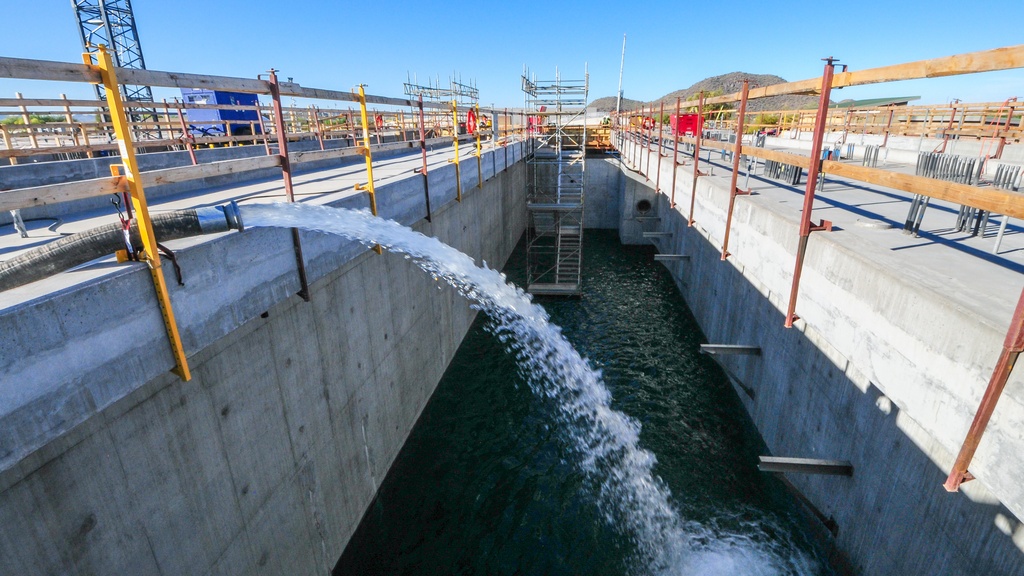
Wastewater treatment may not come up in everyday conversation, but it affects daily life in every community. Water from home sinks, showers, toilets, laundry rooms, restaurants, schools, and local businesses needs careful treatment before it can return to the environment.
Treatment plants handle that job through a series of steps that remove trash, solids, organic waste, nutrients, and harmful microorganisms. The wastewater treatment process keeps local waterways cleaner and helps protect public health.
For coastal and urban communities, this work connects directly to beaches, neighborhoods, storm drains, and long-term infrastructure planning. A basic understanding of the key stages of wastewater treatment makes it easier to see why plant maintenance and system upgrades matter.
Collection and Conveyance
Wastewater first travels through a network of underground sewer pipes. These pipes move used water from homes and businesses toward a treatment plant where the cleaning process can begin.
Gravity handles much of this movement when pipes slope in the right direction. Pump stations help move wastewater through flat areas or across sections where the flow must rise. This collection system needs regular maintenance because clogs can cause backups and service problems. Grease, roots, wipes, and debris can all create trouble before wastewater ever reaches the plant.
Preliminary Treatment
When wastewater reaches the plant, the first job involves removing large objects and gritty materials. This early stage protects pumps, valves, tanks, and other equipment from damage.
Screens catch large, discarded items and organic debris. Operators remove this material so it does not clog equipment or slow down later treatment stages. Grit chambers handle heavier materials that could grind down equipment if they stay in the flow.
Common items removed during preliminary treatment include:
- Wipes and paper products
- Plastic wrappers
- Sticks and leaves
- Sand and gravel
- Food scraps
- Small stones
Preliminary treatment does not make the water clean enough for release. It simply clears out the worst debris so the rest of the system can work properly.
Primary Treatment
After screening and grit removal, wastewater moves into large settling tanks. These tanks give heavier solids time to sink and give lighter materials time to rise. The solids that settle at the bottom become primary sludge. Skimmers remove grease and floating material from the surface.
Primary treatment makes the next stages easier by reducing the amount of material still in the water. It also helps the biological treatment stage work with a more manageable flow. This stage relies on time, tank design, and steady operating conditions.
Secondary Treatment
Secondary treatment handles much of the remaining organic waste in the water. This stage uses helpful microorganisms that consume waste under controlled conditions. Many plants use aeration basins during this step. These basins add oxygen to support the bacteria that break down organic material.
The water and microorganisms then move into secondary clarifiers. Solids settle out while clearer water continues to the next stage. Some of the settled material returns to the aeration basins. This keeps enough active microorganisms in the system to treat incoming wastewater.
Operators monitor oxygen levels, flow rates, sludge age, and water quality throughout this stage. These adjustments help the plant handle changes in daily use and weather.
Nutrient Removal
Many treatment plants also focus on nutrients such as nitrogen and phosphorus. These nutrients can cause algae growth when too much reaches local water sources. Some plants remove nutrients through special treatment zones with different oxygen levels. These zones support bacteria that target nitrogen and help reduce the amount left in the water.
Nutrient control matters most in areas connected to sensitive waterways. It helps protect aquatic life and supports cleaner recreational water.
Tertiary Treatment
Tertiary treatment adds another level of cleaning after primary and secondary treatment. Plants use this stage when they need higher water quality or when local rules require tighter limits.
Filtration plays a major role here. Sand filters, cloth filters, and membrane systems can remove fine particles that earlier stages did not capture. Some facilities also use activated carbon or advanced chemical treatment. These tools can improve clarity and help address certain remaining contaminants.
Tertiary treatment can also support water reuse. Treated water may serve irrigation, industrial use, or other approved non-drinking purposes. The exact setup depends on the plant and the water quality goals. It also depends on the location where the treated water will go next.
Wastewater Disinfection
Disinfection reduces harmful microorganisms before treated water leaves the plant. This step helps protect people and wildlife. Plants may use chlorine, ultraviolet light, or ozone for disinfection. Each method comes with different equipment needs and operating concerns.
Chlorine can work very well when operators manage the dose carefully. Some plants must also remove leftover chlorine before discharge to protect aquatic life.
Ultraviolet systems use light to inactivate microorganisms. These systems work best when the water has already gone through strong solids removal.
Ozone can also disinfect water and help with some odor concerns. It requires careful operation and specialized equipment.
Disinfection works best near the end of treatment. Earlier stages must remove solids and organic material so disinfection can do its job.
Odor Control and Plant Maintenance
Wastewater treatment plants also need to manage odor and keep equipment in good shape. Good operations reduce odors around tanks and chemical storage spaces.
Ventilation systems can capture foul air from key areas. Treatment equipment then removes odor compounds before air leaves the facility. Maintenance crews inspect pumps, tanks, valves, liners, sensors, and electrical systems. These routine checks help plants avoid avoidable breakdowns and emergency repairs.
Storage areas also need attention because treatment plants often store chemicals and process liquids. Facility teams should know why secondary containment testing matters when planning inspections around storage areas and liner systems. Reliable maintenance keeps the plant ready for changing conditions. It also helps the facility meet discharge limits during busy periods and wet weather.
Final Discharge or Reuse
After treatment and disinfection, the cleaned water leaves the facility. Many plants discharge treated water to rivers, bays, oceans, or other approved locations.
That water must meet permit limits before discharge. These limits help protect water quality and reduce harm to local ecosystems. Some communities reuse treated water instead of sending all of it away. Reclaimed water can support irrigation, industrial processes, or other approved non-drinking uses.
Reuse programs require careful planning and oversight. Local rules determine where reclaimed water can go and how clean it must be. Final discharge or reuse marks the end of the treatment plant process. It also shows how plant performance connects to public health and local water quality.
Why the Process Matters Locally
Wastewater treatment protects communities by reducing pollutants and harmful microorganisms. It also supports cleaner beaches, harbors, wetlands, and neighborhood waterways.
Residents can help by keeping grease, wipes, chemicals, and medications out of drains. Small choices at home can reduce stress on sewer systems and treatment equipment. This is why it’s so important for all community members to understand the steps of the wastewater treatment process.
The process may stay mostly out of sight, but its value shows up every day. Cleaner water and safer communities depend on each stage working as intended.