Maintenance Tips To Keep Your Heavy-Duty Machinery Active
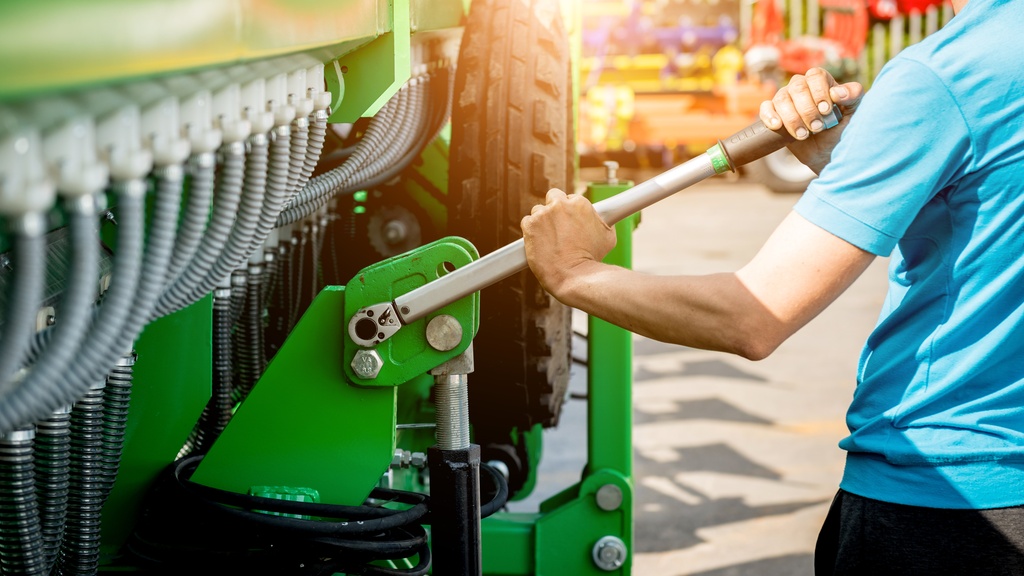
Heavy-duty machinery supports demanding work across construction and industrial sites that rely on consistent performance under pressure each day. Equipment failure leads to lost time and reduced productivity that affects operations that depend on reliable mechanical systems. Proper care ensures machines stay dependable across years of use under tough environmental and operational conditions.
Owners who commit to these maintenance tips to keep heavy-duty machinery active, protect their investments and avoid unexpected repairs that disrupt operational efficiency. Attention to detail in care routines improves performance and extends equipment life across various applications that require strength and durability.
Regular Inspection Practices
Routine inspections help detect early signs of wear or misalignment that could lead to serious mechanical failures over time. Operators must examine visible components such as belts, seals, hoses, and connections to ensure everything remains secure and functional. Consistent inspection schedules allow teams to address minor concerns before they escalate into expensive repair situations or unexpected equipment failure.
Visual checks also reveal fluid leaks or structural stress that signal underlying issues within the machinery system. These observations provide valuable insight into machine condition and help prevent operational disruptions that affect productivity across work sites. A well-planned inspection routine builds confidence in equipment performance and supports safe and efficient operation throughout demanding tasks.
Cleanliness and Debris Control
Clean machines operate more efficiently and experience fewer issues related to contamination or overheating during demanding operational cycles. Dirt and debris can accumulate quickly and interfere with moving parts or restrict airflow within important system components. Regular cleaning helps preserve mechanical integrity and ensures that equipment functions at optimal levels across all tasks.
Operators should remove buildup from filters and ventilation areas to maintain proper airflow and prevent excessive internal heat accumulation. Clean working conditions also improve visibility during inspections and allow faster identification of potential issues that require attention. Maintaining cleanliness supports reliable performance and reduces the likelihood of unexpected equipment malfunctions in challenging environments.
Proper Lubrication Methods
Lubrication reduces friction between moving parts and protects components from excessive wear that can shorten equipment lifespan significantly. Machines rely on proper lubrication levels to maintain smooth operation and avoid overheating during extended periods of heavy use. Neglect in this area can result in increased resistance and eventual damage to critical mechanical systems.
Understanding the importance of regularly lubricating heavy equipment will help you protect essential components from early failure. Consistent lubrication schedules ensure that all moving parts receive adequate protection and operate with minimal resistance under heavy workloads. Selecting appropriate lubricants for each machine type further improves performance and extends service life across various operating conditions.
Fluid Level Monitoring
Fluids play a vital role in machine performance and support functions such as cooling and hydraulic pressure control within systems. Low fluid levels can lead to overheating and potential damage to sensitive internal components over time. Regular checks ensure that all fluid reservoirs remain at appropriate levels for safe and effective operation.
Operators must also verify fluid quality, as contamination or degradation can reduce effectiveness and harm machinery performance significantly. Replacing fluids at recommended intervals helps maintain system balance and prevents the buildup of harmful particles within mechanical components. Consistent monitoring protects equipment from avoidable damage and supports steady performance during heavy workloads.
Scheduled Maintenance Plans
A structured maintenance plan ensures that all necessary tasks occur at appropriate intervals based on equipment usage and manufacturer recommendations. These plans help teams stay organized and prevent missed maintenance actions that could affect machine reliability and performance. Following a schedule reduces uncertainty and provides a clear framework for consistent equipment care.
Planned maintenance also allows for better resource allocation, as teams can prepare tools and parts ahead of scheduled service tasks. This organized approach minimizes downtime and supports efficient workflow across operations that depend on reliable machinery output. Consistency in maintenance planning contributes to long equipment life and dependable performance under pressure.
Component Replacement Timing
All machine parts experience wear over time and require replacement to maintain optimal function and prevent system failure during operation. Delayed replacement can lead to cascading issues that affect multiple components and increase repair costs significantly. Monitoring the part condition helps determine the right time for replacement before problems escalate.
Using high-quality replacement parts ensures compatibility and supports long-lasting performance across demanding work environments. Proper installation also plays a role in maintaining system balance and preventing additional strain on surrounding components. Timely replacement decisions contribute to consistent operation and reduce the likelihood of unexpected breakdowns.
Temperature Control Measures
Excessive heat can damage internal components and reduce machine efficiency during extended periods of heavy use across industrial environments. Effective cooling systems help regulate temperature and maintain safe operating conditions for all mechanical parts involved in equipment function. Monitoring temperature levels allows operators to respond quickly to potential overheating risks.
Regular checks of cooling systems and airflow paths ensure that heat dissipates effectively and does not accumulate within the machinery structure. Maintaining proper temperature control supports reliable performance and protects sensitive components from thermal stress and degradation. This attention to heat management enhances durability and operational stability over time.
Storage and Environmental Protection
Proper storage protects machinery from environmental factors such as moisture and extreme temperatures that can cause damage or deterioration. Covered storage areas or protective enclosures help preserve equipment condition when not in active use across work sites. Shielding machines from harsh elements reduces wear and supports readiness for future tasks.
Environmental awareness also includes proper placement and positioning to prevent unnecessary exposure to damaging conditions during operation or rest periods. These protective measures contribute to long equipment life and reduce maintenance needs caused by environmental stress. Careful storage practices ensure machines remain dependable and efficient throughout their service period.
Record Keeping and Documentation
Accurate maintenance records provide valuable insight into machine history and help track service actions, repairs, and performance patterns over time. These records support informed decisions regarding overall equipment management strategies. Organized documentation improves efficiency and reduces uncertainty in maintenance planning.
Detailed records also assist in identifying recurring issues and allow teams to address root causes rather than temporary symptoms. This data-driven approach enhances reliability and supports consistent performance across demanding operational environments. Effective documentation strengthens maintenance programs and ensures accountability across all levels of equipment care.
Maintaining heavy-duty machinery in good condition requires discipline and a commitment to consistent care across all aspects of operation and maintenance routines. Each practice contributes to improved reliability and extended equipment lifespan within demanding industrial environments. When these methods work together, they create a strong foundation for dependable machinery performance.
A structured approach ensures that machines remain active and ready to always meet operational demands. Through consistent effort and informed practices, heavy-duty machinery can deliver reliable performance for many years.