Key Things To Check Before Purchasing an Older Property
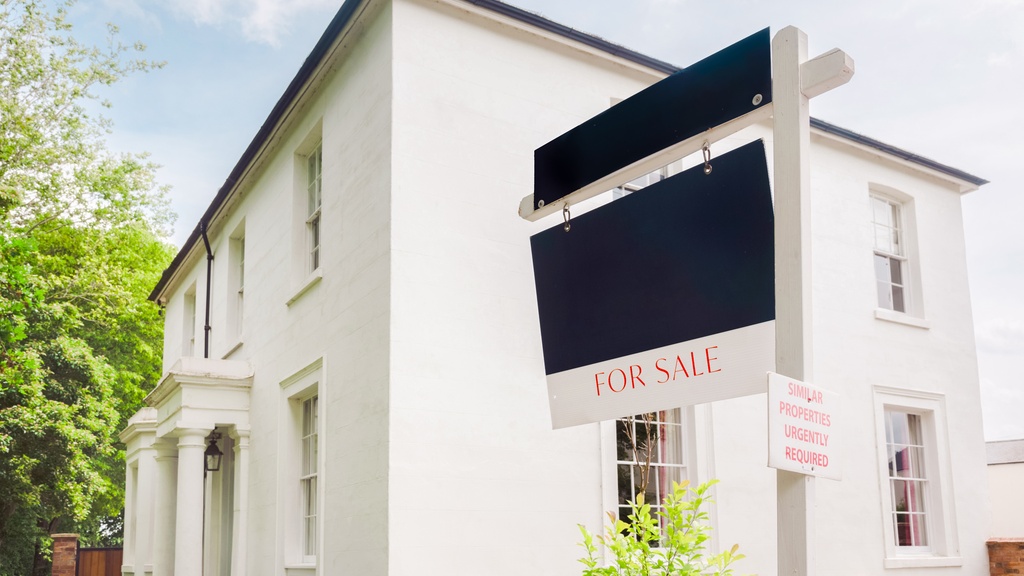
Older homes along the Mississippi Gulf Coast can offer character and access to communities with deep local history. However, it’s also important for homebuyers to perform a careful review before committing to a purchase.
Age and past repairs can shape a home’s true condition in ways that a quick showing may not reveal. Discover the key things to check before purchasing an older property so you can get the home you deserve, not a costly burden.
Start With the Home’s Structural Condition
The structure should be at the center of any older-home review because elements such as walls, floors, and the foundation affect nearly every future repair decision. Buyers should look for signs like sloping floors or cracks that widen across walls or ceilings.
These clues can point toward settlement or aging materials. On the Mississippi Gulf Coast, a qualified inspector should also review piers, crawl spaces, slab edges, and any elevated components because storm history and wet soil can leave long-lasting marks.
Look Closely at the Roof and Exterior Envelope
A home’s roof does more than keep out rain because it performs other duties, like protecting insulation and interior finishes from water intrusion. Older properties may have layered shingles, patched flashing, soft decking, aging gutters, or soffit damage.
Each of these issues can change the home’s repair timeline and insurance outlook. Buyers should also inspect siding and exterior caulking, as the Gulf Coast heat and salty air can wear down these materials faster than expected.
Review Drainage, Elevation, and Flood Exposure
Water behavior around the property warrants close attention, especially in communities near beaches and in areas with storm-prone drainage systems. Buyers should walk the lot after rain when possible, check whether the soil slopes toward the house, and inspect the downspout discharge.
Flood zone status, elevation information, and insurance requirements can affect monthly costs and future resale appeal. Buyers should treat this research as part of their property inspection rather than an afterthought.
Examine the Windows Carefully
Windows can reveal a great deal about an older home’s comfort, maintenance history, and exposure to Gulf Coast weather. Buyers should check for issues such as cracked glass, damaged screens, and gaps that allow drafts or moisture to enter.
A closer review can help determine whether the windows need simple repairs or full replacement after closing. Paying such attention can prevent you from completely draining your budget.
Review The Electrical and Plumbing Systems
Two other key things to check before purchasing an older property are its electrical and plumbing systems. These can hide some of the largest issues in an older home because wiring and pipes may have been altered over several owners and repair cycles. Buyers should ask an inspector or licensed tradesperson to evaluate aspects such as outlet condition or any signs of leaks.
It’s also wise to avoid properties that have an ungrounded electrical system. One reason why your home should have grounded electricity is that it can help keep your family safe from potential accidents. A careful review of these systems can help buyers understand whether an older home is move-in ready or requires major updates.
Assess HVAC Performance and Moisture Control
Cooling, ventilation, and moisture control matter greatly in coastal Mississippi because long warm seasons and high humidity can strain older houses. Buyers should review the HVAC system’s age and whether rooms cool evenly during normal use. They should also watch for musty odors and signs of poor attic ventilation because comfort problems can connect to moisture issues, insulation gaps, or equipment that no longer matches the home.
Ask About Past Repairs and Ownership History
A home’s repair history can reveal how well previous owners responded to routine wear. Buyers should request available insurance claim information and maintenance records to distinguish thoughtful updates from quick fixes. This background can also help an inspector focus on areas where earlier problems may recur and require additional maintenance, including drainage work and foundation adjustments.
Check for Dangerous Materials
Older homes may contain materials that create health or safety concerns, especially when buyers plan renovations after closing. For example, an inspector can help identify possible asbestos in old flooring, while lead-based paint may be present in homes built before 1978. Buyers should also ask about past testing and bring in a qualified specialist before disturbing materials that could release harmful dust or fibers.
Other hazards may include outdated insulation or moisture-damaged materials that need careful handling. Buyers should not assume these concerns make the home a poor choice, but they should understand testing costs and repair timelines before finalizing the purchase. A careful review of dangerous materials can help buyers plan safer renovations and avoid turning a manageable update into a larger health or budget concern.
Watch for Termite and Mold Concerns
Wood-destroying insects and moisture-related growth can create expensive problems in older properties, particularly when a home has crawl spaces or shaded areas. Buyers should request termite documentation when available and look for warning signs such as damaged wood or mud tubes before moving forward. A pest professional can help confirm whether the issue has been treated or is likely to return without additional repairs.
Mold concerns also warrant practical attention because they may indicate active moisture or plumbing issues. Buyers should pay attention to musty odors and stained ceiling areas, then ask whether any past water damage received professional cleanup. A careful review can help buyers understand whether the concern is minor maintenance or a larger repair that should affect negotiations.
Compare Charm Against Long-Term Ownership Costs
An older home may offer features that newer construction cannot easily match, including established neighborhoods or proximity to the beach and downtown areas. Buyers should still build a realistic ownership budget that includes items such as immediate repairs and updates that may be necessary in the next few years. When the numbers match the buyer’s plans, an older Gulf Coast property can become a rewarding home rather than a surprise-filled project.
Be Confident Before Buying a Home
Purchasing an older property requires patience, careful questioning, and help from professionals who understand both aging homes and Gulf Coast conditions. With a thorough review, a buyer can appreciate the character of an older Long Beach area home while making a more confident decision about its future value.