The Circular Economy in Modern Supply Chains
As businesses look for ways to become more efficient, sustainable, and resilient, many are rethinking the traditional “take, make, dispose” model. Instead of treating materials as single-use items, companies are embracing the circular economy in modern supply chains, a system designed to keep products, packaging, and resources in use for as long as possible. This approach helps reduce waste, conserve resources, and create new opportunities for cost savings across logistics, manufacturing, and distribution.
The circular economy offers a different perspective. Instead of viewing materials as disposable, organizations seek ways to recover, reuse, refurbish, and recycle resources. This shift creates opportunities for businesses to reduce costs while improving sustainability performance and strengthening supply chain resilience.
Extending the Life of Valuable Resources
A circular supply chain focuses on extending the life of materials. Rather than sending packaging, pallets, containers, or excess inventory directly to a landfill, businesses evaluate whether those items can be reused, repaired, resold, recycled, or repurposed. This shift is especially valuable for industries that handle large volumes of shipping materials. Even small operational changes can make a meaningful impact when multiplied across warehouses, distribution centers, and production facilities.
Many companies already possess valuable assets that can be utilized multiple times before replacement becomes necessary. Durable containers, reusable packaging systems, and recoverable materials can often remain in circulation far longer than organizations realize. By identifying opportunities to extend product and material lifespans, businesses can reduce purchasing expenses and lower their environmental footprint at the same time.
This mindset also encourages innovation. Manufacturers are increasingly designing products and packaging with durability, repairability, and recyclability in mind. As a result, materials stay in use longer, creating value across multiple stages of the supply chain.
Packaging Management as a Circular Strategy
One of the most practical examples is packaging management. Many businesses rely on bulk containers, cardboard, pallets, and protective materials to move goods safely. Once those materials have served their initial purpose, they often still have value. Companies can create internal reuse programs, partner with recyclers, or find secondary markets for durable materials.
Effective packaging management helps organizations reduce waste while improving operational efficiency. Instead of automatically disposing of used shipping materials, businesses can assess whether they can be returned to suppliers, reused internally, or sold for additional value.
Businesses that regularly handle bulk shipping containers can benefit from understanding what they should do with their used Gaylord boxes so these materials do not become unnecessary waste. Reusing or recycling large containers can help reduce disposal costs while supporting broader sustainability goals.
When multiplied across thousands of shipments each year, these efforts can have a substantial impact on both operating expenses and waste reduction initiatives.
Reducing Costs Through Reuse
The circular economy also supports better cost control. When companies reuse packaging materials, reduce disposal fees, and recover value from surplus items, they can lower operational expenses. Warehouses that track material flow often discover that waste is not just an environmental issue but also a financial one.
Every discarded item represents money spent on purchasing, storing, handling, and disposing of materials. Businesses that adopt circular principles frequently uncover hidden opportunities to save money simply by managing resources more effectively.
For example, reusable packaging programs can significantly reduce recurring purchasing costs. Similarly, repairing equipment rather than replacing it immediately can extend asset lifecycles and improve return on investment. Even small improvements can generate substantial savings over time when implemented consistently across large operations.
Beyond direct cost reductions, circular practices can also help organizations mitigate risks associated with fluctuating material prices and supply chain disruptions. By recovering and reusing materials, businesses become less dependent on constantly sourcing new resources.
The Role of Technology
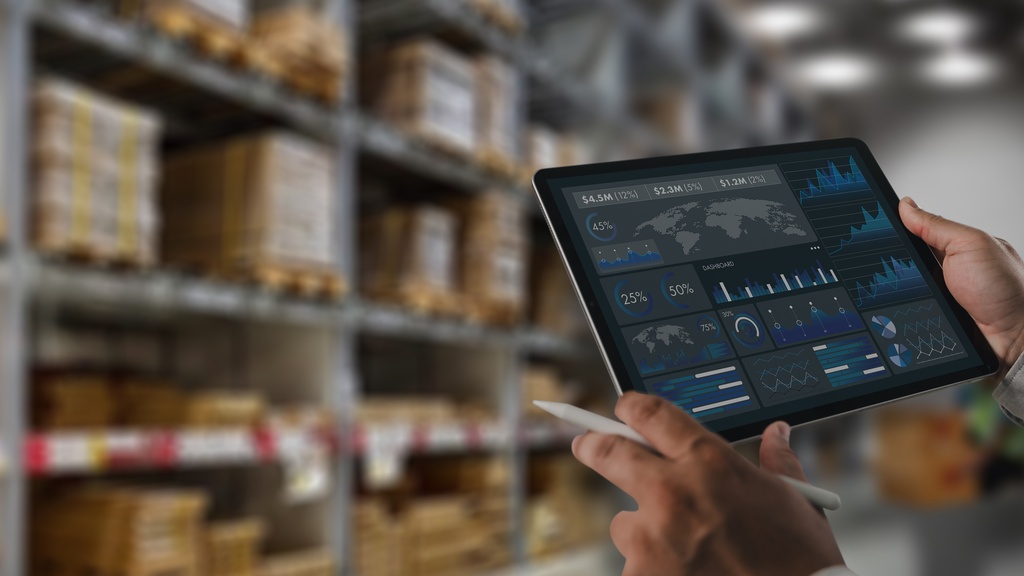
Technology is playing an increasingly important role in supporting circular supply chains. Inventory management systems, tracking tools, and data analytics can help businesses identify where waste occurs and which materials are most often discarded.
Advanced technologies provide visibility into material flows throughout the supply chain. With better data, companies can make smarter purchasing decisions, reduce over-ordering, and identify opportunities for reuse and recovery. This information allows businesses to optimize resource utilization while minimizing waste.
Internet of Things (IoT) devices and tracking systems are also helping organizations monitor reusable assets such as containers, pallets, and transport packaging. By knowing where materials are located and how frequently they are being used, companies can improve asset recovery rates and reduce losses.
Artificial intelligence and predictive analytics further support circular strategies by identifying patterns that contribute to waste. These tools help businesses anticipate demand more accurately, reducing excess inventory and preventing unnecessary disposal of products and materials.
Building Strong Supplier Partnerships
Supplier relationships are another important component of a successful circular economy strategy. Businesses that want to build more circular supply chains should collaborate with vendors that prioritize recyclable packaging, durable materials, and responsible sourcing practices.
Strong partnerships create opportunities for shared sustainability initiatives. Suppliers and customers can work together to reduce packaging waste, develop reusable shipping systems, and improve material recovery processes. These collaborative efforts often lead to operational efficiencies that benefit all parties involved.
Additionally, businesses may choose to incorporate sustainability criteria into supplier selection processes. Evaluating vendors based on their environmental practices can encourage greater adoption of circular principles throughout the supply chain network.
When organizations align their goals with those of their suppliers, they create a more integrated and sustainable ecosystem that supports long-term growth.
Encouraging Employee Participation
Employee participation is another key factor in the success of circular initiatives. A circular model only works when teams understand how to sort, store, reuse, and recover materials properly.
Training programs can help warehouse personnel, production staff, and operations teams recognize opportunities to reduce waste and maximize resource utilization. Employees who understand the value of circular practices are more likely to support sustainability goals and contribute ideas for continuous improvement.
Simple measures can make a significant difference. Designated storage areas for reusable materials, clear recycling procedures, and standardized handling processes help ensure that valuable resources remain in circulation rather than being discarded prematurely.
Organizations that actively engage employees often discover innovative solutions that improve efficiency while supporting environmental objectives.
The Future of Circular Supply Chains
As regulatory requirements evolve and stakeholders place greater emphasis on sustainability, circular supply chains are likely to become increasingly important. Customers, investors, and business partners are paying closer attention to how organizations manage resources and address environmental challenges.
Businesses that adopt circular principles today may be better positioned to respond to future market demands. They can reduce waste, lower costs, strengthen resilience, and enhance their reputation among customers and partners alike.
In many ways, the circular economy represents a shift from short-term consumption toward long-term value creation. Instead of focusing solely on moving products from one point to another, organizations consider the entire lifecycle of materials and assets.
A circular approach to modern supply chains helps businesses make better use of resources while supporting both economic and environmental goals. By treating materials as valuable assets rather than disposable items, organizations can build more resilient, efficient, and sustainable supply chains that create lasting benefits for years to come.