How To Prevent Sun Damage on Athletic Fields
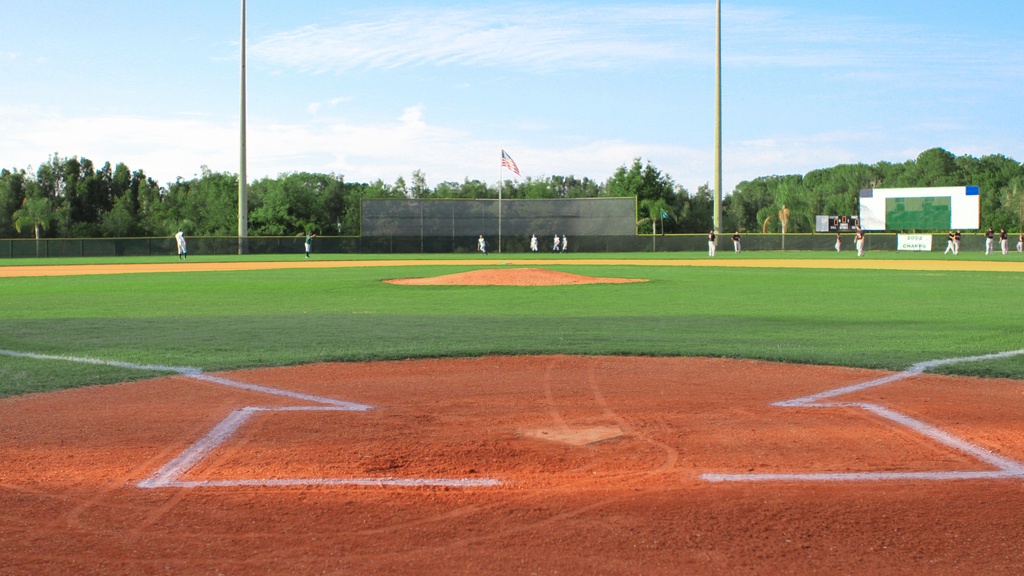
Sunshine brings energy to every athletic field. It helps grass grow, keeps game days bright, and gives players the open-air setting they love. But too much sun can wear down a field faster than many people expect. Heat, UV rays, dry air, and heavy foot traffic all work together to stress turf, fade materials, harden surfaces, and create uneven playing conditions.
Field managers, coaches, school staff, and facility owners can protect outdoor spaces with smart habits and consistent maintenance. You don’t need to overhaul the entire field to reduce sun damage. You need a thoughtful routine that supports the surface before heat and UV exposure create bigger problems. Here’s how to prevent sun damage on athletic fields.
Know the Risk
Sun damage doesn’t always show up overnight. It builds slowly. Grass may lose color, thin out, or develop dry patches. Synthetic turf may fade, stiffen, or heat up fast during peak daylight hours. Painted lines can lose sharpness. Bleachers, padding, nets, and other field accessories can crack or weaken after long exposure.
The biggest challenge comes from repetition. A field that faces direct sun for hours every day takes a steady hit. Add practices, games, mowing, cleaning, and seasonal weather shifts, and the surface can struggle to recover.
Start by walking the field at different times of day. Notice which zones get the longest sun exposure. Look for dry spots, faded sections, compacted soil, brittle materials, or areas that heat up faster than others. Those small observations help you plan better care.
Build a Watering Plan
Natural grass needs consistent watering during hot, sunny weather. Shallow watering may freshen the surface for a short time, but deep watering encourages stronger roots. Strong roots help grass handle heat, recover after play, and stay greener during dry stretches.
Water early in the morning when temperatures run cooler. Morning watering gives grass time to absorb moisture before the sun gets intense. It also helps reduce excess moisture that can sit overnight and invite turf problems.
Avoid watering during the hottest part of the day. The sun can evaporate water quickly, which wastes resources and leaves the grass thirsty. If your field has an irrigation system, inspect sprinkler heads often. One blocked or misaligned head can create a dry patch that grows larger over time.
Keep Turf Healthy
Grass handles sunlight better when you support its overall health. Mowing height plays a big role. If you cut grass too short, the blades expose more soil to direct heat. Taller grass shades the soil, helps retain moisture, and protects roots from stress.
Set mowing height based on the type of turfgrass on the field. During periods of high heat, raise the mower slightly to give the grass more protection. Sharp mower blades also help. Dull blades tear grass, and torn grass loses moisture faster.
Fertilization can help, but heavy feeding during extreme heat can stress grass. Use a seasonal plan that fits the field’s grass type, climate, and level of play. Healthy turf needs balance, not constant pushing.
Aeration also helps fields fight sun stress. Compacted soil blocks water and air from reaching roots. When you aerate, roots gain better access to moisture and nutrients. That support helps grass bounce back after hot days and busy game schedules.
Manage Field Traffic
Heavy use can make sun damage worse. Athletes run, cut, slide, and stop in the same high-use areas again and again. Goal mouths, sidelines, midfield zones, and dugout entrances often show wear first. When those areas also sit in direct sun, turf breaks down faster.
Rotate practices when possible. Move drills across different parts of the field instead of using the same zone every day. Shift portable goals and training equipment to spread wear. Give damaged sections rest before they turn into bare ground.
For game fields, limit unnecessary activity before and after events. Warmups, team gatherings, and casual foot traffic can add stress. Simple scheduling choices can extend the life of the surface.
Add Shade When You Can
You can’t cover every athletic field with shade, but you can reduce exposure in key areas. Team benches, equipment zones, scorer tables, training stations, and spectator areas often need extra protection. Shade structures, canopies, and covered seating can protect people and materials from UV exposure.
For field surfaces, temporary covers can help during especially hot stretches or when areas need recovery time. Consider UV-resistant tarps for outdoor fields when you need to shield specific sections from harsh sun. Use them correctly so the surface still gets airflow and doesn’t trap excess heat or moisture for too long.
Shade planning also protects equipment. Store portable goals, pads, cones, nets, and sideline markers out of direct sun when no one uses them. UV exposure can make plastic brittle, fade fabric, and weaken straps or seams. Good storage habits save money and keep gear safer for athletes.
Protect Synthetic Turf
Synthetic turf needs sun protection, too. It won’t dry out like natural grass, but UV rays can fade fibers and weaken materials over time. Hot weather can also raise surface temperatures and make play uncomfortable.
Routine grooming keeps synthetic fibers upright and helps infill spread evenly. When infill shifts or compacts, the surface can feel harder and heat unevenly. Regular brushing, debris removal, and infill checks help the field perform better under strong sun.
Some facilities use cooling systems or scheduled water misting before play. That approach can lower surface heat for a limited time. Focus on timing and field conditions so you don’t create slick spots.
Check seams, logos, painted areas, and high-use zones often. Sun and play can stress these sections. Early repairs prevent small issues from growing into costly field problems.
Care for Lines and Markings
Sunlight can fade field markings, especially on busy outdoor fields. Faded lines frustrate players, officials, and coaches. They can also make a field look neglected even when the surface performs well.
Use paints and marking products designed for outdoor athletic use. Match the product to the surface. Natural grass, synthetic turf, clay, and asphalt all need different approaches.
Schedule line inspections before games and events. Touch up faded markings before they create confusion. Store paint and marking tools away from heat and direct sun so the products work as intended.
Watch Hard Surfaces
Track lanes, tennis courts, basketball courts, and other hard athletic surfaces also face sun damage. UV rays can fade coatings, dry out surfaces, and make cracks worse. Heat can expand materials during the day, while cooler nighttime temperatures can cause contraction. That cycle can widen small cracks.
Clean hard surfaces regularly so dirt, leaves, and debris don’t trap moisture or heat. Inspect cracks and worn coatings before each season. Quick repairs help prevent surface breakdown and reduce safety risks.
Resurfacing schedules depend on use, climate, and material quality. Don’t wait until the surface looks rough from every angle. Plan maintenance when early signs appear, and you’ll usually spend less than you would on major repairs.
Choose Durable Materials
Every field has accessories that face the sun. Windscreens, padding, seating, fencing covers, banners, storage boxes, and scoreboards all need durable materials. UV-resistant fabrics, coatings, and plastics hold up better outdoors.
When you replace field materials, look beyond the lowest price. A cheaper item may fade, crack, or tear faster under strong sunlight. Durable materials often cost more upfront, but they reduce replacement work and help the field look professional longer.
Pay attention to color, too. Dark materials can absorb more heat, while lighter materials may show dirt faster. Choose products that fit the field’s climate, use, and appearance goals.
Time Maintenance Wisely
The best field maintenance plan works with the sun, not against it. Schedule mowing, grooming, painting, repairs, and inspections during cooler parts of the day when possible. Workers stay safer, equipment performs better, and the field avoids extra stress.
During heat waves, adjust expectations. Natural grass may need more recovery time. Synthetic turf may need extra temperature checks. Hard surfaces may need closer crack inspections. Field care works best when you respond to conditions instead of following the same routine every week.
Communication helps, too. Coaches, players, and maintenance teams should understand when a field needs rest or restricted use. A closed section may feel inconvenient for one practice, but that choice can protect the field for an entire season.
Plan for Long-Term Care
Sun damage prevention works best when you treat it as an ongoing plan. Seasonal inspections, irrigation checks, surface repairs, equipment storage, and material upgrades all play a role. Each task supports the next one.
Keep simple records of dry spots, repairs, watering changes, resurfacing dates, and high-use areas. Those notes help you spot patterns. You may notice one sideline fades faster, one goal area thins every summer, or one section of synthetic turf heats up more than the rest. With that knowledge, you can act sooner.
Keep Fields Game Ready
Athletic fields need steady attention to stand up to sun, heat, and constant play. When you water natural turf correctly, rotate traffic, add shade where possible, protect equipment, and choose durable materials, you help the entire space last longer.
Preventing sun damage on athletic fields also supports safer, better-looking surfaces for athletes and spectators. A well-kept field shows care before the first whistle, pitch, serve, or kickoff. With the right routine, your outdoor field can handle sunny days and stay ready for the next big game.