Tips for Improving Visibility on Construction Sites
Construction sites stay busy from the first truck arrival until the last piece of equipment heads home. Workers, cranes, forklifts, trucks, and pedestrians all share the same space, so clear visibility deserves attention from day one. If your crew wants safer job conditions and smoother project flow, the right habits can go a long way. Remember all these tips for improving visibility on construction sites to help crews cut down on confusion and create a more organized work environment.
Keep the Job Site Organized
A cluttered construction site creates more than frustration. Materials stacked in random locations, scattered tools, and leftover debris block sightlines and force equipment operators to work around unnecessary obstacles. A clean layout gives everyone a better view of vehicles, coworkers, and changing site conditions. It also helps deliveries move through the project with fewer delays.
Storage areas deserve careful planning before work begins. Lumber, pipe, concrete barriers, and steel should stay in designated spaces instead of wherever room appears. Clear travel paths reduce congestion and allow equipment operators to focus on the task ahead instead of dodging obstacles. Daily housekeeping also pays off. A few minutes spent clearing debris at the end of each shift creates a much safer environment for the following day.
Choose High-Visibility Clothing
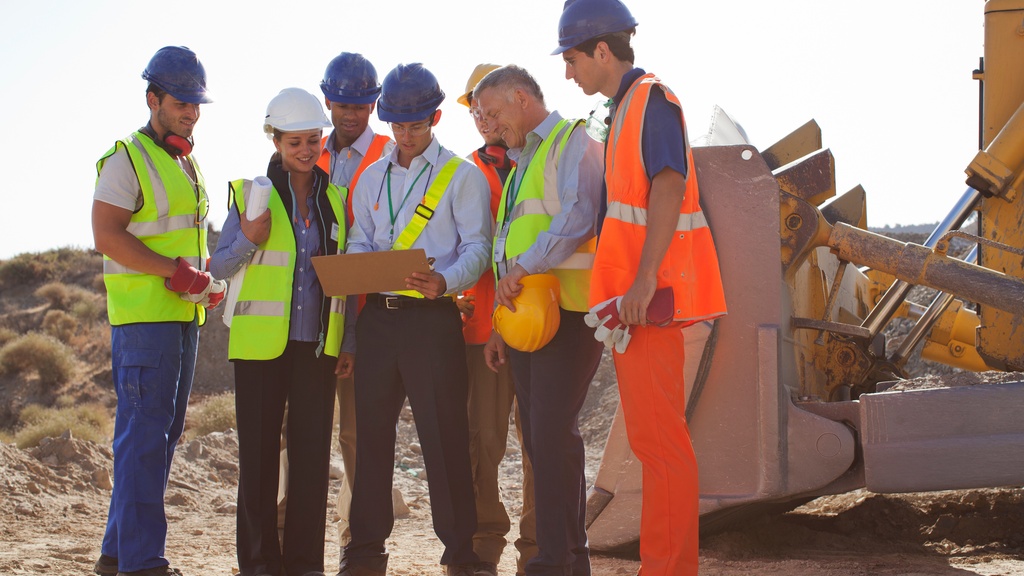
Personal protective equipment does far more than satisfy job site requirements. Bright safety vests and reflective clothing allow equipment operators to spot workers from much greater distances, especially during low-light conditions. Construction projects don’t stop because of cloudy skies or early morning starts. Reflective strips catch headlights and work lights long before workers become difficult to see.
Bright orange and lime-green colors also stand out against dirt piles, steel beams, and concrete structures. Clothing should remain clean enough to stay visible. Mud-covered reflective gear loses much of its value, so replacement or cleaning should become part of routine site maintenance.
Improve Job Site Lighting
Natural daylight changes throughout the workday. Early mornings, cloudy afternoons, and shorter winter days create darker conditions that reduce visibility across the site. Temporary lighting towers provide coverage for large work zones. Portable lights also help illuminate excavation areas, crane setups, storage yards, and loading zones.
Good lighting allows workers to identify hazards before they become dangerous situations. Maintenance matters, too. Burned-out bulbs, damaged light towers, and poorly positioned fixtures create dark pockets that deserve immediate attention.
Establish Clear Traffic Routes
Construction sites become chaotic when trucks, cranes, loaders, and pedestrians travel without defined paths. Dedicated travel lanes reduce confusion and allow everyone to anticipate vehicle movement. Clearly marked entrance and exit points also help delivery drivers enter the project without unnecessary delays.
Painted lines, cones, barricades, and signage all contribute to a more predictable traffic pattern. Spotters gain better visibility when equipment follows consistent routes. Operators will gain confidence because fewer unexpected obstacles appear throughout the day.
Reduce Blind Spots Around Equipment
Large equipment comes with unavoidable blind spots. Crane operators, excavator operators, and truck drivers cannot see every corner of their machines from the cab. Knowing the differences between rough terrain and truck cranes is important because they both impact operator visibility.
Spotters help bridge that gap. Positioned in safe locations, trained signal personnel guide operators through tight spaces and crowded work areas. Standard hand signals or radio communication allow everyone to stay on the same page. Equipment cameras and proximity sensors also provide another layer of awareness. Technology never replaces attentive operators, but it certainly adds valuable information before movement begins.
Keep Communication Consistent
Visibility extends beyond eyesight. Clear communication allows crews to anticipate equipment movement before it happens. Every worker should understand standard hand signals, radio procedures, and site communication expectations. Confusion disappears when everyone follows the same process. Morning safety meetings provide another opportunity to discuss deliveries, crane lifts, restricted zones, and changing site conditions. Those conversations prepare crews before work starts instead of after problems develop.
Use Proper Signage Throughout the Site
Signs provide guidance long before workers approach hazardous areas. Directional signs, speed limits, restricted access notices, and overhead lift warnings all contribute to better awareness. Signs should remain large enough to read from a reasonable distance. Bright colors and simple wording help workers absorb information quickly without slowing production. Damaged signs deserve replacement right away. Faded lettering or broken panels lose their value when visibility becomes poor.
Manage Dust, Weather, and Environmental Conditions
Construction sites face changing weather almost every day. Dust clouds, heavy rain, snow, and fog all reduce visibility for operators and ground crews. Dust suppression techniques help keep sightlines open. Water trucks, sweeping equipment, and designated haul roads all reduce airborne debris across active work areas.
Weather conditions may also require schedule adjustments. Crane lifts, material deliveries, or equipment movement sometimes need a short delay until visibility improves. A brief pause protects workers far better than rushing through poor conditions.
Schedule Deliveries Carefully
One essential tip for improving visibility on construction sites is to strategically schedule any deliveries. Large delivery trucks consume valuable space on active construction sites. Several deliveries at the same time create congestion and increase the chance of blocked sightlines.
Staggered delivery schedules reduce traffic and give operators more room to maneuver. Drivers also spend less time waiting for unloading areas to become available.
Project managers benefit from better coordination, and crews avoid unnecessary distractions during busy work periods.
Maintain Equipment for Better Visibility
Dirty windshields, broken mirrors, worn windshield wipers, and damaged cameras limit an operator’s ability to see nearby hazards. Routine inspections help identify these problems before equipment reaches the work zone. Clean glass improves visibility immediately, especially during rain or dusty conditions. Lights deserve equal attention. Functional headlights, work lights, warning beacons, and backup lights allow operators to remain visible throughout the day.
Plan Crane Operations Accurately
Crane lifts demand excellent visibility from everyone involved. Operators, signal persons, riggers, and nearby workers all depend on clear sightlines during every phase of the lift. Lift plans establish equipment locations, travel paths, exclusion zones, and communication procedures before work begins. That preparation reduces confusion once the crane arrives.
Better visibility allows crews to spot hazards earlier, move equipment with greater confidence, and keep work progressing without unnecessary interruptions. Small improvements throughout the site create safer conditions for everyone involved from the first day until project completion. Rely on all the tips above to maintain a smooth, stress-free jobsite workflow.