10 Things Everyone Should Know How To Do for Their Car
Cars make daily life possible along the Mississippi Gulf Coast. They carry people to work, school, grocery stores, ball fields, beach roads, and weekend trips across town. For Long Beach residents, a dependable vehicle matters even more when summer heat, sudden rain, salt air, and hurricane season all converge to add extra wear.
No driver needs to become a mechanic to take better care of a vehicle. Still, everyone should know a few practical skills. In this guide, we’ll outline the basic things everyone should know how to do for their car.
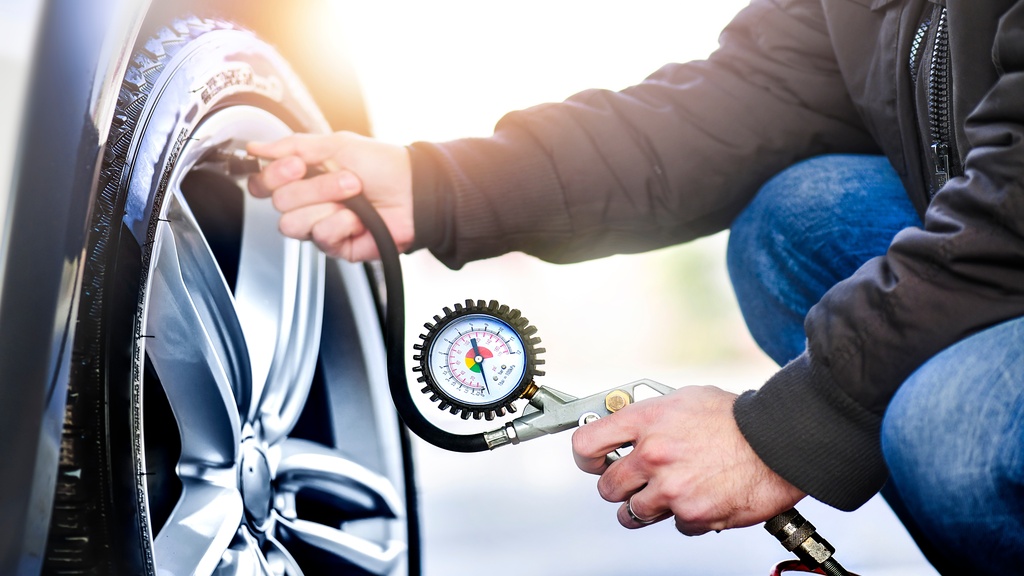
1. Check Tire Pressure
Tire pressure affects fuel use, steering, braking, and tire life. When tires run low, they create extra friction on the road and wear faster. When they run too high, they can ride rougher and make less even contact with the pavement. Either problem can make a vehicle harder to control, especially during a fast-moving Gulf Coast rainstorm.
Drivers should check tire pressure when the tires are cold, either before a long drive or after parking the car for several hours. The correct pressure usually appears on a sticker inside the driver’s door, not on the tire sidewall. A simple pressure gauge gives a quick reading, and most gas stations have an air pump nearby that gives a more accurate measurement.
2. Measure Tire Tread Depth
Tread helps tires grip the road and move water away from the contact patch. Worn tread can make wet roads more dangerous, and local drivers know how quickly a clear day can turn into hard rain along Highway 90 or I-10. A tire that looks acceptable at a glance may still need closer attention.
There are many ways to measure your tire tread depth, from using a coin to a tread depth gauge or looking at the tread wear bars. Checking several spots across each tire also helps reveal uneven wear that may point to alignment, pressure, or suspension issues.
3. Read the Dashboard Warning Lights
A dashboard warning light gives a driver an early signal that the vehicle needs attention. Some lights, such as a loose gas cap warning or low washer fluid indicator, may not require immediate service. Others, such as an oil pressure light, brake warning, battery light, or flashing check engine light, deserve faster action.
Every driver should keep the owner’s manual in the glove compartment or know how to find the digital version. The manual explains each symbol and tells the driver whether to stop, schedule service, or monitor the issue.
4. Check the Engine Oil
Another thing everyone should know how to do for their car is check the engine oil. This oil protects moving parts from heat and friction. When oil gets too low or too dirty, the engine works harder and may suffer serious damage.
Most vehicles use a dipstick under the hood. The driver should park on level ground, wait for the engine to cool, pull the dipstick, wipe it clean, reinsert it fully, and pull it again to read the level. Oil should sit between the marked lines.
5. Replace Windshield Wipers
Clear visibility matters on the Gulf Coast, where rain can arrive fast and fall heavily. Worn wipers streak, chatter, skip, or leave blurry patches across the windshield. Those signs mean the rubber has hardened, torn, or lost its edge.
Most wiper blades clip on and off without tools. Drivers should match the correct blade length for each side of the windshield, lift the wiper arm carefully, release the old blade, and lock the new one into place.
6. Refill Washer Fluid and Coolant Safely
Washer fluid keeps bugs, salt mist, dust, and road grime from blocking a driver’s view. The reservoir usually has a cap with a windshield symbol, and drivers can refill it with premixed washer fluid. Plain water may seem convenient, but washer fluid works better against grime and helps keep the system cleaner.
Coolant requires more care. Drivers should never open a hot radiator cap, because the pressurized system can release scalding fluid. Instead, they should let the engine cool and check the coolant reservoir level against the marked lines.
7. Change a Flat Tire or Use the Tire Kit
A flat tire can happen in a parking lot, on a neighborhood street, or on the shoulder of a busy road. Every driver should know whether the vehicle has a spare tire, jack, lug wrench, sealant kit, inflator, or run-flat tires. Many newer vehicles no longer include a traditional spare, so checking the trunk or cargo area before trouble happens is a smart move.
When a tire fails, safety comes first. Drivers should move away from traffic, turn on hazard lights, set the parking brake, and place the vehicle on firm, level ground when possible. Anyone who does not feel safe changing a tire should call roadside assistance rather than risk injury near moving traffic.
8. Jump-Start a Dead Battery
Heat can shorten battery life, and Mississippi summers give car batteries plenty of stress. A slow start, clicking sound, dim lights, or frequent trouble after short trips may point to a weak battery.
Drivers should connect jumper cables carefully, usually positive to the dead battery’s positive terminal, positive to the helper battery’s positive terminal, negative to the helper battery’s negative terminal, and the final negative clamp to an unpainted metal ground on the disabled vehicle. The owner’s manual should guide the process, since some vehicles use remote jump points instead of direct battery access.
9. Replace Basic Lights
Headlights, brake lights, reverse lights, and turn signals help other drivers understand what a vehicle is doing. A bulb failure reduces visibility and can create a safety issue at night, in fog, or during heavy rain.
Drivers can replace many bulbs from behind the light housing, though access varies by model. Drivers should identify the correct bulb number, avoid touching glass bulbs with bare fingers, and test the light before closing everything up. If the housing requires bumper removal or special tools, a repair shop can handle the job quickly.
10. Build and Use an Emergency Kit
A small emergency kit can make a roadside delay safer and less stressful. Gulf Coast drivers should think beyond the basics because heat, storms, and evacuation traffic can all change a routine drive. A useful kit may include water, a flashlight, gloves, jumper cables, a tire pressure gauge, reflective triangles, a phone charger, a first aid kit, and copies of important contact numbers.
Drivers should also know how to use the items they carry. Reflective triangles need placement far enough behind the vehicle to warn approaching traffic. A flashlight needs working batteries. Good preparation turns an emergency kit from trunk clutter into real support.
Car Care Starts With Awareness
The most useful car skills start with observation. Drivers who notice new sounds, unusual smells, vibrations, fluid spots, tire wear, dim lights, or delayed starts can respond before the problem gets worse.
Learning basic car maintenance does not require special training. It requires attention, a few simple tools, and the willingness to check small things before they create bigger trouble. For Long Beach and Mississippi Gulf Coast drivers, that knowledge can make everyday driving safer, calmer, and more dependable.