The Essential Components of an HVAC System
A comfortable building doesn’t happen by accident. Your HVAC system works behind the scenes every day to manage temperature, humidity, airflow, and indoor air quality. When every part does its job, rooms feel comfortable, air moves properly, and the system runs without constant attention.
Many homeowners and building owners only think about HVAC equipment when something goes wrong. A strange noise, weak airflow, uneven temperatures, or rising energy bills can all point to a problem inside the system. Once you understand the core components, you can make smarter maintenance decisions and have better conversations with HVAC professionals.
Let’s break down the essential components of an HVAC system.
The Thermostat
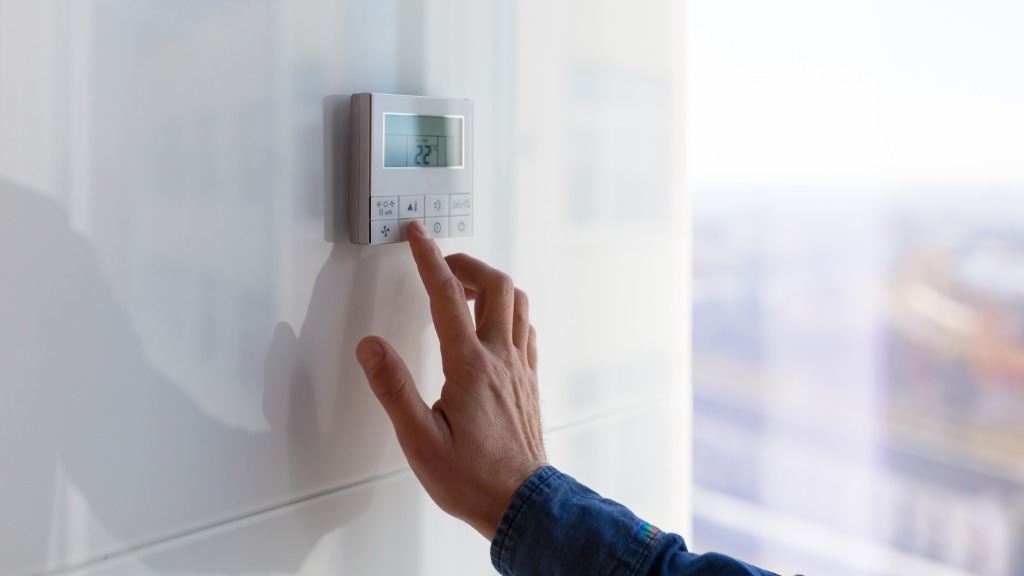
The thermostat acts as the command center for your HVAC system. You set the temperature, and the thermostat signals the system when to heat, cool, or stop running. A basic thermostat handles simple temperature control, while a programmable or smart thermostat can adjust settings throughout the day.
Good thermostat placement makes a big difference. A thermostat near a sunny window, exterior door, kitchen, or supply vent may read the room inaccurately. That poor reading can make the system cycle too often or not often enough. When the thermostat sits in a central area away from direct heat or drafts, it can give the system clearer instructions.
The Furnace
The furnace provides heat in many residential and commercial HVAC systems. In gas furnaces, burners create heat inside the heat exchanger. The blower then moves air across the heated surface and sends warm air through the ductwork.
A clean, well-maintained furnace can heat spaces more evenly. Dirty burners, clogged filters, worn belts, and blower problems can reduce performance and strain the system. If a furnace struggles to start, makes loud noises, or produces weak airflow, an HVAC technician should inspect it before the issue grows.
The heat exchanger deserves special attention because it separates combustion gases from indoor air. Cracks or damage can create serious safety concerns. Regular furnace service helps technicians spot wear, clean key parts, and confirm that the system vents gases properly.
The Air Conditioner
The air conditioner removes heat from indoor air and sends that heat outside. The indoor coil absorbs heat, and the outdoor unit releases it. Refrigerant carries heat between these two areas as the system cycles.
A central air conditioner depends on steady airflow and clean coils. Dust, debris, and blocked vents can make the system work harder than necessary. When airflow drops, the indoor coil can get too cold, and the system may struggle to cool the building.
The outdoor unit also needs space around it. Leaves, grass clippings, weeds, and nearby objects can limit heat release. Homeowners can keep the area around the unit clear, but they should leave deeper cleaning, refrigerant checks, and electrical work to trained professionals.
The Heat Pump
A heat pump can heat and cool a building by moving heat instead of generating heat through combustion. During warm months, it moves heat from indoors to outdoors. During colder months, it pulls heat from outdoor air and moves it inside.
Heat pumps work especially well in many moderate climates, and newer models can handle colder conditions better than older units. They can also pair with backup heat when outdoor temperatures drop too low for efficient operation.
The Evaporator Coil
The evaporator coil sits inside the indoor portion of the system, often near the furnace or air handler. During cooling, refrigerant moves through the coil and absorbs heat from indoor air. The blower pushes air across the coil, and cooled air then travels through the ducts.
Moisture also condenses on the coil as warm air passes over it. That process helps lower humidity, which can make indoor spaces feel more comfortable. The moisture drains away through the condensate system.
The Condenser Coil
The condenser coil sits in the outdoor unit. After refrigerant absorbs heat indoors, it carries that heat outside. The condenser coil releases the heat into outdoor air with help from the condenser fan.
Because the condenser coil sits outside, it faces dirt, pollen, leaves, grass, and weather. When debris covers the coil, the air conditioner or heat pump has to work harder to release heat. That extra strain can raise energy use and shorten equipment life.
The Compressor
The compressor plays one of the most important roles in cooling and heat pump operation. It pressurizes refrigerant and moves it through the system. Without the compressor, refrigerant can’t carry heat between the indoor and outdoor coils.
Because the compressor handles heavy work, it often costs more to repair or replace than many other parts. Electrical issues, dirty coils, low refrigerant, and poor airflow can all put stress on it. When a compressor fails, the system may blow warm air, trip breakers, or stop running.
The Air Handler
The air handler moves conditioned air through the building. It often contains the blower motor, blower wheel, evaporator coil, and other internal parts. In some systems, the furnace performs this job. In others, a dedicated air handler moves air for a heat pump or air conditioner.
The blower needs to move the right amount of air. Too much airflow can reduce comfort and humidity control. Too little airflow can strain equipment and leave rooms feeling stuffy. Dirty filters, blocked ducts, worn motors, and clogged coils can all reduce airflow.
Variable-speed air handlers can adjust airflow more precisely than single-speed models. That control can improve comfort, support humidity management, and reduce loud on-and-off cycling.
The Ductwork
Ductwork carries heated or cooled air to rooms throughout the building. Supply ducts deliver conditioned air, while return ducts pull air back to the HVAC system for another cycle.
Leaky, undersized, or poorly designed ducts can waste energy and create uneven temperatures. A room at the end of a long duct run may stay too hot or too cold if airflow can’t reach it properly. Gaps or loose connections can also pull dusty air from attics, crawl spaces, or wall cavities.
The Refrigerant Lines
Refrigerant lines connect the indoor and outdoor parts of an air conditioner or heat pump. One line carries refrigerant in vapor form, and the other carries refrigerant in liquid form. Together, they move heat through the system.
Damaged insulation, leaks, kinks, or poor installation can interfere with performance. Low refrigerant usually points to a leak, not normal use. A technician should find and repair the leak before adding more refrigerant.
The Drain Line
The drain line removes condensation from the indoor coil. During cooling season, your system can pull a large amount of moisture from indoor air. The condensate pan collects that water, and the drain line carries it away.
A clogged drain line can cause water leaks, musty odors, system shutoffs, and damage around the indoor unit. Algae, dust, and debris often cause clogs. Many systems include a safety switch that shuts the equipment off when water backs up.
Valves and Solenoids
HVAC systems use valves to direct the movement of refrigerant, gas, and water. Some valves regulate pressure, while others open and close to control flow. Heat pumps use a reversing valve to switch between heating and cooling modes.
Solenoids are a critical part of HVAC control systems because they use electrical signals to open or close valves at the right time. A solenoid valve can help manage refrigerant flow, humidifier water flow, or other controlled processes inside the system.
When a valve or solenoid fails, the system may lose control over temperature, pressure, or flow. A technician can test electrical signals, inspect valve movement, and replace faulty parts when needed.
The Whole System
An HVAC system works best when all components support one another. Regular maintenance helps your system run with fewer surprises. Filter changes, coil cleaning, drain checks, electrical inspections, and airflow testing can all improve performance. Clear communication with an HVAC professional also helps you understand which repairs need quick action and which upgrades can wait.
Comfort depends on more than one machine. It comes from a complete system that handles heat, air, moisture, controls, and distribution with precision. When you know the essential components, you can spot warning signs earlier, ask better questions, and keep your indoor spaces more comfortable through every season.