Consumer Trends: Convenience in Everyday Purchases
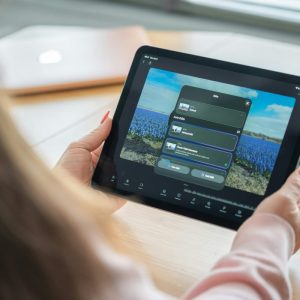
Shopping now fits into almost any part of your day. You can order dinner while finishing work, restock household essentials from your sofa, or have something you need delivered without making a trip to the shops. A few taps on your phone can take care of what used to require time, planning and a journey out of the house.
That expectation of convenience is changing how we shop and how businesses serve us. On-demand delivery, mobile shopping, and specialized online retailers have made it easier to find what you need, even when the product or service isn’t available nearby. The rest of this article looks at how that shift has taken shape, from the rise of on-demand services and changing shopping habits to the growing role of niche retailers and what convenience could look like in the future.
The Rise of On-Demand Services
Not long ago, running out of milk meant a trip to the store. Forgetting a birthday gift sent you rushing to the mall. Today, a smartphone app solves these minor annoyances. The explosion of on-demand services has completely changed how we handle daily needs. Companies built on the promise of immediate delivery have become household names, bringing everything from gourmet meals and groceries to laundry service and car rides right to us.
This change reflects a deeper shift in how we value our time. Instead of fitting our schedules around errands, we now expect services to fit into our lives. Research into the domestication of on-demand services shows how these platforms have become part of our daily routines, almost like another utility. What started as a novelty for city professionals has become a common expectation for many consumers. Outsourcing small tasks gives us a sense of control and frees up mental energy for more important things, like spending time with family, focusing on work, or just relaxing. This has created a powerful cycle: the more we use these services, the more essential they feel.
That has also changed how people weigh the cost of a purchase. Paying a little more can feel worthwhile when it saves a trip, cuts down on planning, or gives you back an hour in an already busy day. Convenience has become part of the value consumers consider when deciding how and where to buy.
How Technology Shapes Shopping Habits
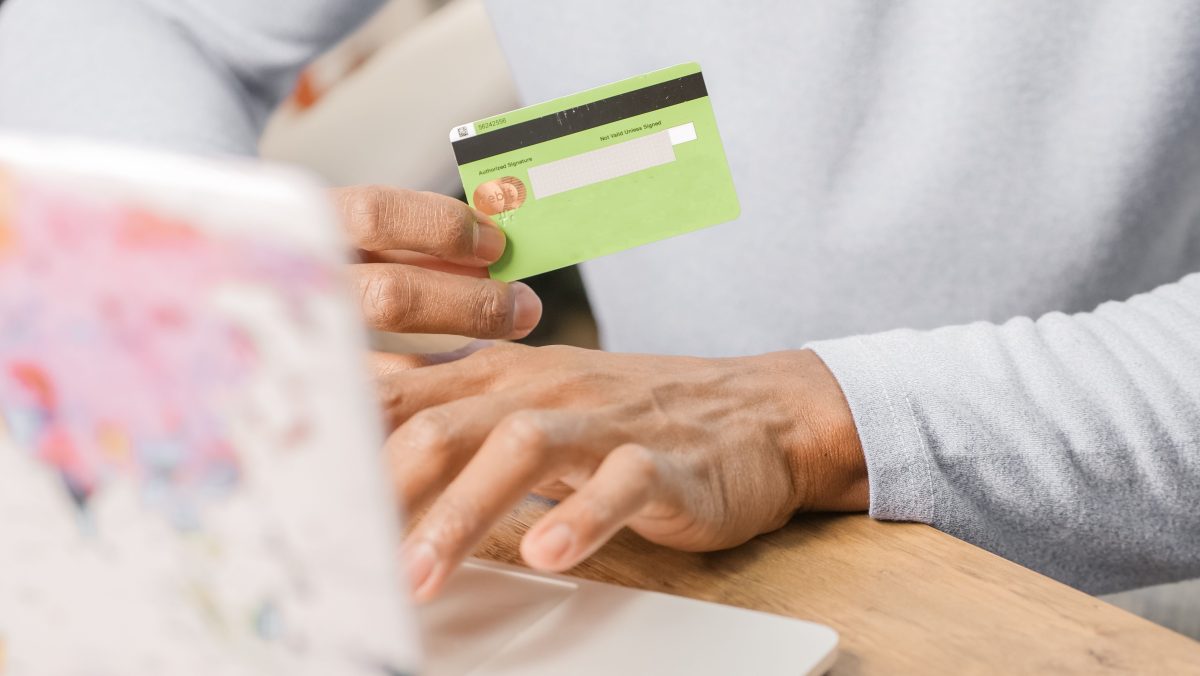
Technology drives this convenience revolution. It’s the smooth app interface, the personalised algorithm, and the one-click checkout that make on-demand buying feel so easy. Retail strategies for selling home decor (https://www.longbeachbreeze.com/2026/02/03/retail-strategies-for-selling-home-decor/) also show how reducing the number of steps and decisions a customer has to make can help secure a sale. Every saved password, pre-filled address, and intuitive search bar shortens the path from wanting something to buying it.
Mobile commerce is at the heart of this change. Our phones are always with us, which makes them the perfect tool for both spontaneous and planned purchases. Retailers use sophisticated data analysis to understand your habits, predict what you’ll need, and show you tempting offers at just the right moment. This level of personalization makes shopping feel less like a chore and more like a tailored experience. Subscription models take this even further by automating recurring purchases, ensuring you never run out of coffee, pet food, or vitamins. In this new economy, convenience has become a form of consumer currency. Customers are willing to trade loyalty and data for an easy experience.
Meeting Niche Needs Online
While big-box stores and grocery delivery services get a lot of attention, one of e-commerce’s biggest impacts is its ability to serve niche markets. Before the internet, finding specialized products often meant sifting through catalogs or driving to specialty stores that might be far away or not even exist. Today, online marketplaces connect buyers with sellers of everything imaginable, from rare collectibles and artisanal foods to specific parts for a hobby project. This digital shift has been a lifeline for consumers with unique needs and tastes.
The internet removes geographic barriers, allowing small, specialised businesses to reach customers across the country or even the world. Someone looking for vegan leather-making supplies, for example, can now find multiple dedicated suppliers with a simple search. The same applies to retailers serving more specific consumer interests, where a business such as canadasmokeshop.is can reach customers beyond its immediate local market. This model thrives because it gives niche businesses a way to connect with people who already know what they are looking for, while giving shoppers more choice without requiring a trip to a specialist store. A recent emphasis on convenience is clear across all consumer groups, proving that ease of access is a universal desire, whether you’re buying everyday groceries or a hard-to-find hobby item.
The Future of Retail and Accessibility

The demand for convenience shows no signs of slowing down. In fact, it’s speeding up, pushing retailers to innovate even faster. The future of shopping will likely involve even more automation and personalization. Imagine a smart refrigerator that not only tells you when you’re low on milk but automatically adds it to your next grocery order based on how much you usually use. Companies are already experimenting with drone and robot delivery to make fulfillment even quicker and more efficient.
This trend has created what analysts call a “convenience premium,” where consumers are increasingly willing to pay more for services that save them time and effort. This willingness to pay extra is fueling investment in logistics, AI, and user experience design. But the benefits of this evolution go beyond just saving time. For people with mobility challenges, chronic illnesses, or demanding caregiving responsibilities, on-demand services aren’t just convenient; they’re vital for independence and quality of life. Having prescriptions, groceries, and other necessities delivered directly to their door removes significant daily obstacles. As technology continues to make our world more connected and responsive, the definition of “accessible retail” will expand, ensuring more people can get what they need with dignity and ease.
The drive for convenience is reshaping our world by putting the consumer’s time and experience at the center of every transaction. This trend is pushing businesses to be more efficient and create a retail environment that’s more accessible and personalized than ever.